Ghorepani Poonhill trek- 4 days
 in TripAdvisor
Recommended by 99% of travelers
AI Overview & Key Expedition Facts
Curated by Yeti Hikes Sherpa Intelligence
To embark on this trek legally and smoothly, participants must possess a valid passport, an Annapurna Conservation Area Permit, a Trekkers Information Management System card, and standard entry documents. While this route is ideal for both novice and experienced hikers due to its moderate difficulty, completing the daily walking demands requires solid cardiovascular endurance and good general physical fitness. Trekkers should also prepare mentally for remote mountain conditions and maintain a steady pace to ensure comfortable acclimatization as they ascend to higher elevations.
Overview Of Ghorepani Poonhill trek- 4 days
- Region
- Annapurna Region
- Destination
- Nepal
- Max Altitude
- 3,210 m/10,531 ft
- Activity
- Trekking in Nepal
- Duration
- 4 days
- Group Size
- 1-10+
- Best Season
- Late Sep-Nov and Feb-May
- Accommodation
- Tea house/Lodge
- Meals
- Breakfast + Lunch + Dinner
- Transportation
- Private/Shared Vehicle
Highlights Of Ghorepani Poonhill trek- 4 days
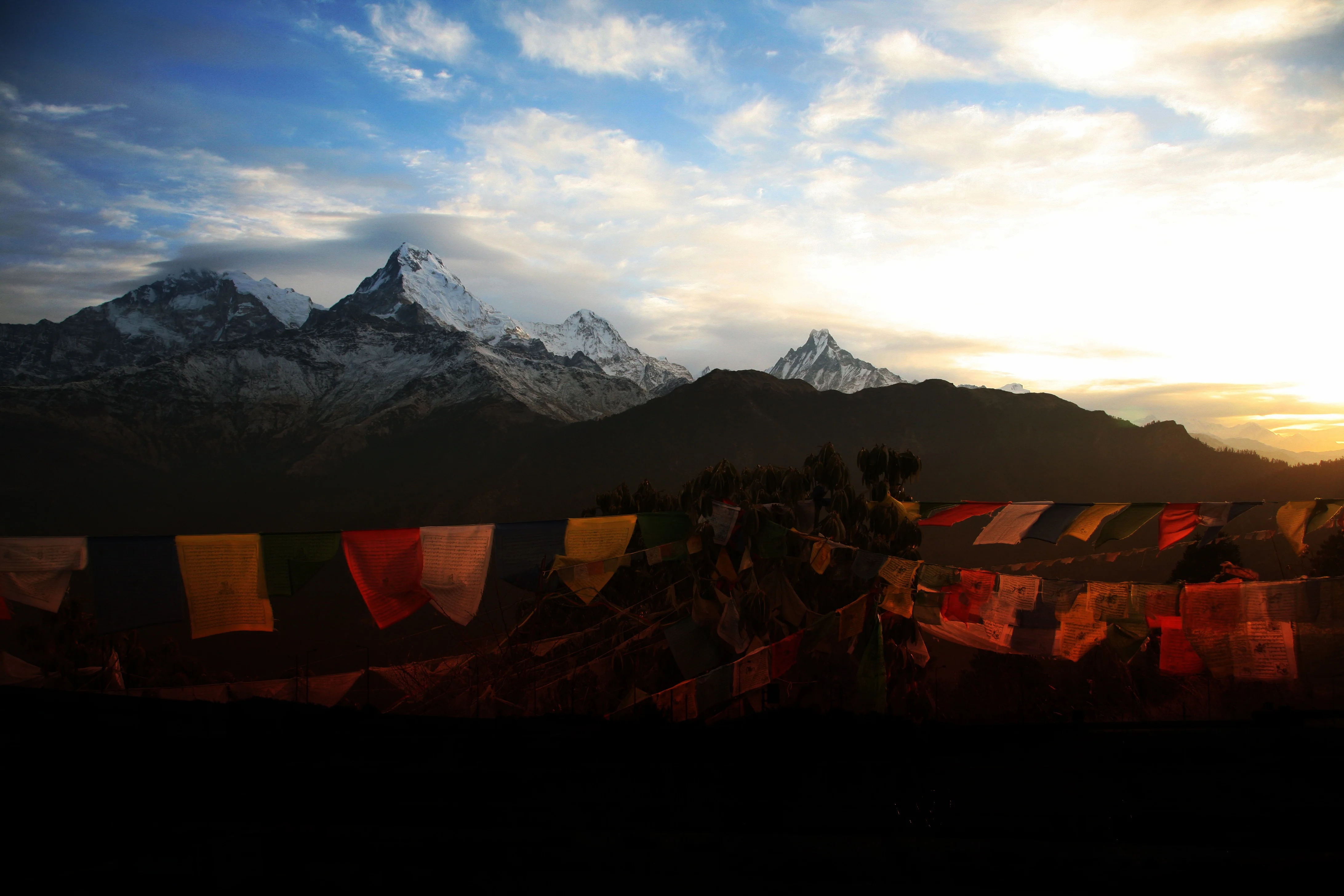
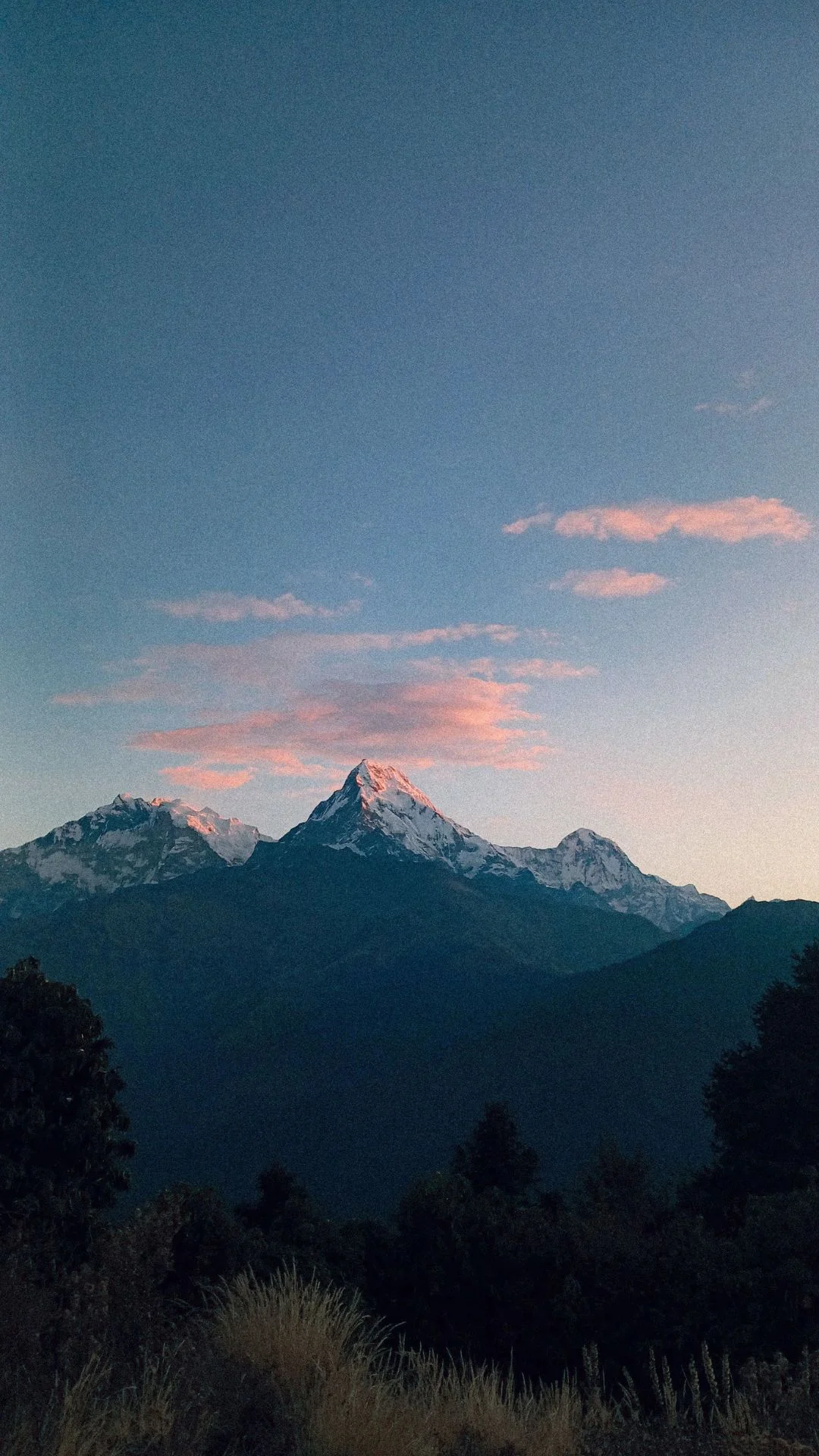
Breathtaking sunrise over Annapurna and Dhaulagiri ranges from Poon Hill.
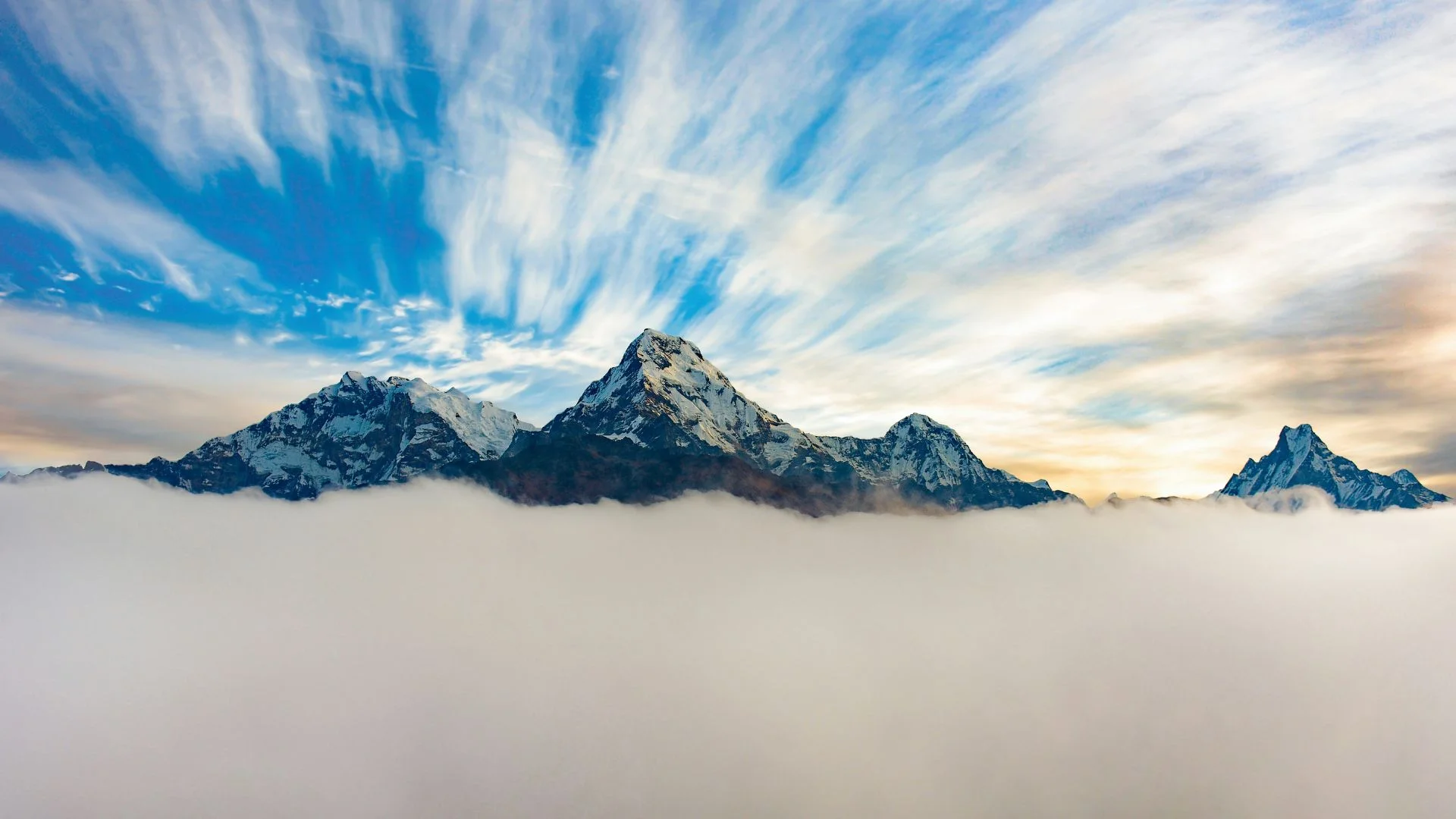
Panoramic views of Annapurna South, Machhapuchhre (Fishtail), Nilgiri, Dhaulagiri and Himchuli.
Explore the rich culture of Gurung and Magar villages like Ghorepani and Ulleri.
Trek through lush rhododendron forests, especially vibrant in spring.
A quick and accessible adventure, perfect for trekkers with limited time.
Scenic trails featuring terraced farmlands, waterfalls, and serene landscapes.
Authentic teahouse stays with warm local hospitality and traditional meals.
Family-friendly and suitable for beginners due to its moderate difficulty.
Description Of Ghorepani Poonhill trek- 4 days
Ghorepani Poon Hill is a fascinating mixture of wonderful landscapes, enriching culture, and adventure trekking in the Annapurna region of Nepal. The four-day Ghorepani Poon Hill is an ideal trek for experienced and novice trekkers. This panoramic four-day Himalayan view trekking provides views of Annapurna South, Dhaulagiri, and Machhapuchhre (Fishtail). It is considered one of the most excellent short treks in Nepal. It takes one through evergreen rhododendron forests, picturesque villages of Gurung and Magar, and terraced farmlands a trail manifesting different strands of natural beauty.
Poon Hill, lying at an altitude of 3,210 meters, forms the highlight of this trek, offering great views of sunrise over the snow-capped peaks. Ideal for those looking for a quick getaway to Nepal's mountainous region, this is one perfect, short, and unforgettable journey. This easy and worthy trekking adventure is tailored for those seeking a memorable Himalayan experience within a minimal timeframe.
How the Ghorepani Poon Hill Trek Begins and Ends
Ghorepani Poon Hill Trek begins with a very interesting drive from vibrant Pokhara via Nayapul, the entrance to this iconic trekking route. The adventure reaches a gradual ascend from Nayapul through picturesque villages, lush terraced farmlands, and dense rhododendron forests. Passing by charming settlements, immersion into the rich culture of the Gurung and Magar communities along the way in Tikhedhunga and Ulleri is inevitable.
This is a unique and magical moment when it reaches the top of Poon Hill (3,210 meters) for an unforgettable sunrise over the ranges of Annapurna and Dhaulagiri. Having watched this grand panorama, the route goes down via beautiful forests and traditional villages to get back to Nayapul. A comfortable drive from there takes the trekkers back to Pokhara, thus bringing to a close this short yet brilliant Himalayan journey.
This is a perfect trek for those in dire need of urgency regarding Himalayan retreat amidst mesmerizing landscapes, cultural interaction, and panoramic mountain views within 4 days.
Best Time for the Ghorepani Poon Hill Trek
The Ghorepani Poon Hill Trek can be enjoyed year-round, but the best times to experience its full beauty are during the spring (March to May) and autumn (September to November) seasons.
Spring (March to May)
The forests come alive with blooming rhododendrons in vibrant red, pink, and white hues.
Clear skies offer stunning views of Annapurna, Dhaulagiri, and surrounding peaks.
Comfortable trekking temperatures, making it ideal for daytime hikes.
Autumn (September to November)
Crystal-clear weather provides spectacular mountain panoramas.
Pleasant temperatures and dry trails make trekking enjoyable.
Perfect time for photography with golden sunsets and lush post-monsoon greenery.
Winter (December to February)
Crisp air and clear skies offer great visibility of the Himalayas.
Poon Hill’s sunrise is magical, though mornings and nights can be quite cold.
Fewer crowds make it a serene trekking experience.
Monsoon (June to August)
Lush green landscapes with fewer trekkers on the trail.
Morning views can be clear, but trails may be slippery due to rain.
Best for those seeking a quiet, off-season adventure.
For the best trekking experience, plan your trip in spring or autumn, when weather conditions are most favorable, and the region’s natural beauty is at its peak.
Accommodation During the Ghorepani Poon Hill Trek
The Ghorepani Poon Hill Trek offers comfortable and budget-friendly accommodation in traditional teahouses along the route. Here’s what you can expect:
Teahouses in Tikhedhunga, Ghorepani, Tadapani, and Ghandruk:
Basic rooms with twin beds, blankets, and shared bathrooms.
In higher altitude areas like Ghorepani and Tadapani, rooms are simple but cozy, with fewer facilities.
Dining Facilities:
Most teahouses have a communal dining hall with a fireplace, providing warmth during cold evenings.
The menu typically includes local Nepali dishes like dal bhat, along with international options like pasta, noodles, and pancakes.
Electricity and Charging Points:
Available in most teahouses, though some may charge a small fee for charging electronic devices.
Wi-Fi and Connectivity:
Wi-Fi is available in many teahouses for an additional fee, though the connection may be slow in remote areas.
Hot Showers:
Hot showers are offered in most teahouses, but there is usually a nominal fee, especially in higher altitudes.
Booking and Availability:
During peak trekking seasons (spring and autumn), it’s advisable to book your trek atleast 2 days earlier so that we can book accommodation in advance to ensure availability.
The teahouses along the Ghorepani Poon Hill Trek provide a welcoming environment and are an integral part of the trekking experience, offering trekkers a chance to connect with local culture while enjoying the beautiful Himalayan surroundings.
Outline Itinerary:
Day 1: Drive from Pokhara to Nayapul, Trek to Tikhedhunga
Day 2: Trek from Tikhedhunga to Ghorepani
Day 3: Early Morning Sunrise at Poon Hill, Trek to Tadapani
Day 4: Trek from Tadapani to Ghandruk, Drive Back to Pokhara
Itinerary Of Ghorepani Poonhill trek- 4 days
On Day 1, you’ll start your adventure with a Yeti Hikes representative by driving from Pokhara to Nayapul, which takes about 1.5 to 2 hours. From Nayapul, you’ll begin your trek to Tikhedhunga, a small village at an altitude of 1,540 meters. The trek involves a gentle ascent with scenic views of the surrounding hills, passing through quaint villages and lush landscapes. After a 4-5 hour trek, you’ll reach Tikhedhunga, where you’ll stay overnight in a cozy teahouse, preparing for the next day’s journey.
After having your breakfast, on the 2nd day, you will ascend towards Ghorepani at an altitude of 2,874 m. The trek happens to be much harder as it includes steep climbs through dense forests and stone staircases. The day's trek, which spans 6-7 hours, will reward you with beautiful views of the Annapurna and Dhaulagiri ranges. Ghorepani is a popular stop for trekkers, and here you’ll find welcoming teahouses to relax and enjoy a warm meal while soaking in the stunning mountain scenery.
Day 3 starts with an early rise to catch the sunrise from Poon Hill, at 3,210 meters-one of the most famous viewpoints in the area. It takes around 45 minutes to 1 hour to reach Poon Hill, and from the top, this beautiful sunrise over the snow-capped peaks views Annapurna, Dhaulagiri, and Machapuchare-Fishtail. After viewing the panorama, you head back to Ghorepani for breakfast, and from there onwards start your trek to Tadapani. The beautiful rhododendron forests and the glimpses of magnificent mountains now and then make the 5-6 hour trek from Ghorepani to Tadapani. You stay overnight at this quiet village, which is situated at an elevation of 2,630 meters above sea level amidst natural beauty.
On Day 4, you’ll trek from Tadapani to Ghandruk, a picturesque Gurung village at an altitude of 1,940 meters. The trek from Tadapani to Ghandruk takes around 3-4 hours and is mostly downhill, passing through dense forests and offering excellent views of the Annapurna and Machapuchare peaks. After exploring Ghandruk, you’ll descend further to Syauli Bazar, where you’ll catch a drive back to Pokhara. The drive back takes around 1.5 to 2 hours to arrive, hence marking the end of your 4-day trek.
What's Included In Ghorepani Poonhill trek- 4 days
Included
Experienced well-mannered English-speaking Guide.
Accommodation in teahouses during the trek
Meals (breakfast, lunch, and dinner) during the trek
Private transportation from Pokhara to Nayapul and back
Annapurna Conservation Area Permit (ACAP)
TIMS card (Trekkers' Information Management System)
Insurance, salary, food and drink for guide
First aid kit and emergency assistance
Complimentary welcome kit (map, water bottle, etc.)
Excluded
International airfare
Travel insurance (personal)
Personal expenses (snacks, drinks, etc.)
Visa fees for Nepal
Hot drinks (tea, coffee) and extra meals in teahouses
Wi-Fi and internet charges in teahouses
Tips for guide and porter
Any other services not mentioned in the inclusions
Additional Information Of Ghorepani Poonhill trek- 4 days
Preparation, Physical Fitness, and Mental Stability for Ghorepani Poon Hill Trek
In addition to proper gear and permits, proper preparation is important for the Ghorepani Poon Hill Trek. Pack lightly but include essentials: strong trekking boots, warm clothing, a waterproof jacket, trekking poles, and a daypack. Not to mention the permits, such as the Annapurna Conservation Area Project (ACAP) and TIMS cards, which are mandatory for the trek. Lastly, and importantly, advance bookings of teahouse accommodations and transportation are highly recommended, especially in the case of trekking during the peak seasons.
The success of a trek depends much upon physical fitness. It may be properly prepared some weeks in advance of the trek through cardiovascular exercises running, cycling, and swimming will do the trick. Squats, lunges, and step-ups will strengthen your legs for uphill and downhill walking. Practicing shorter hikes with a loaded backpack also helps. Incorporate flexibility and strengthening core activities, which are part of yoga or stretching exercises. These will minimize fatigue and increase stability on uneven grounds.
Mental stability is an important concept in trekking; it can easily become mentally demanding. A positive mindset will help to press on with whatever challenges are in front of long hours of walking and bad weather. Mindfulness, meditation, and breathing exercises can be done in order to increase concentration and calmness throughout the journey. Setting realistic expectations and pacing yourself appropriately ensures a non-stressful experience. It befits an individual or group trek where communication and mutual help would be so essential in this adventure to make it successful and memorable. Coupled with adequate preparation, physical fitness, and mental resilience, the Ghorepani Poon Hill Trek will be memorable and enjoyable.
Ghorepani Poon Hill Trek: 4 Days Distance and Altitude Coverage
Day | Route | Distance | Starting Altitude | Ending Altitude | Altitude Change |
|---|---|---|---|---|---|
Day 1 | Pokhara to Nayapul (Drive) and Trek to Tikhedhunga | 10–12 km (6–7 mi) | 1,070m (Nayapul) | 1,540m (Tikhedhunga) | +470m |
Day 2 | Tikhedhunga to Ghorepani | 12–14 km (7–9 mi) | 1,540m | 2,874m | +1,334m |
Day 3 (Morning) | Ghorepani to Poon Hill and back | 3–4 km (2–2.5 mi) | 2,874m | 3,210m (Poon Hill) | +336m (ascent only) |
Day 3 (Later) | Ghorepani to Tadapani | 7–8 km (4–5 mi) | 2,874m | 2,630m | -244m |
Day 4 | Tadapani to Ghandruk and Drive to Pokhara | 8–10 km (5–6 mi) | 2,630m | 1,940m (Ghandruk) | -690m |
Total Trekking Distance: Approximately 40–50 km (25–31 miles)
This trek combines moderate distances with gradual altitude changes, making it an accessible and rewarding Himalayan experience.
Accommodation During the Ghorepani Poon Hill Trek
The Ghorepani Poon Hill Trek offers comfortable and budget-friendly accommodation in traditional teahouses along the route. Here’s what you can expect:
Teahouses in Tikhedhunga, Ghorepani, Tadapani, and Ghandruk:
Basic rooms with twin beds, blankets, and shared bathrooms.
In higher altitude areas like Ghorepani and Tadapani, rooms are simple but cozy, with fewer facilities.
Dining Facilities:
Most teahouses have a communal dining hall with a fireplace, providing warmth during cold evenings.
The menu typically includes local Nepali dishes like dal Bhat, along with international options like pasta, noodles, and pancakes.
Electricity and Charging Points:
Available in most teahouses, though some may charge a small fee for charging electronic devices.
Wi-Fi and Connectivity:
Wi-Fi is available in many teahouses for an additional fee, though the connection may be slow in remote areas.
Hot Showers:
Hot showers are offered in most teahouses, but there is usually a nominal fee, especially in higher altitudes.
Booking and Availability:
During peak trekking seasons (spring and autumn), it’s advisable to book your trek at least 2 days earlier so that we can book accommodation in advance to ensure availability.
The teahouses along the Ghorepani Poon Hill Trek provide a welcoming environment and are an integral part of the trekking experience, offering trekkers a chance to connect with local culture while enjoying the beautiful Himalayan surroundings.
Required Documents for the Ghorepani Poon Hill Trek
Before embarking on the Ghorepani Poon Hill Trek, you'll need to prepare the following documents:
Annapurna Conservation Area Permit (ACAP)
Required for: All trekkers entering the Annapurna Conservation Area.
Where to Obtain: You can get this permit at the ACAP permit counter in Pokhara or Kathmandu.
Cost: Around NPR 3,000 for foreigners.
Trekkers' Information Management System (TIMS) Card
Required for: All trekkers in Nepal.
Where to Obtain: The TIMS card is available from the Nepal Tourism Board offices in Kathmandu or Pokhara, or through trekking agencies.
Cost: Around NPR 1,000 for foreigners (NPR 100 for SAARC nationals).
Passport
Required for: Identification and official registration.
Ensure your passport is valid for at least six months from the date of arrival in Nepal.
Photocopies of Passport and Visa
You will need a photocopy of your passport and Nepal visa for registration and permit purposes.
Travel Insurance
Recommended: It is highly advisable to have travel insurance that covers trekking, emergency evacuation, and medical expenses.
Some agencies or teahouses may ask for proof of insurance.
Recent Passport-sized Photos
You may need to provide a couple of recent passport-sized photos for the ACAP and TIMS card applications.
These documents are essential for your trek and help ensure safety, proper registration, and compliance with Nepal’s trekking regulations. It's a good idea to keep both original documents and photocopies of them while on the trek.
Safety and Security on the Ghorepani Poon Hill Trek
Ghorepani Poon Hill Trek can be believed to be one of the safest and most accessible treks in Nepal, apt for all categories of trekkers: beginners, amateur, or experienced. This route is quite established and is frequently traveled by trekkers. The pathways are well-maintained, and teahouses can be found en route, offering regular human presence and help whenever needed. It reaches an altitude of 3,210 meters at Poon Hill, high but not considered high enough to cause major problems with altitude sickness. A person is supposed to similarly be aware of being cautious and taking proper rest days, keeping hydrated, and pacing oneself. Generally, the trek is safe, especially during spring seasons starting from March to May, with autumn extending from September to November when the weather is clear and mild. It is well-nigh freezing during winter months, and during monsoon season, the mud makes the way slippery. At that time, it best avoided if one is concerned about being safe.
Physical fitness plays a major role, and a good stint of being in decent shape beforehand will make it a smoother and comfortable trek. Moreover, employing one professional guide or porter provides additional safety due to his familiarity with the track and in emergent conditions can provide assistance. Basic medical facilities are available at main hubs, that is, Pokhara and Ghorepani besides emergency helicopter evacuation in case of serious issues. These communities end route are friendly and have been habituated to helping trekkers, hence making it safer for the trek. So, with proper preparation, good health and fitness, and proper safety measures, Ghorepani Poon Hill Trek provides an opportunity for a safe and rewarding adventure right within the heart of the Annapurna region.
Travel Insurance for Ghorepani Poon Hill Trek
Travel insurance is highly recommended for the Ghorepani Poon Hill Trek to ensure that you're covered in case of unforeseen circumstances during the journey. While the trek itself is considered moderate and relatively safe, having the right travel insurance can provide peace of mind and financial protection. Here’s what you should look for when choosing a travel insurance policy for this trek:
Emergency Medical Coverage
What it covers: Medical treatment, hospitalization, and doctor visits in case of illness or injury during the trek.
Why it's important: While the trek is not highly strenuous, accidents or health issues can still arise. Medical coverage ensures that you can receive treatment in local clinics or be evacuated to a better facility if necessary.
Emergency Evacuation
What it covers: Emergency evacuation via helicopter or other means to the nearest hospital in case of serious injury, altitude sickness, or other emergencies.
Why it's important: In remote areas like Ghorepani, access to medical facilities can be limited. If an emergency arises, you may need to be evacuated to a higher facility or back to Kathmandu or Pokhara. Make sure your insurance covers this essential service.
Trip Cancellation and Interruption
What it covers: Reimbursement for any non-refundable trip costs if you need to cancel or interrupt your trek due to an emergency, illness, or other covered reasons.
Why it's important: Sometimes, unforeseen situations, such as health problems or travel disruptions, may prevent you from completing your trip. Trip cancellation coverage helps recover your investment in such cases.
Lost or Stolen Belongings
What it covers: Protection for your personal belongings, including electronics, passport, cash, and trekking gear, in case they are lost or stolen during the trek.
Why it's important: While the trek is relatively safe, it's always possible to misplace or have valuables stolen. Insurance provides coverage for any such loss.
Baggage Delay
What it covers: Reimbursement for the purchase of essential items if your baggage is delayed or lost.
Why it's important: For a trek like Ghorepani Poon Hill, having your baggage delayed can impact your journey. Insurance can help with purchasing essentials like clothing and toiletries while you wait for your bags.
Personal Liability
What it covers: Coverage in case you are held responsible for injury to others or damage to property during the trek.
Why it's important: This helps protect you financially in case of an accident involving other trekkers, guides, or property along the trail.
Cover for Altitude Trekking
What it covers: Ensure your policy specifically covers trekking at altitudes up to 4,000 meters or higher, as many standard policies may exclude high-altitude activities.
Why it's important: The Ghorepani Poon Hill Trek reaches altitudes of around 3,210 meters at Poon Hill, so it’s crucial to ensure that this is included in your insurance coverage.
How to Choose the Right Travel Insurance for Ghorepani Poon Hill Trek
Compare providers: Shop around and compare insurance providers that offer coverage for trekking in Nepal, specifically the Annapurna region.
Check for altitude coverage: Ensure that the policy includes high-altitude trekking activities.
Review exclusions: Read the fine print to make sure there are no exclusions that would affect your trek, such as pre-existing medical conditions.
Consult with your agency: Some trekking agencies offer group insurance options or can recommend reputable providers.
Tipping suggestions for Ghorepani Poonhill trek
Tipping is appreciated but not mandatory; always express your kindness. It is a common practice as well; hence, you are suggested to set aside 10% to 15% of your total trek cost to support guides and porters. Consider pooling tips with your group and carrying small denominations of Nepali rupees for ease of trekking.
Gear List Of Ghorepani Poonhill trek- 4 days
Clothing
Base Layers
Thermal tops and bottoms (for warmth at night).
Moisture-wicking t-shirts (2-3, quick-dry fabric).
Lightweight trekking pants (convertible into shorts if possible).
Insulating Layers
Fleece jacket or sweater.
Insulated down jacket (for colder nights and higher altitudes).
Outer Layers
Waterproof and windproof jacket.
Waterproof pants.
Hiking Socks
Wool or synthetic socks (3-4 pairs).
Liner socks (optional, to prevent blisters).
Accessories
Hat (for sun protection).
Beanie or warm hat (for higher altitudes).
Buff or scarf (to protect against wind and dust).
Gloves (both lightweight and insulated if possible).
Footwear
Hiking Boots
Sturdy, waterproof trekking boots (well-broken-in).
Camp Shoes
Lightweight sandals or camp shoes for resting in the evenings.
Backpacks
Daypack (20-30L)
For essentials like snacks, water, and rain gear.
Duffel Bag (if using porters)
You may need a duffel for the bulk of your gear if you’re hiring porters.
Trekking Gear
Trekking Poles
Helpful for balance and reducing stress on knees.
Sleeping Bag
Rated for temperatures below freezing (around -10°C/14°F).
Water Bottles
Reusable bottles or a hydration bladder (2-3 liters capacity).
Water Purification
Tablets, drops, or a portable filter to avoid purchasing bottled water.
Headlamp
With extra batteries (essential for early starts or evening walks).
Sunglasses
UV protection to safeguard against strong sunlight at altitude.
Trekking Map and Compass
Optional, but can help you follow along with the route.
Toiletries
Sunscreen (SPF 50+)
Lip Balm (with SPF)
Toilet Paper
Wet Wipes
Hand Sanitizer
Biodegradable Soap/Shampoo
Toothbrush and Toothpaste
First Aid & Medication
Personal Medication
Bring a sufficient supply of any prescribed medications.
Basic First Aid Kit
Painkillers, blister care (like moleskin), band-aids, and antiseptic cream.
Altitude Sickness Medication
Such as acetazolamide (consult your doctor before taking).
Snacks and Energy Foods
High-Energy Snacks
Protein bars, nuts, dried fruit, chocolate, or energy gels for extra fuel on the trail.
Electronics
Camera/Phone
For capturing memories.
Portable Charger/Power Bank
Charging points may be scarce and expensive.
Spare Batteries
Cold weather can drain batteries quickly.
Miscellaneous
Money
Carry enough cash for food, charging, and tips in remote areas.
Trekking Permits and Passport Copies
Ensure you have copies of your TIMS and ACAP permits, as well as your passport.
Small Locks
For your bags.