Manaslu circuit with Tsum Valley trek: 18 days
 in TripAdvisor
Recommended by 99% of travelers
in TripAdvisor
Recommended by 99% of travelers
AI Overview & Key Expedition Facts
Curated by Yeti Hikes Sherpa Intelligence
Trekkers undertaking this remote Himalayan expedition must possess a valid passport with at least six months of validity and a Nepal tourist visa, alongside specialized government documentation. The mandatory permits required for this controlled route include the Manaslu Restricted Area Permit, the Tsum Valley Restricted Area Permit, the Manaslu Conservation Area Project permit, and the Annapurna Conservation Area Project permit. Due to the strenuous nature of the 18-day itinerary and the high altitude of the pass, participants need a high level of cardiovascular endurance, strong stamina for daily multi-hour walking demands, and robust mental resilience to cope with remote mountain conditions. Proper physical preparation through endurance training and strict adherence to a gradual acclimatization schedule are essential for a safe and successful completion of the trek.
Overview Of Manaslu circuit with Tsum Valley trek: 18 days
- Region
- Manaslu Region
- Destination
- Nepal
- Max Altitude
- 5,106 m/16,752 ft
- Activity
- Trekking in Nepal
- Duration
- 18 days
- Group Size
- 1-20+
- Best Season
- March to May /Sept to Nov
- Accommodation
- Tea house/Lodge
- Meals
- Breakfast + Lunch + Dinner
- Transportation
- Private/Shared Vehicle
Highlights Of Manaslu circuit with Tsum Valley trek: 18 days
The Manaslu with Tsum Valley Trek is a fusion of both culture and adventure and the highlights include the culturally rich Tsum Valley and the challenging Larkya La Pass (5,106m).
Sunrise Viewpoints
Chhokangparo and Nile (Tsum Valley) has a panoramic sunrise over Ganesh HImal and Boudha Himal.
Lho and Samagaon with a golden morning glow on Mount Everest and Himal Chuli.
Larkya La Pass is the unforgettable sunrise view of Himlung Himal, Kang Guru and Annapurna II.
Bimthang Valley is the beautiful sunrise viewpoint over glaciers and snow capped peaks in a tranquil alpine meadow setting.
Wildlife: Possible sightings of Himalayan Thar, Blue Sheep, Pikas, rare Snow Leopard, rich birdlife, langurs and lush biodiversity.
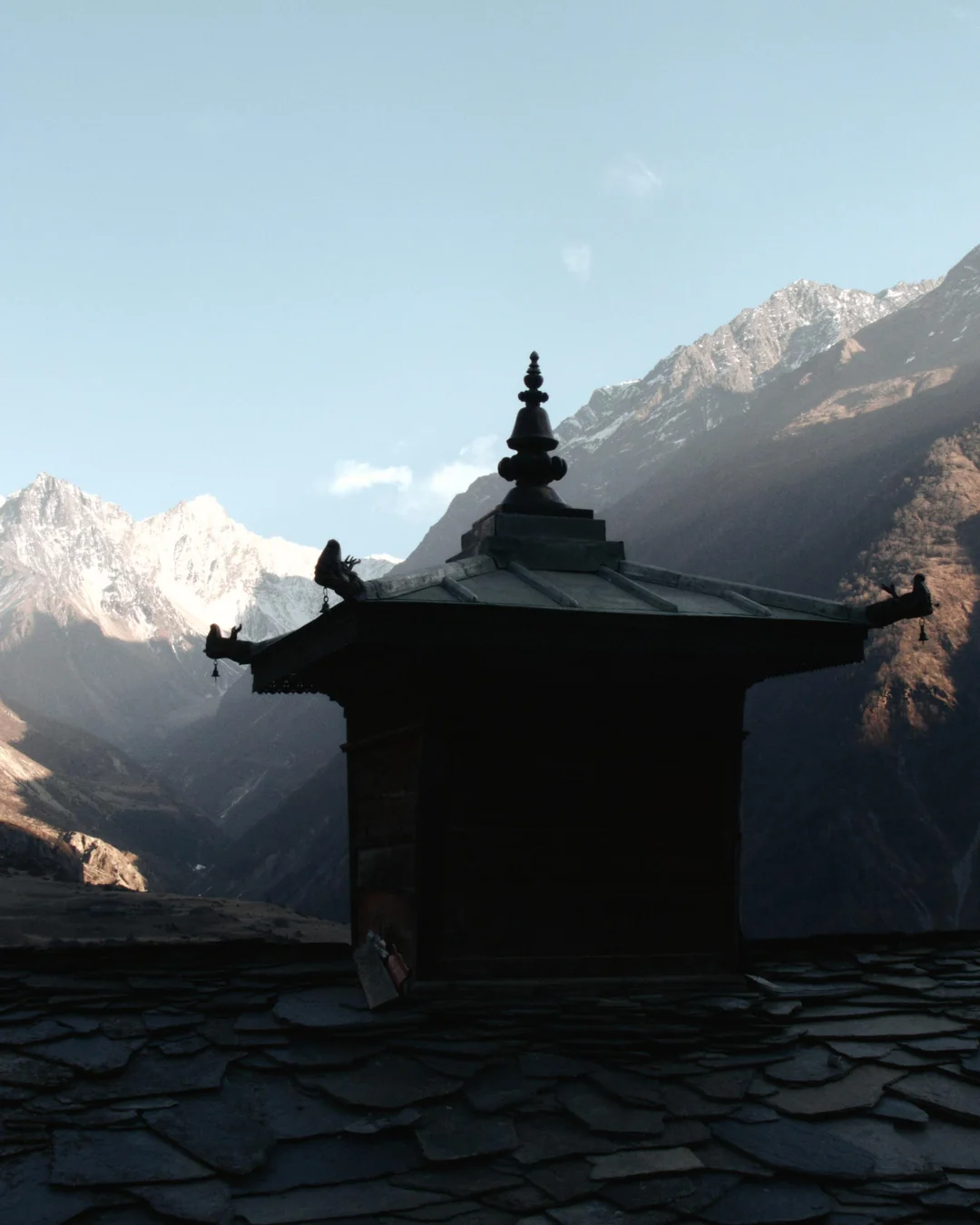
Culture: The Tsum Valley is deeply rooted in Tibetan Buddhism with ancient monasteries, mani walls, prayer flags, with traditional dress, yak herding lifestyle as well as traditional Gurung and Tamang communities.
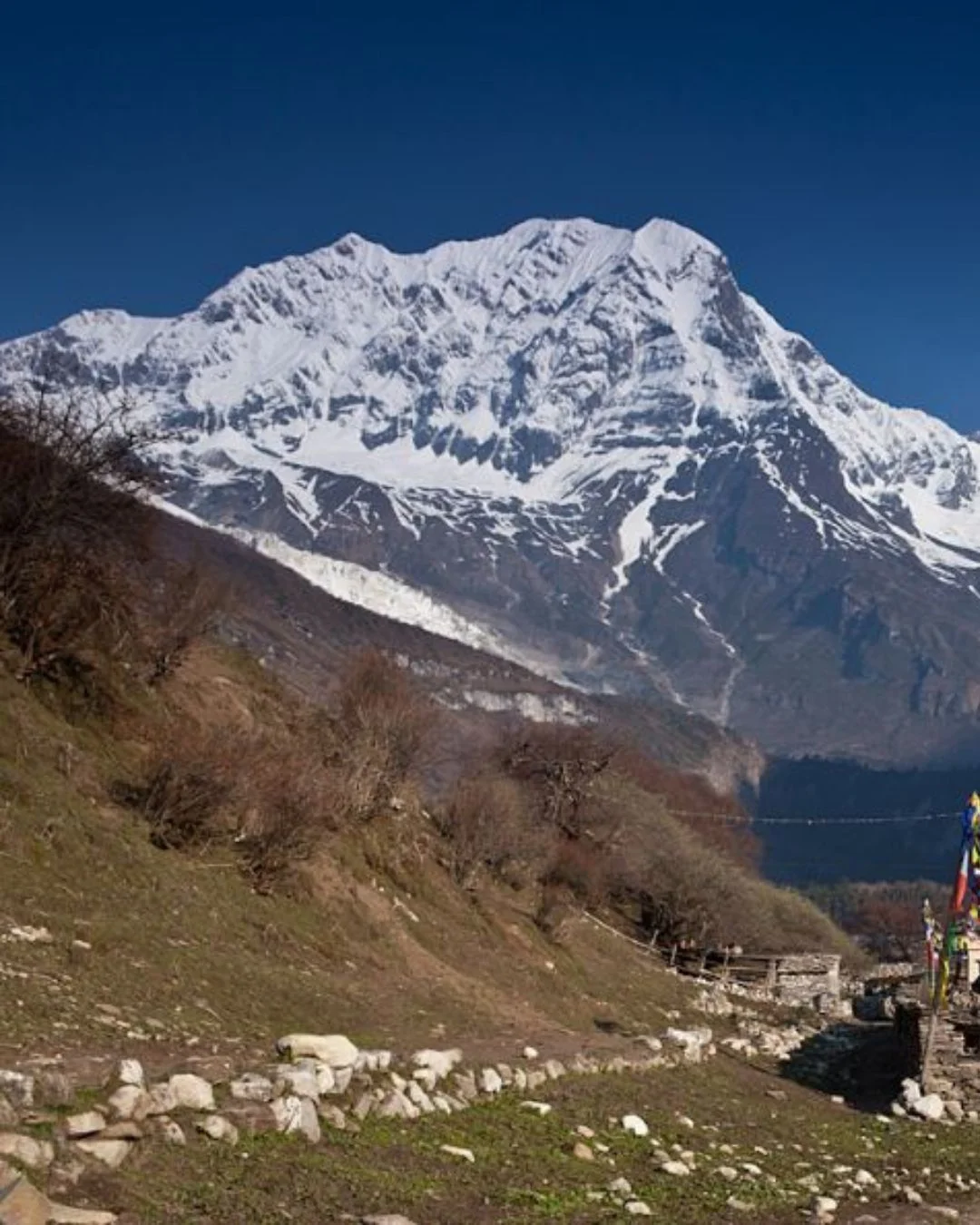
Greenery and Landscape: The trek has remote trails with lush forests, suspension bridges and a transition into alpine landscape, glacier views as well as the towering presence of Mount Manaslu (8,163 m).
Description Of Manaslu circuit with Tsum Valley trek: 18 days
The Manaslu with Tsum Valley Trek is a remarkable Himalayan journey in the Manaslu region of Nepal. It is a beautiful 18 days of trekking in Nepal, gradually ascending from green lowlands to the high Larkya La Pass (5,160 m). Following the beautiful Mt. Manaslu, Ganesh Himal, Sringi Himal you will pass the Budhi Gandaki River through ancient villages like Chumling, Deng, Namrung and finally Tsum Valley which follows the well-anchored Buddhist practices. The trail route is well marked as the perfect Manaslu trekking for adventurers, culture enthusiasts and nature lovers.
Experience the beautiful journey to Manaslu with Tsum Valley Trek with Yeti Hikes during the best season of trekking of Nepal that is autumn and spring season!
What is the best season for Manaslu with Tsum Valley Trek?
The best season for Manaslu with Tsum Valley Trek is Spring and Autumn. Nepal has a total of 4 seasons in Nepal but the best months to trek in Nepal are March to May (Spring) and September to November (Autumn).
Spring
Spring is considered as one of the best seasons to travel to Nepal because of the pleasant temperature, blooming rhododendrons and clear mountain views.
Months | March, April, May |
Day Temperature | 12°C - 25°C (54°F - 77°F) depending on altitude |
Night Temperature | -5°C - 15°C (23°F - 59°F) depending on altitude |
Festivals | Holi (March) known as the festival of colors Local Tsum Valley Buddhist festivals may occur depending on the lunar calendar. |
High Altitude Notes | Larkya La Pass (5,160 m) can still be icy so warm clothing, and proper trekking gear is required. |
Autumn
Autumn is also the season to trek because of the best weather in Nepal because of its clear skies, crisp mountain air and the golden autumn greenery in lower valleys.
Months | September, October, November |
Day Temperature | 15°C - 25°C (59°F - 77°F) depending on altitude |
Night Temperature | 0°C - 12°C (32°F - 54°F) depending on altitude |
Festivals | Dashain (Sep to Oct) and Tihar (Oct to Nov) in local areas Some Buddhist festivals in Tsum Valley may occur depending on lunar calendar |
High-Altitude Notes | The nights are colder compared to spring therefore, proper acclimatization, clothing and trekking gears are recommended. |
Is Manaslu with Tsum Valley Trek a worthy trek in Nepal?
Yes, Manaslu with Tsum Valley Trek is a worthy trek in Nepal and should be in your bucket list! It offers a rare beauty of untouched culture, spiritual heritage and breathtaking Himalayan landscapes. It is also less crowded than the famous Annapurna and Everest region.
Why is it a worthy trek?
Culture: The culture and tradition here is firmly grounded with Tibetan Buddhism where you will encounter ancient monasteries like Mu Gompa, spinning prayer wheels and the local people with their traditional attire.
Nature and Landscape: Along the Budhi Gandaki, you will experience the subtropical forests, alpine meadows, glaciers and high mountain deserts with the diverse ecological zones. The rugged cliffs and snowy wilderness has the beautiful rhododendrons, pine forests, waterfalls and the beautiful terraced fields.
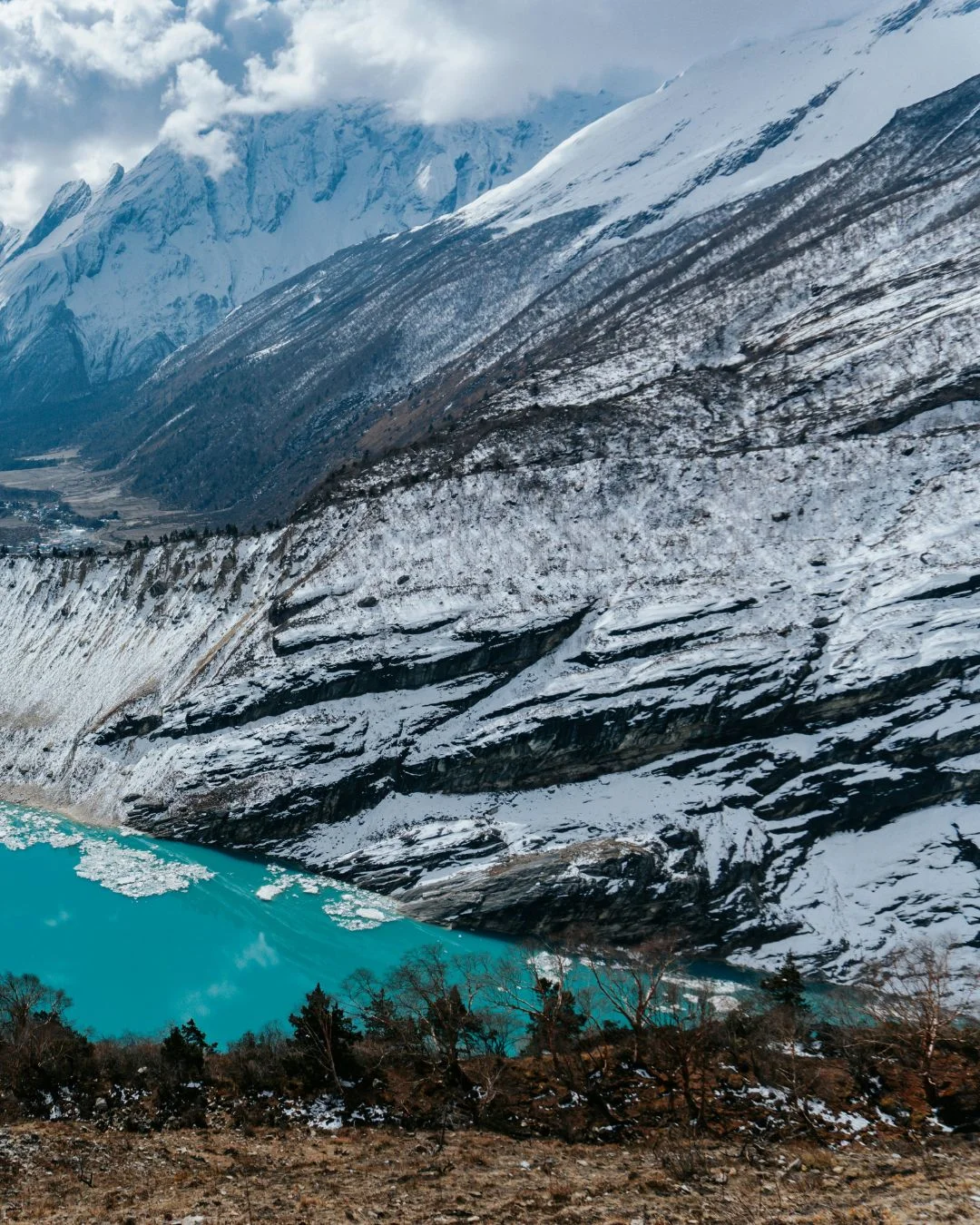
Scenic Beauty: The sunrise viewpoints at Lho, Samagaon, Larkya La Pass have the unforgettable scenic beauty of Mount Manaslu, Ganesh Himal, Sringi Himal and Annapurna II. The Birendra Lake and Bimthang’s glaciers offer serene reflections of the surrounding peaks.
Adventure: It is a long day of thrilling trek yet rewarding experience. The journey combines hidden ballers with the challenging Larkya La Pass and remote trails with high altitude hikes. However, it will be an enriching experience with proper physical, mental preparation and a licensed guide.
Distance and Altitude Coverage of the Manaslu with Tsum Valley Trek
The following table is a day wise overview of the distance and altitude coverage during the Manaslu with Tsum Valley Trek. It is a quick snapshot of the trek’s elevation changes and high altitude points including the challenging Larkya La Pass (5,160 m).
Day | Route | Distance (km) | Min Altitude (m) | Max Altitude (m) |
1 | Drive from Kathmandu to Machha Khola | 140 km (drive) | 600 | 600 |
2 | Trek from Machha Khola to Jagat | 7-8 km | 600 | 1,300 |
3 | Trek from Jagat to Lokpa | 10 km | 1,300 | 1,950 |
4 | Trek from Lokpa to Chhokangparo | 10-12 km | 1,950 | 2,600 |
5 | Take a day hike to Mu Gompa and return to overnight at Nile or Chhule | 8 km | 2,600 | 3,700 |
6 | Trek back to Lokpa via Chumling | 12 km | 2,600 | 1,950 |
7 | Trek from Lokpa to Deng | 11 km | 1,950 | 1,860 |
8 | Trek from Deng to Namrung | 10 km | 1,860 | 3,500 |
9 | Trek from Namrung to Lho | 11 km | 3,500 | 3,900 |
10 | Trek from Lho to Samagaon | 10 km | 3,900 | 3,500 |
11 | Acclimatization day in Samagaon (optional hike to Manaslu Base Camp or Birendra Lake) | 8-10 km | 3,500 | 4,500 |
12 | Trek from Samagaon to Samdo | 7 km | 3,500 | 3,850 |
13 | Trek from Samdo to Dharamsala | 10 km | 3,850 | 4,460 |
14 | Cross Larkya La Pass and trek down to Bimthang | 16 km | 4,460 | 5,160 |
15 | Trek from Bimthang to Tilije | 12 km | 3,620 | 3,200 |
16 | Trek from Tilije to Dharapani and drive to Besisahar | 12 km trek | 3,200 | 1,030 |
17 | Drive back from Besisahar to Kathmandu | 200 km (drive) | 1,030 | 1,400 |
18 | Rest, buffer, or sightseeing day in Kathmandu | – | 1,400 | 1,400 |
Outline Itinerary of Manaslu with Tsum Valley Trek
The combined trek of Manaslu Circuit and Tsum Valley Trek is a 18 days journey of high altitude exploration with the diverse culture and landscape experience in the Manaslu region of Nepal.
Day 1: Drive from Kathmandu to Machha Khola
Day 2: Trek to Jagat
Day 3: Trek to Lokpa
Day 4: Trek to Chhokangparo
Day 5: Day hike to Mu Gompa, overnight at Nile or Chhule
Day 6: Trek back to Lokpa via Chumling
Day 7: Trek to Deng
Day 8: Trek to Namrung
Day 9: Trek to Lho
Day 10: Trek to Samagaon
Day 11: Acclimatization day in Samagaon
Day 12: Trek to Samdo
Day 13: Trek to Dharamsala
Day 14: Cross Larkya La Pass and Trek to Bimthang
Day 15: Trek to Tilije
Day 16: Trek to Dharapani and Drive to Besisahar
Day 17: Drive back to Kathmandu
Day 18: Rest, buffer, or sightseeing day in Kathmandu
Itinerary Of Manaslu circuit with Tsum Valley trek: 18 days
The trip begins with an 8 to 9 hour drive from Kathmandu to Machha Khola, a picturesque but rocky route. Along the route, you can see terraced fields, roadside villages, and hillsides with waterfalls as you follow the Trishuli and then Budhi Gandaki Rivers. Anticipate off-road sections that enhance the adventure as the road gets narrower. Before arriving at Machha Khola, you can see the Arughat and Soti Khola villages. There are simple but cozy teahouses in this peaceful and friendly riverbank village. You can hear the Budhi Gandaki's unceasing roar at night and sense the transition from the city's bustle to the tranquillity of the Himalayas.
You will start your first full day of trekking with a leisurely stroll beside the Budhi Gandaki River. There are many ups and downs along the trail, which also crosses suspension bridges and passes through rice terraces and forests. The trail occasionally narrows into rocky ledges that test your balance, and waterfalls roar from cliffs above. Additionally, you will pass Tatopani, which is well-known for its natural hot springs and where many hikers stop to take a dip. You will reach Jagat, a stone-paved Gurung village with a strong Tibetan influence, after 6 to 7 hours of hiking. The village serves as a permit checkpoint for the Manaslu region and is instantly recognizable by its mani walls and traditional homes. Jagat is a great place to recuperate and immerse oneself in Himalayan culture because of its tranquil atmosphere.
The valley begins to sharply narrow as the trail continues past Jagat along the Budhi Gandaki Gorge. You'll often climb before descending once more to cross suspension bridges as you trek through bamboo forests and rocky terrain. The scenery is stunning, with far-off views of snow-capped mountains, despite the hike's physical demands. You finally arrive at Lokpa, the first village that serves as a gateway to the Tsum Valley, after a continuous ascent. Surrounded by dense forest and terraced farmland, Lokpa is smaller and more tranquil than Jagat. With Tibetan Buddhists practicing, prayer flags flying, and chortens strewn all over the village, the cultural shift is evident right away. Staying here sets the stage for the days ahead by introducing you to the Tsum Valley's spiritual atmosphere.
As you ascend deeper into the Tsum Valley, today's hike is among the most rewarding. You pass small hamlets, mani walls, and dense forests along the route. As you ascend, the sound of rushing rivers follows you, and the air becomes fresher and cooler. Gradually, the terrain opens up to reveal highland fields and expansive views of the mountains. You will arrive at Chhokangparo, one of the valley's biggest settlements, after a difficult day. With breathtaking views of Ganesh Himal and the surrounding peaks, this broad plateau village is surrounded by barley fields. The residents are renowned for their friendly hospitality, and the homes are constructed of stone, flat-roofed, and in the traditional Tibetan style. Natural beauty and cultural diversity are expertly combined in Chhokangparo.
The hike to Mu Gompa, one of the valley's holiest monasteries, is the trek's high point. Yak pastures, windswept terrain, and expansive mountain views are all part of the trail's gradual ascent. The silence and unadulterated beauty of the valley are unforgettable, but the ascent is made more difficult by the thin air. Sacred relics and monks can be found at the 3,700-meter-high Mu Gompa, a place of spiritual refuge. You spend the night in Nile or Chhule after touring the monastery and discovering its centuries-old customs. Traditionally constructed in the Tibetan style, these twin villages feature hospitable teahouses. This day is a real highlight of the Tsum Valley because of the cultural immersion and stunning mountain scenery.
You will start your descent today, going back through the Tsum Valley. The walk downhill is more leisure and provides opportunities to enjoy the scenery you might have missed on the way up. The trail is lined with pine and rhododendron forests, and frequent appearances of mani walls and chortens serve as a reminder of the spiritual depth of the valley. Additionally, the hike offers expansive views of far-off snowy ridges and cliffs. You make a stop in Chumling, a quaint village with historic monasteries and traditional homes, on the way back. Before continuing on to Lokpa, it's a great place to relax and experience the warmth of the locals. As you prepare to re-enter the Manaslu Circuit trail after leaving behind the ethereal atmosphere of Tsum, returning here is like closing a chapter.
Today's hike rejoins the Manaslu Circuit trail and passes over multiple suspension bridges and through verdant forest paths. The Budhi Gandaki River, which winds through deep gorges, is your ever-present companion. The trail tests your endurance with its many climbs and descents, but the rewards are breathtaking views of rocky cliffs and waterfalls. You can see how remote yet independent these mountain communities are as you pass tiny hamlets and prayer wheels. Deng is a small but culturally interesting village that Tibetans call home. Terraced fields, stone houses, and prayer flags dominate the terrain. The village is well known for its warm hospitality and its filling meals, which often have a Tibetan flair. Deng represents your steady progress deeper into the Manaslu Region's center.
The longer but more varied trail leads from Deng to Namrung. You’ll cross suspension bridges over the Budhi Gandaki, weave through dense forests, and climb stone staircases carved into the hillsides. The journey goes through a number of villages, including Rana and Ghap, which are distinguished by monasteries, prayer wheels, and mani walls. As you gradually rise to higher elevations, where the air feels noticeably crisper, you are accompanied by the sounds of birdsong and forest rustle. With breathtaking views of Himal Chuli and Ganesh Himal, Namrung is a charming village. With intricate mani walls and residents wearing Tibetan-inspired clothing, the settlement is culturally rich. Namrung is a great place to relax because it has some of the coziest teahouses in the area.
Today's trail climbs steadily through fir and rhododendron forests, passing small villages and farmlands where people tend to potatoes and buckwheat. Trekking is slower at higher elevations, but the surrounding mountain scenery keeps you motivated. The first distinct views of this Himalayan giant appear as you get closer to Lho, when the majestic peak of Manaslu takes over the horizon. One of the circuit's most picturesque and culturally active villages is Lho. The village is proudly topped by the sizable Ribung Gompa monastery, where young monks are frequently observed studying or chanting.
After leaving Lho, the trail climbs gently, passing through alpine meadows and wooden bridges. The scenery gets wider and closer to snowy peaks at every turn. Surrounded by fields, the village of Shyala provides stunning 360-degree views of Manaslu, the Himal Chuli, and Ngadi Chuli. This section of the trail is regarded as one of the most picturesque in the whole journey. At the foot of Manaslu sits the sizable, traditional Tibetan village of Samagaon. Yak pastures, mani walls, and vibrant prayer flags encircle it. With monasteries and traditional wooden homes, the village is rich in culture. Samagaon also serves as a stop for acclimatization, allowing you to take in the tranquil atmosphere, learn about the local culture, and gaze at the snow-capped mountains that rise straight overhead.
In order to adapt to the altitude, this is an important day for rest and acclimatization. You have the option of taking short hikes for better adaptation or just lounging around the village. Popular choices include a walk up to Manaslu Base Camp for daring hikers or a hike to Pungyen Gompa, an old monastery with breathtaking views of Manaslu's glaciers. These hikes reward you with breathtaking scenery while also helping your body adjust. Locals can be seen doing traditional crafts, herding yaks, and spinning prayer wheels. From ancient monasteries to carved mani stones, the village is teeming with cultural treasures. Before moving on to higher, more difficult terrain, a leisurely day here offers both physical recuperation and a deeper cultural connection.
Although the journey from Samagaon to Samdo is shorter, it ascends into alpine terrain. Along the Budhi Gandaki, the trail progressively ascends, offering breathtaking views of glacial valleys and snow-capped mountains. There are fewer trees and more windswept hillsides as the landscape becomes more bare. The colder air and thinner atmosphere serve as a constant reminder of the altitude as you climb steadily. Samdo is a secluded Tibetan refugee settlement close to the Tibetan border. Stone homes are grouped together to withstand severe weather, and the area is sparsely populated. The villagers' way of life is a reflection of centuries of tradition and is based on yak herding and trade.
The trail ascends gradually from Samdo to Dharamsala, also known as Larkya Phedi. With only yak pastures and sparse vegetation separating the rocky terrain, the landscape turns bleak and windswept. There is a sense of history along the trail as you pass the remains of ancient trade routes that were once used between Tibet and Nepal. Despite being comparatively short, the altitude and thinner air make the hike feel more difficult. The simple town of Dharamsala is home to a few teahouses that cater mostly to hikers getting ready for the Larkya La Pass. Although the region has breathtaking views of glaciers and tall peaks, there aren't many amenities. Acclimatization and energy conservation are the goals of this stop in preparation for the difficult ascent over the pass the following day.
The trek's most challenging and rewarding day is today. Starting before dawn, you will ascend gradually to the 5,160-meter Larkya La Pass, with sweeping views of peaks like Manaslu, Himlung, and Annapurna II The route winds through frozen lakes, moraines, and snowfields. Every step is difficult due to the thin air, but your amazing accomplishment is marked by prayer flags fluttering at the top. You start the lengthy descent to Bimthang after having a celebration at the pass. After a steep initial descent, the trail gradually descends into forested alpine meadows. With its expansive fields, streams, and breathtaking mountain views, Bimthang feels like a treat after such a trying day. After reaching the highest point of the trek, the village is serene and offers comfortable teahouses for rest.
The trail gradually descends into more verdant surroundings from Bimthang. The frigid alpine landscape will give way to verdant pine and rhododendron forests. After the strain of the pass, the day's hike feels rejuvenating as it crosses suspension bridges and follows streams. You'll see tiny waterfalls and hear birdsong resonating throughout the valley as you travel. The picturesque Gurung village of Tilije is well-known for its traditional stone homes and terraced fields. Here, the cultural ambience changes once more, influenced by both Nepali and Tibetan customs. There are also cozy teahouses in Tilije where you can savor hot tea and filling meals. After days in the high mountains, this stop feels rejuvenating and soothing because of the warmer air and friendly village life.
Today's trail is kinder, winding through rivers, small towns, and verdant hillsides. As you continue to descend, you will cross bridges and pass through villages where the pace of daily life shifts back to one that is more agricultural in nature. You arrive at Dharapani, which is a part of the Annapurna Circuit trail, after several hours of hiking. Numerous trekking routes converge at this important intersection. The administrative hub of Lamjung district, Besisahar, is reached by jeep from Dharapani. You return to more developed areas as the drive winds through small towns, terraced farmland, and picturesque valleys. Compared to the mountain villages, Besisahar is bigger, busier, and has more facilities. It serves as a crossing point between the rough trekking paths and the roads that return to Kathmandu.
You take a lengthy but picturesque drive back to Kathmandu after leaving Besisahar. The road passes small towns and frequently follows rivers as it winds through hills and valleys. Depending on traffic and road conditions, the trip takes roughly six to seven hours. It feels both familiar and strange to be back in the city after spending weeks in the isolated Himalayas. Once in Kathmandu, you settle into your hotel and re-enjoy the capital's amenities.
This last day is flexible, so you can either explore Kathmandu's cultural attractions or relax after your exhausting hike. If you would rather unwind, you can take advantage of Thamel's cafes and shops, go souvenir shopping, or just relax. As an alternative, you can visit UNESCO World Heritage Sites like Swayambhunath, Pashupatinath, or the ancient Durbar Squares on a sightseeing tour.
What's Included In Manaslu circuit with Tsum Valley trek: 18 days
Included
Airport Transfers: Pick-up and drop-off at Tribhuvan International Airport by private vehicle.
Accommodation:
3 nights in a 3-star hotel in Kathmandu with breakfast.
Best available tea house/lodge accommodation during the trek (twin-sharing basis).
Meals:
3 meals per day (breakfast, lunch, and dinner) during the trek.
Seasonal fruits after dinner.
Transportation:
Private vehicle from Kathmandu to Machha Khola (starting point).
Public or private jeep from Dharapani to Kathmandu after the trek.
Permits and Documentation:
Manaslu Restricted Area Permit (MRAP).
Tsum Valley Restricted Area Permit (TVRAP).
Manaslu Conservation Area Permit (MCAP).
Annapurna Conservation Area Permit (ACAP).
TIMS card (Trekkers’ Information Management System).
Guide and Porter Services:
Licensed and experienced English-speaking trekking guide.
Staff insurance, salary, accommodation, and meals.
Government Taxes & Service Charges: All applicable government and local taxes.
First Aid: First aid medical kit carried by the guide.
Briefing & Preparation: Pre-trek briefing and trek preparation assistance.
Certificate: Trek completion certificate from the company.
Excluded
International Flights: Airfare to and from Kathmandu.
Nepal Visa Fee: Entry visa for Nepal (can be obtained upon arrival).
Travel Insurance: Mandatory comprehensive travel insurance covering high-altitude rescue and evacuation.
Meals in Kathmandu: Lunch and dinner in Kathmandu.
Personal Expenses:
Hot showers, battery charging, Wi-Fi, and extra snacks/drinks during the trek.
Personal trekking equipment and clothing.
Bar bills, alcoholic beverages, and bottled water.
Tips: Tips for guide, porter, and driver (recommended but not mandatory).
Extra Costs:
Costs due to flight delays, weather conditions, landslides, or other unforeseen circumstances.
Any additional services not mentioned in the “Includes” section.
Additional Information Of Manaslu circuit with Tsum Valley trek: 18 days
What are the available accommodations during the Manaslu with Tsum Valley Trek?
The available accommodations during the Manaslu with Tsum Valley Trek are teahouses, lodges, camping and occasional homestays. All the available options provide you a space to deeply connect with the natural beauty and culture of the Manaslu and Tsum Valley regions.
Teahouses
The family-run teahouses along the trekking route are the most common accommodation option.
You will find twin-sharing rooms with foam mattresses, blankets and a communal dining hall.
The teahouses have shared toilets and cold or lukewarm showers.
Location: Most villages offer teahouses as the primary accommodation.
Lodges
The lodges are slightly more comfortable than the standard teahouses but are available in some locations only.
They have private or semi-private rooms with western or squat toilets and hot water for showers at an additional cost.
Location: Lodges are available in larger or developed villages.
Camping
Camping is done at remote or less developed sections like Tsum valley where lodges are limited.
It requires personal gear, tents and sleeping bags as well as portable cooking equipment.
Camping is optional but it offers a more immersive wilderness experience.
Location: Camping is only in remote areas of Tsum Valley.
Homestays
You will stay with local families in villages to experience the authentic culture of the Manaslu region.
The rooms are basic yet cozy with shared toilet and bathroom facilities and the meals are prepared by the host family only.
Location: Homestays are occasional mainly in Samagaon and cultural villages.
Food and Beverage options during the Manaslu with Tsum Valley Trek
The food options during the Manaslu with Tsum Valley trek are the stable Dal Bhat twice a day and occasional thukpa and momo. Foods are available at your accommodation only and they are simple yet nutritious. However, it is recommended to carry personal snacks like protein bars during the trek.
Food Options:
Breakfast | Porridge, eggs (boiled, omelet, scrambled), pancakes, bread with jam/butter, noodles, tsampa (roasted barley flour). |
Lunch | Dal Bhat (rice with lentils and curry), curry with seasonal vegetables, noodles, momo (steamed or fried), soups (thukpa, noodle soup). |
Dinner | Dal Bhat, vegetable or meat curry, noodles, soups, porridge. |
Beverage Options:
Hot Beverages | Tea (black, milk, herbal), coffee, butter tea, hot chocolate, ginger tea |
Cold Beverages | Soft drinks (Coke, Fanta), bottled water, juices (available in some villages) |
Toilet and Bathroom Facilities during the Manaslu with Tsum Valley Trek
The toilet and bathroom facilities during the Manaslu with Tsum Valley Trek are basic and depend on the region and altitude. The cold or lukewarm showers are commonly available, and hot showers are rarely available at an extra cost.
Lower region
Location: Soti Khola, Machha Khola, Jagat
The toilet facilities are shared squat or western style toilets.
Hot showers are available in some teahouses only but at an additional cost.
The facilities are basic but relatively better because of privacy and amenities.
Mid region
Location: Lokpa, Chhokangparo, Nile, Deng, Namrung
The available toilets are mostly squat style shared toilets.
Cold or lukewarm showers are available but hot water is rare.
There will be limited facilities and the privacy is minimal.
Higher region
Location: Lho, Samagaon, Samdo, Dharamshala, Bimthang, Tilije, Tsum Valley
The available facility is a shared squat toilet or none in camping areas.
Hot water is very limited and cold showers are available.
The remote and high altitude has minimal amenities, so a trekking hygiene kit is recommended.
Personal Hygiene Tips
Carry hand sanitizer and use it before meals and after using toilets.
Bring your own toilet paper or use a small travel pouch.
It is recommended to use biodegradable soup, and water usage is limited in high altitude areas.
Carry your own toothbrush, toothpaste, floss and brush twice daily.
Wear clean and moisture wicking clothes and change socks daily to prevent blisters and infections.
Use antifungal powder to keep your feet dry and clean.
Carry a small towel and wet wipes for remote areas.
Plan your trek with Yeti Hikes!
Book your Manaslu with Tsum Valley Trek with Yeti Hikes. For any inquiries, booking, or personalized assistance, you can reach out to us on our Contact Page. Our team is ready to help you plan your unforgettable trekking experience.
Learn more about us on our Yeti Hikes Page.
Why to trek with Yeti Hikes?
Yeti Hikes is one of the best travel agencies in Nepal where our main motive is to offer you an immersive travel experience and find your perfect adventure. We focus on your safety, comfort and authentic Himalayan experience and ensure your trek is memorable from start to finish. The Manaslu with Tsum Valley Trek is moderately challenging hence, Yeti Hikes is there for you to safely complete your trekking journey in Nepal.
Required Documents and Permits for Manaslu with Tsum Valley Trek
The Manaslu with Tsum Valley Trek is a restricted area therefore, you will specifically need Manaslu Restricted Area Permits (MRAP), Manaslu Conservation Area Permit (MCAP) and Tsum Valley Restricted Area Permit along with Chumnubri Rural Municipality Permit. The team of Yeti Hikes will handle all your paperwork and documentation so that you can focus on your adventure.
Manaslu Restricted Area Permit (MRAP)
The permit is mandatory to trek in the restricted areas of Manaslu region from Jagat to Sama Gaon.
Cost:
Nepali Citizens | SAARC Citizens | Foreign Citizens |
Not Required | September to November USD 15 per additional day | September to November USD 15 per additional day |
| December to August USD 50 for the first 7 days USD 7 per additional day | December to August USD 75 for the first 7 days USD 10 per additional day |
Manaslu Conservation Area Permit (MCAP)
The permit is required for all trekkers to enter the Manaslu Conservation Area.
Cost:
Nepali Citizens | SAARC Nationals | Foreign Citizens |
Not Required | USD 8 | USD 30 |
Tsum Valley Restricted Area Permit
It is required to extend your journey towards Tsum Valley.
Nepali Citizens | SAARC Citizens | Foreign Citizens |
Not Required | USD 40 for the first 7 days USD 7 per additional day | September to November USD 7 per additional day |
|
| December to August USD 30 for the first 7 days USD 7 per additional day |
Chumnubri Rural Municipality Permit
It is required in the Manaslu Region particularly from Samagaon and to Dharmashala.
Cost:
September to November USD 15 per additional day | December to August USD 50 for the first 7 days USD 7 per additional day |
The required documents for Manaslu Trek Permits are:
Valid Passport
Visa for Nepal
Passport Sized Photographs
Travel/ Itinerary Details
Insurance Documents
Acclimatization and Acute Mountain Sickness (AMS) during the Manaslu with Tsum Valley Trek
The Manaslu Circuit and Tsum Valley Trek take you through altitudes ranging from 600m (Soti Khola) to 5,106m (Larkya La Pass) hence, proper acclimatization is required to avoid AMS and a safe and enjoyable trek.
Yeti Hikes has planned rest days, acclimatization days and gradual altitude gains to minimize risks to ensure your body has time to adjust to the temperature. Our guides are experienced and educated to recognize AMS symptoms and take preventive measures.
Symptoms | Preventive Measures |
Headache and Dizziness | Gradual ascent (300 to 500 m per day) |
Nausea and Vomiting | Proper acclimatization days |
Confusion and loss of coordination | Follow “Climb High, Steep Low” Protocol |
Fatigue | Stay hydrated |
Swelling of Hands, Feet, Face | Eat high-carbohydrate meals |
Loss of Appetite | Avoid smoking and alcohol |
Difficulty Sleeping | Consider preventive medication |
If you have any queries related to preventive medication you can check out The Essential Guide to Using Diamox for High Altitude Treks Blog!
Guides and Porters during the trek in Nepal
The guides at Yeti Hikes are highly trained and knowledgeable about the trails of the trek. They will lead you safely through challenging parts. high altitude terrains and will monitor your health to ensure proper acclimatization. They are passionate and will provide insights about local villages and traditions. The guides here are trained enough to respond efficiently in case of any emergencies.
Our porters will help you carry your luggage, camping equipment and other essentials so that you can trek comfortably without fatigue. They will help maintain a smooth trekking pace and also ensure your belongings are safe.
For further information, you can check our Why to take guide and porter during the trek to Nepal? page.
Flexible Itinerary based on your Preference and Pace
For the Manaslu with Tsum Valley Trek, Yeti Hikes provides flexible itineraries that let you hike at your own speed and alter each day to suit your interests and preferences. Our itineraries are made to give you the flexibility to have a comfortable, customized, and unforgettable trekking experience, regardless of whether you want to spend more time exploring picturesque viewpoints, engaging with local communities, or just lounging along the trail.
Trekking Essentials for Manaslu with Tsum Valley Trek
Mobile Phones and Gadgets during the Manaslu with Tsum Valley Trek
The mobile phone generally works in major villages like Dharapani, Jagat, Samagaon, and Samdo but the network coverage is limited in remote areas. Yeti Hikes recommend you carry Ncell and Nepal Telecom (NTC) SIM Card during the Manaslu Region.
You can charge your gadgets during the trek for a small fee approximately NPR 100 to 200 per device. However, it is advisable to carry a power bank especially for high altitude days where electricity may be limited.
Note: Drones require a special permit from the Nepal Government.
Internet and Wi-Fi Availability during the Manaslu with Tsum Valley Trek
Wi-Fi is available in some teahouses and lodges only and local 4G hotspots may work in a few villages. It is slow and not reliable in case of navigation or emergencies. With the Ncell or NTC Sim card, you can take roaming data to use the internet throughout the trek.
Tipping and Extra Expenses on the Manaslu with Tsum Valley Trek
The total trip cost does not include the cost of guide and porter tipping as well as the extra expenses of souvenirs or other personal items. It is recommended for you to carry Nepalese currency cash as online banking does not work in the remote areas.
Based on service quality, you can tip our guides and porters at the end of the trek.
Conclusion
With its combination of moderate to difficult terrain, remote Himalayan villages, lush forests, glaciers, and rich Tibetan culture, the Manaslu with Tsum Valley Trek offers a distinctive experience in comparison to other well-known treks in Nepal. Because of its restricted area permits, Manaslu is relatively quiet compared to the physically taxing and crowded Everest Base Camp Trek, offering a more tranquil and immersive experience.
Manaslu provides more in-depth cultural experiences and a sense of adventure in less-visited areas than the Annapurna Circuit Trek, which boasts varied landscapes and marginally better infrastructure.
Treks like Langtang Valley, on the other hand, are easier and shorter, making them appropriate for people with little time or moderate trekking experience. However, they lack the remote Tibetan-influenced villages and high-altitude challenges that Manaslu offers.
All things considered, if you are looking for culture and stunning Himalayan views in a largely unspoiled setting you will find the Manaslu with Tsum Valley Trek to be perfect!
Gear List Of Manaslu circuit with Tsum Valley trek: 18 days
Clothing
Base Layers
Thermal tops and bottoms (for warmth at night).
Moisture-wicking t-shirts (2-3, quick-dry fabric).
Lightweight trekking pants (convertible into shorts if possible).
Insulating Layers
Fleece jacket or sweater.
Insulated down jacket (for colder nights and higher altitudes).
Outer Layers
Waterproof and windproof jacket.
Waterproof pants.
Hiking Socks
Wool or synthetic socks (3-4 pairs).
Liner socks (optional, to prevent blisters).
Accessories
Hat (for sun protection).
Beanie or warm hat (for higher altitudes).
Buff or scarf (to protect against wind and dust).
Gloves (both lightweight and insulated if possible).
Footwear
Hiking Boots
Sturdy, waterproof trekking boots (well-broken-in).
Camp Shoes
Lightweight sandals or camp shoes for resting in the evenings.
Backpacks
Daypack (20-30L)
For essentials like snacks, water, and rain gear.
Duffel Bag (if using porters)
You may need a duffel for the bulk of your gear if you’re hiring porters.
Trekking Gear
Trekking Poles
Helpful for balance and reducing stress on knees.
Sleeping Bag
Rated for temperatures below freezing (around -10°C/14°F).
Water Bottles
Reusable bottles or a hydration bladder (2-3 liters capacity).
Water Purification
Tablets, drops, or a portable filter to avoid purchasing bottled water.
Headlamp
With extra batteries (essential for early starts or evening walks).
Sunglasses
UV protection to safeguard against strong sunlight at altitude.
Trekking Map and Compass
Optional, but can help you follow along with the route.
Toiletries
Sunscreen (SPF 50+)
Lip Balm (with SPF)
Toilet Paper
Wet Wipes
Hand Sanitizer
Biodegradable Soap/Shampoo
Toothbrush and Toothpaste
First Aid & Medication
Personal Medication
Bring a sufficient supply of any prescribed medications.
Basic First Aid Kit
Painkillers, blister care (like moleskin), band-aids, and antiseptic cream.
Altitude Sickness Medication
Such as acetazolamide (consult your doctor before taking).
Snacks and Energy Foods
High-Energy Snacks
Protein bars, nuts, dried fruit, chocolate, or energy gels for extra fuel on the trail.
Electronics
Camera/Phone
For capturing memories.
Portable Charger/Power Bank
Charging points may be scarce and expensive.
Spare Batteries
Cold weather can drain batteries quickly.
Miscellaneous
Money
Carry enough cash for food, charging, and tips in remote areas.
Trekking Permits and Passport Copies
Ensure you have copies of your TIMS and ACAP permits, as well as your passport.
Small Locks
For your bags.