Langtang Gosaikunda Trek -11 Days
 in TripAdvisor
Recommended by 99% of travelers
in TripAdvisor
Recommended by 99% of travelers
AI Overview & Key Expedition Facts
Curated by Yeti Hikes Sherpa Intelligence
To embark on this trek legally, participants must possess a valid passport, a tourist visa for Nepal, a Langtang National Park entry permit, and a Trekkers Information Management System card. Preparing for this adventure requires a moderate level of physical fitness, characterized by consistent cardiovascular endurance, leg strength, and the ability to comfortably hike for five to seven hours daily over steep and rugged terrain. Climbers must also maintain mental resilience for basic teahouse living conditions and cultivate proper altitude acclimatization readiness to safely manage the physical demands of ascending high mountain passes.
Overview Of Langtang Gosaikunda Trek -11 Days
- Region
- Langtang Region
- Destination
- Nepal
- Max Altitude
- 4,773 m/15,659 ft
- Activity
- Trekking in Nepal
- Duration
- 11 days
- Group Size
- 1-20+
- Best Season
- Late Sep-Nov and Feb-May
- Accommodation
- Tea house/Lodge
- Meals
- Breakfast + Lunch + Dinner
- Transportation
- Public/Private/Shared Vehicle
Highlights Of Langtang Gosaikunda Trek -11 Days
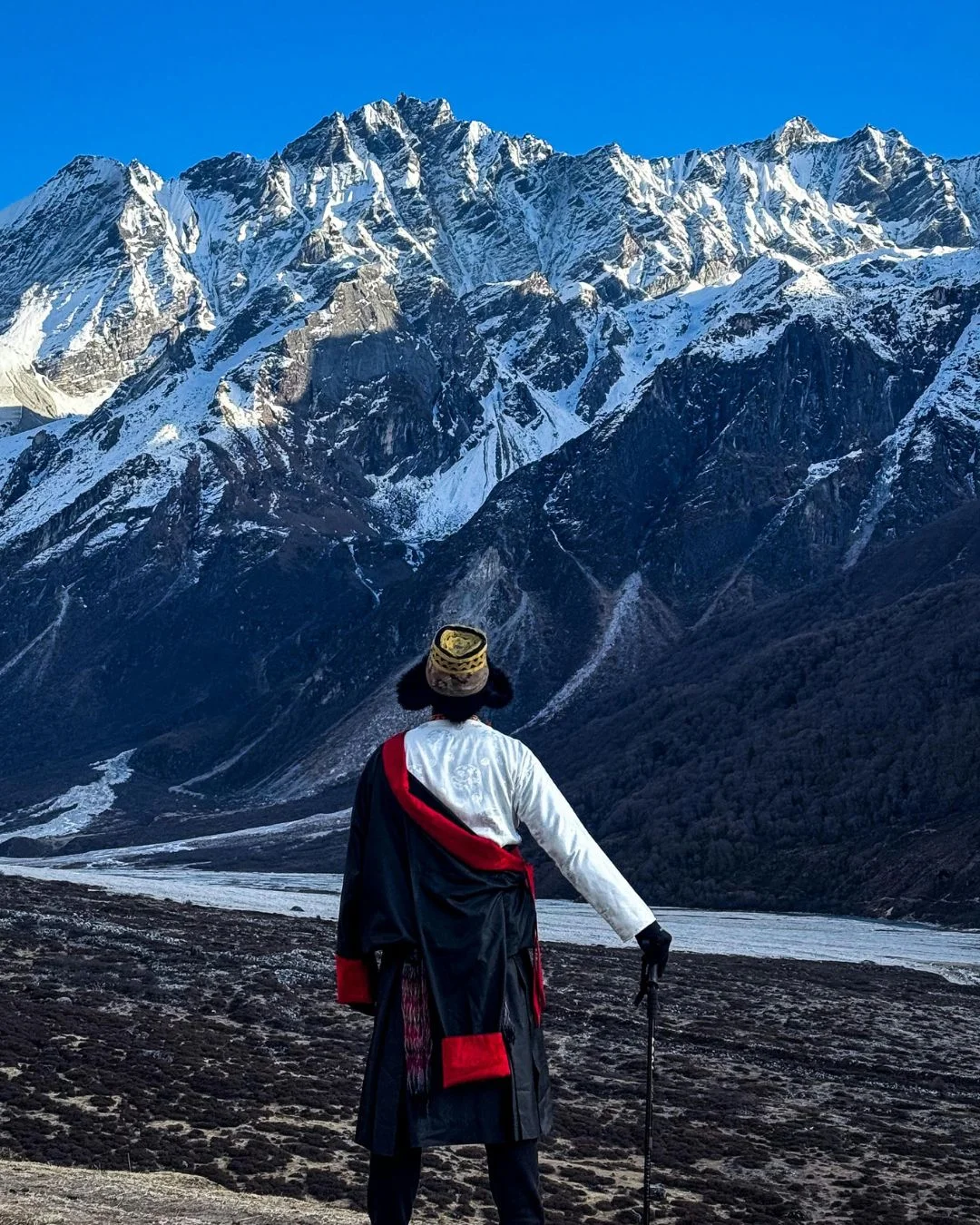
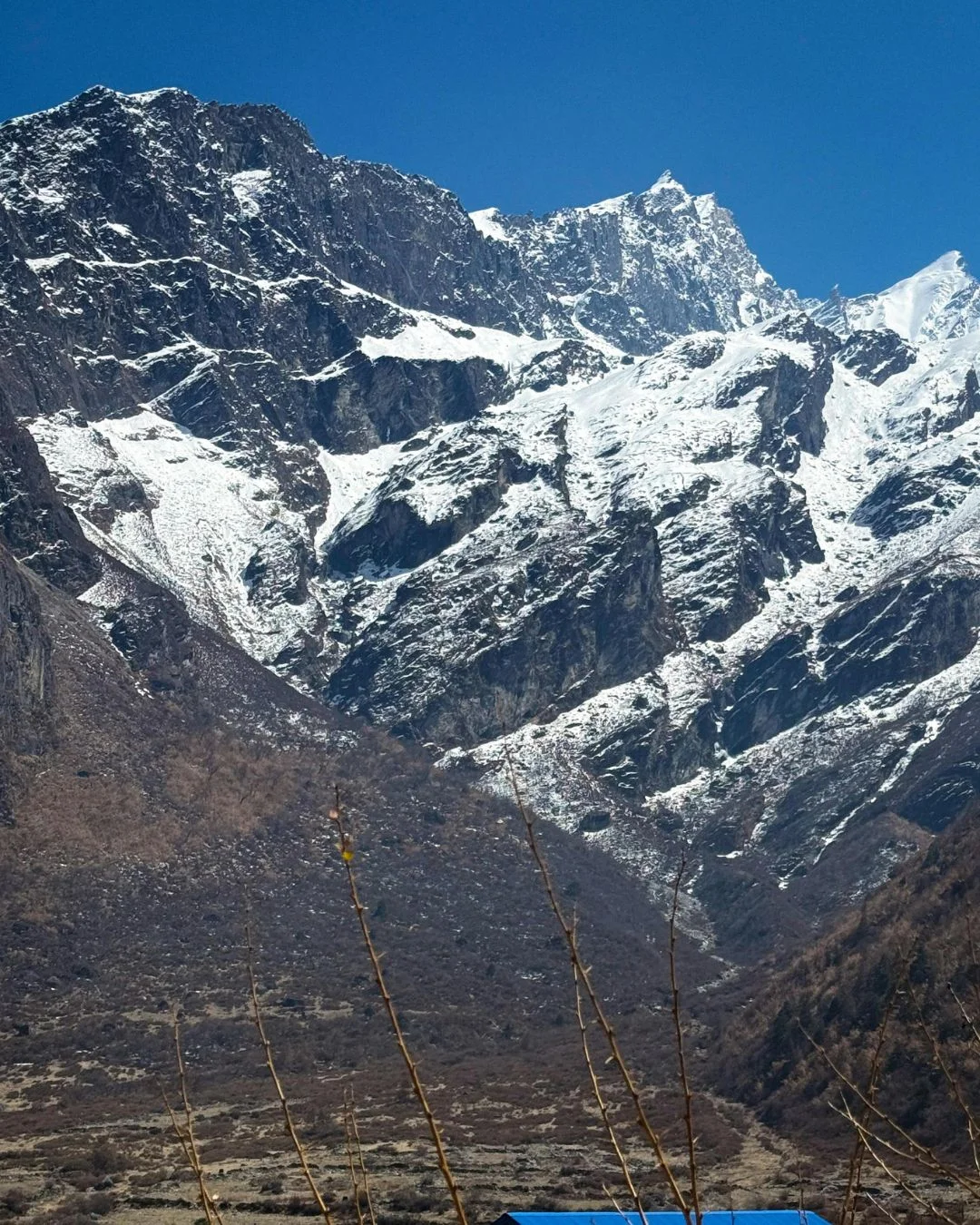
Spectacular vistas of Langtang Lirung, Dorje Lakpa, and snow-capped peaks throughout the trek.
Dense oak, bamboo, and rhododendron forests have langur monkeys and vibrant birdlife sightings.
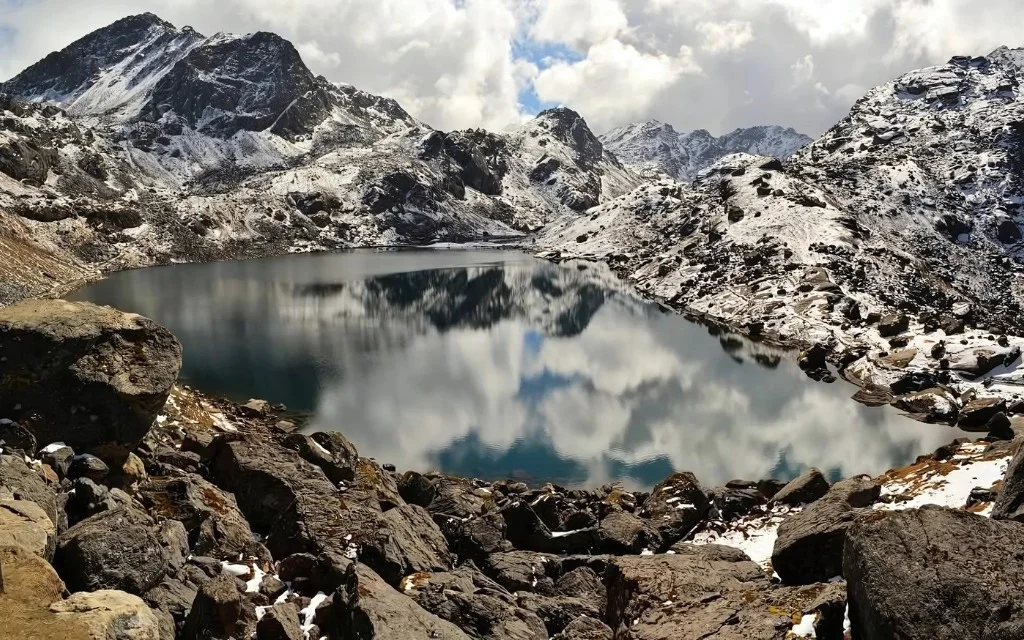
A serene glacial lake revered by Hindus and Buddhists, surrounded by rugged peaks.
Explore traditional villages with stone houses, warm locals, and vibrant Tamang culture.
Exciting crossings over roaring rivers and scenic waterfalls add a thrilling touch.
Chortens, prayer flags, and sacred sites enrich the journey with cultural significance.
Tranquil yak pastures and wildflower-strewn meadows with breathtaking mountain backdrops.
Awe-inspiring sunrise views over the Langtang Valley and surrounding Himalayan peaks.
Description Of Langtang Gosaikunda Trek -11 Days
The Langtang region's, Langtang Valley Gosaikunda Trekking is a stunning trip to most of Nepal's diverse regions, offering a combination of different impressions of nature, indigenous culture, and pilgrimage sites. The journey starts from the massive town of Syabrubesi, where you hike through oak, bamboo, and rhododendron forests. While on the trek, you'll experience the breathtaking views of waterfalls and rivers, and the chatter of the popular langur monkeys often entertains you. This happens with the landscape fluctuating between the valleys' rich green and the alpine's colorful pastures, more than occasionally greeted by the majestic Langtang Lirung and other snowy mountains.
On the way through the trail, trekkers cross the old Tamang villages of Langtang and Thulo Syabru, offering beautiful mountain glimpses, pleasant hospitality, and the striking cultural makeup of the high Himalayan people. Little points of Buddhists, for example, chortens, prayer flags, and monasteries, enliven the sacredness of the trip. Hiking Langtang Valley up to the divine Gosaikunda Lake, sitting at the backdrop of rugged mountains and glacial landscape, is one of the magnificent events here, which allows you complete bliss and serenity. When one starts following any trail in the place, you'll find that the natural and cultural features are in perfect harmony.
The actual highlight of the trek is the ascent to Kyanjin Ri, from where a sunrise over the Langtang valley and the peaks of the great Himalayas is genuinely unforgettable. On the way down, you'll be fascinated by the scenery, enhanced by aromatic yak pastures and beautiful small farming villages. The trip ends with a ride as far as Kathmandu with the memories of the untouched nature and engaged cultural and spiritual life. The Langtang Trek with Gosaikunda Lake is suitable for those who fancy a thrilling and fulfilling Himalayan trekking experience.
How does the Langtang Gosaikunda Trek route start and end?
Langtang Gosaikunda Trek itinerary for 11 days starts when you arrive in Kathmandu, and the drive back to Kathmandu only. Therefore, Langtang and Gosaikunda trek commences and ends in Kathmandu.
The tour starts at Tribhuvan International Airport; it will be the first impetus to the impressions of the incredible exotic country. Kathmandu's roads are active; cars and trucks manoeuvre through a narrow network of streets, passing intricately carved ancient temples, crowded bazaars, and new buildings. As you transfer to your hotel, the scenery reflects the city's duality: it combines the gracious and the modern, the quiet and the lively. The tour's first stage is exciting and opens you to the country's culture while you prepare for the hike.
The route changes further afield from the city; it takes 6-7 hours to drive to Syabrubesi. It presents excellently paved roads, which are, to some degree, narrow and rough as one ascends the hills. During the journey through the area, you’ll encounter picturesque terraced fields, dense forests, flourishing villages, and sometimes meet the acmé of the Himalayan mountains. Namely, such routes as the Pasang Lhamu Highway have a certain number of curves that make the journey more adventurous. Trishuli River runs parallel to the highway; thus, one gets a fresh view of calm waters and the sound of waves running all the time.
The trip finishes with a hike back to Dhunche, from where you can drive to Kathmandu. As you come down the higher grounds, the roads change for the final time from rutted tracks to good tarmac. The landscape reverts to forests and the terrains and gradually evolves into an organised, confused scene of Kathmandu. The return journey has time allocated to look back, and the markets and towns and the majestic Langtang Himalayas provide an apt send-off. Finally, you are back in Kathmandu and in the comfort of your designated hotel. Your memorable journey will end, and here we bid goodbye!
The Langtang trek costs nothing but your time and interest. But most of all, the majestic landscapes, cultural richness, and great promise of an unforgettable adventure amidst the peaks, forests, and serene alpine meadows increase the urge to explore Langtang.
What is the Best season for 11 days of Langtang Valley and Gosaikunda Trek?
The best time for the Langtang trek with Gosaikunda is spring and autumn. However, it doesn't matter if you are interested and willing to take risks; it depends on your preferences.
Despite all this, the Yeti Hikes team suggests travelling around Nepal in spring or autumn when the weather and temperature are suitable. The trails are mostly open this season, and the slight rains may be expected. Although it is possible to find snow even at a higher altitude, it is paramount to be well equipped to keep off the wet spots.
Spring (March-May)
The temperature ranges from 15°C to 25°C (59°F to 77°F), and you'll get to experience explosive growth of flora (rhododendrons, oak, and maple) and enhanced wildlife activity with the opportunity to spot the Himalayan Monal and various butterfly species. You'll witness local festival celebrations (Dashain, Tihar), farming practices, and seasonal livelihoods.
Autumn (September-November)
Autumn brings post-monsoon dryness with minimal rainfall, which reduces the risk of slippery trails. During autumn, the temperature ranges from 15°C to 25°C (59°F to 77°F), so there will be prolonged daylight hours with abundant sunshine. You will have a clear view of peaks such as Langtang Lirung, Ganesh Himal, and many others. You may get to witness major Tibetan Buddhist festivals like Loshar as well.
Accommodation during the Langtang Gosaikunda trek 11 days
Langtang Gosaikunda Lake Trek 11 day accommodation ranges from standard to basic tea houses and lodges to fancier guesthouses, depending on the altitude, the location, and the expense.
The basic tea houses, guesthouses, and lodges provide essential comfortable rooms along the route, while their standard trekking menu includes Nepali Cuisines like Dal Bhat, Noodles, Soup, etc.
Required Documents/Permits for Langtang Valley and Gosaikunda Trekking
To trek in the Langtang Valley and Gosaikunda Trekking, you must have specific permits and documents, as it lies in the Langtang National Park. Here's what you need:
Passport and Visa
You'll need a valid passport (valid for at least six months) and a Nepal tourist visa. The visa can be obtained on arrival at Tribhuvan International Airport in Kathmandu.
For an 11-day trek, the 30-day visa is ideal, as it costs around US$ 50.
Travel Insurance
It is not mandatory, but you must have a travel insurance policy covering trekking at a higher altitude. Always keep a photocopy of your insurance policy and emergency numbers.
Medical Certificate
It is required, as some may request a medical certificate to confirm the absence of chronic diseases and the ability to undertake strenuous activities.
Permits for Langtang Gosaikunda Trekking
Considering the journey, which takes 11 days, several permits are required due to its location. Here's a breakdown of the licenses you'll need:
Langtang National Park Entry Permit
You'll need this permit to enter Langtang National Park.
Cost: US$25 per person
Trekkers’ Information Management System (TIMS)
A TIMS card is typically required for trekking in Nepal, but for Langtang Valley Camp, the "Langtang National Park Entry Permit" takes precedence. Therefore, as mentioned above, you don't need a TIMS card if you have the following permit.
Documents Required to Apply Permit Applications:
A clear passport-size scanned copy of the passport has a validity of at least six months.
Passport-sized photos as per requirements.
Trekking Itinerary Details.
Cash (Nepalese Rupees) for permit fees.
Additional documents are required as specified by the permit office or trekking agency.
You should obtain the permits through a registered trekking agency and check with them to ensure all the paperwork is in order before starting your trek. For more information about permits and documents, visit the Permits and Document page.
Outline itinerary for Langtang Gosaikunda Trekking
Day 1: Arrival in Kathmandu and transfer to hotel
Day 2: Drive to Syabru Bensi
Day 3: Trek to Lama Hotel
Day 4: Trek to Langtang village
Day 5: Trek to Kyanjin Gompa
Day 6: Morning hike to Kyanjin Ri and trek to Ghodatabela
Day 7: Trek to Thulo Syabru
Day 8: Trek to Sing Gompa
Day 9: Trek to Gosaikunda
Day 10: Trek to Dhunche
Day 11: Drive back to Kathmandu
Itinerary Of Langtang Gosaikunda Trek -11 Days
Our Yeti Hikes staff will welcome you as you're at Kathmandu's Tribhuvan International Airport (TIA). A representative from our office will take you to the designated hotel. Freshen up after checking in to walk around Nepal's energetic city. To observe the busy streets and local markets, you can stroll a short distance or visit Thamel, one of the most visited tourist destinations. We recommend that you all buckle up and take in as much of your surroundings as possible, even if you relax in your accommodation. Savor the filling and welcome dinner as you wind down and prepare for the next day!
The route to Syabrubesi takes nearly one day from Kathmandu, as it is a 6—to 7-hour drive on the most adventurous and scenic highway. The route starts with a brief crossing by the Balaju Bypass and then goes to the Pasang Lhamu Highway flyover, the primary way to the Langtang region. Halfway through is Trishuli Bazaar, a vital business point and a great place to stop and have lunch.
After crossing Trishuli Bazaar, the trail goes towards Dhunche, the gateway to the Langtang National Park. There is an indication that the gradient increases, and what concerns the road surface is rocky. Dhunche is one of those places where you can get a permit check as you formally begin your journey in the park. There are also beautifully constructed roads that pass through green hills, terraced farms, and beautiful countryside. Passages offer stunning views of beautiful rural settlements, thick foliage, and rapid waters of the Trishuli River, making the ride even more attractive. The road shifting from plains to some hilly regions past the backdrop of some of the tremendous Himalayan Mountains gives this drive a visual treat. The journey from cities to the countryside makes the trip to Syabrubesi adventurous.
The last part leads you to Syabrubesi, the starting place for the trekking expedition. This beautiful, lively village with typical stone houses and steep rice terraces is gorgeous and serves as the starting point for treks into the Langtang or the Tsum Valley area.
The day following your arrival at Syabrubesi, you will start your trek to the Lama Hotel—the route leads towards the Langtang Valley. The whole valley is filled with greenish hills, and on both sides, there are grassy fields. The trail strays along rewarding countryside, sometimes with occasional shepherds tending to their flocks on alpine meadows. This place was once highly developed and was affected by the 2015 earthquake. Today, the way is marked by a couple of transient villages and an army camp. However, all these changes do not obstruct the destination's natural beauty and provide a relatively peaceful trekking experience. It further emerges stretched with steep climbs that take you through the forests of oaks and rhododendron trees. There are also waterfalls along the routes you will take, and you will cross a few suspension bridges to get a little thrill on the hike.
The natural trails and rich vegetable cover make this a host area for primates and birdlife; you will occasionally find the long-tailed monkeys, popularly known as the langur monkeys, frolicking in the trees or hearing the bird voices resonating in the valley. The trail also affords exquisite outlooks of snow-covered mountains in the backdrop of the greenish, which reminded me of my home state. You will hike over bamboo tree areas and cross some clear streams as you go up. The air becomes thinner and colder during the climb, and you feel refreshed as you breathe. With no disturbance like human noise, a waterfall is heard at a distance, which is aesthetically appealing.
The journey lasts slightly over one and a half to a day and a half, bringing you to the Lama Hotel. It makes the destination physically welcoming, culturally benign, and conducive to rest and recreation after trekking over various terrains. Savour peace and productivity when the day is done, and you rest for the night.
The next day is a trek from Lama Hotel to Langtang Village, which stands at approximately 11346 feet. The trek, which takes approximately 7 hours, provides various spectacular views. The trek, which takes about 7 hours, presents beautiful sights of the following attractions. Prospective hikers shall be able to enjoy the sights, which include: You will get the feel of the dense forest and listen to the sound of the trickling River, which seems to follow you. The more significant part of this trail is heavily wooded but occasionally opens into beautiful glades offering exquisite countryside views.
Ghodatabela is also halfway famous for nice chocolate box tea houses with beautiful windows. This is a perfect place to take a break, where one can have tea and admire the view of the beautiful countryside. It also has a broad perspective of the Langtang valley and the mountains that enclose it. Further down, you can go up steep paths to get a better view of the area's flora and fauna, including alpine meadows where yaks graze.
By mid-afternoon, you will be surrounded by spectacular Himalayan scenery in Langtang Village. The village's stone houses and friendly people will allow visitors to feel the spirit of the country's recovery after the traumatic events of the 2015 earthquake. This is the last place where the day's journey ends, and here also, you can enjoy the splendid views of the high hills around the place, which makes this place a worthy experience trekking point for you.
The next day's trek is more of a gentle climb because the route is shorter; thus, it is an easy journey. You pass by some Buddhist artifacts like chortens and prayer flags inscribed with Buddhist mantras. These spiritual symbols give your trek a tranquil, culturally rich dimension. On the trail, you will find stunning mountain scenery and captivating views of watermills and yak pastures—a picturesque setting.
As you continue, you will arrive at your destination relatively quickly, leaving you a reasonable amount of time to rest or explore the village. The serenity and the sluggish pace of the day are just right for relaxation and observation of the surroundings. It is also an excellent chance to communicate with the locals and understand their lives.
We, the staff of Yeti Hikes, recommend climbing a few hundred meters above Langshisha Kharka for those who wish to interact even more with this environment. This allows for an even better learning of the surrounding natural habitat and a close connection to the spiritual and cultural aspects around it. The scenic views are panoramic, while the settings of Langshisha Kharka exude much tranquility.
Start the day with an early morning hike to Kyanjin Ri at 4,773 meters for a panoramic view of the Langtang Valley and snow-capped peaks surrounding it. Early morning views are spectacular and a great time for photos and meditation. After viewing the surroundings from the summit, you will descend downhill to Kyanjin Gompa for a brief rest and breakfast. The trail to Kyanjin Ri is steep and rocky; careful footing is required, but the stunning vistas and a feeling of accomplishment will reward it.
After descending from Kyanjin Ri, the trek proceeds downhill to Ghodatabela. You will head down the same way you came up, following the same route through alpine meadows, yak pastures, and dense oak and rhododendron forests. You will also cross some suspension bridges across rushing rivers, adding adventure to the trail. The gentleness of the descent serves as a reminder to marvel at the surroundings. A well-trodden path yet uneven in most parts demands that one becomes careful, especially over rocky terrain and areas with mud, especially if there was recent rain.
Upon arrival at Ghodatabela, after about 6-7 hours, you will be greeted by charming tea houses and extensive views, which are the perfect place to rest after a long trekking. The tea houses offer basic but comfortable accommodations, warm meals, and a cozy atmosphere. This day will be one of the memorable parts of your trekking because of the challenging hike combined with the scenic descent through one of the most picturesque valleys of Nepal.
Start the day with a hearty breakfast at Ghodatabela and then trek towards Thulo Syabru. The trek contains ups and downs through various landscapes that offer a mixture of sightseeing and varied sounds of nature. From Ghodatabela, you first cross the oak and rhododendron forests, with sightings of the local wildlife, including langur monkeys and various bird species. The trail offers striking views of the valley beneath and the distant snow-capped peaks, forming a picture-perfect backdrop for your trek.
Further ahead, the route contains parts where one needs to cross gushing rivers on suspension bridges, which is quite an adventure. The landscape changes with every downward step into one of the terraced fields and small villages where you can observe the traditional way of life of the local communities. The path is reasonably well-marked but often uneven, so sure footing is necessary, especially in rocky and muddy parts.
After a trek of about 6-7 hours, you will reach Thulo Syabru, a lovely village with traditional Tamang culture and friendly people. Basic but comfortable accommodation in the local lodges and a warm meal add to the experience.
Start your day with a refreshing breakfast in Thulo Syabru, then head to Sing Gompa. Today's walk is relatively short, yet it is a steep climb upward that offers excellent views. Today's trail goes through the oak and rhododendron forests, and the surrounding environment is tranquil and scenic. The climb is moderate, with some steep sections, but the well-trodden path is manageable with a steady pace.
As you trek higher, the landscape changes with panoramic views of the surrounding mountains and valleys. The air becomes crisper, and you may notice the change in vegetation, with more alpine flora dotting the trail. Sing Gompa or Chandan Bari, is a quaint stop with a monastery and a cheese factory. The area is rich in cultural heritage, and the monastery is a peaceful place to visit, offering a glimpse into the local spiritual practices.
You can rest in the lovely lodge here and take your time to explore the village. The monastery may be a quiet and enriching place to visit, while locally made yak cheese from the factory is not to be missed. Serenity at the village with spectacular views makes Sing Gompa an ideal spot for relaxation and contemplation about the day's journey.
Sing Gompa is the first place you go to kick off your day with a warm breakfast. Therefore, today’s journey is uphill and progressive, and in order to complete it, one has to cross various terrains—soil, rugged, and bumpy. Slowly, it starts climbing through the woods and then gets on to moderately steep terrain, mainly consisting of alpine tundra. Sublime mountains, snow-covered, precise, neat, and what have you can be seen in this ever-changing background.
Further on, there are more but less significant teahouses for short rests, and you can meet with the hospitable Sherpas in person. Approaching the holy lakes of Gosaikunda becomes rockier with elevation gain, making it even more technical. But the walk is not strenuous, for the views along the trail are incomparable. You can also tour Buddhist and Hindu holy places, making your trip religious.
Walking at a moderate pace for 5-6 hours will lead one to Gosaikunda, a religious destination for Hindus and Buddhists. This area generally comprises the apparent glacial lakes, of which Gosainkunda Lake is the most popular. The calm and less greenish environment of the lakes covering mountain ranges makes it the most suitable place to rest. The lodgings are essential, but you are not constrained to sleep in high altitudes; you can get a good night’s rest and much more.
Hence, it contains conquered difficulties, perceived spiritual and natural values, and scenic beauty of the journey in one marvelous day, which would feature your trekking undertaking.
Your last day of trekking starts with a scrumptious breakfast to prepare you for the descent. The trail descends to Dhunche via steep downhill paths and gentle slopes, making for a pleasant trip. You will follow downhill trails through lush forests, terraced fields, and small villages. The trail has proper signage, and the topography is so varied that it provides a visual feast that enriches the panoramic view of the Langtang Valley with far-flung peaks.
The route passes through several beautiful settlements where you can take small breaks to rest and enjoy the local hospitality. As you descend, the air grows much warmer, and the variation in vegetation indicates that your altitude is lowering. The route includes a few suspension bridges above rushing streams, adding an adventurous touch to your journey. Much of the route is highly rocky and rough; hence, attentive footing is essential.
After some 6-7-hour trek, you will arrive at Dhunche, a bustling town and the gateway to the Langtang region. It has different kinds of lodges and teahouses that offer comfortable accommodation. The liveliness in Dhunche is quite contrasting to the serenity and remoteness of the places you have been through, which makes it a very apt place to end your trek. You can relax, reflect on the magnificent journey, and celebrate the feast.
Time passes without us knowing, and the time for your way back to Kathmandu is sadly here! After breakfast, you will leave for Kathmandu and take a sightseeing tour of the Langtang area. It has turns, making it cover the contours of the landscape; the road takes the driver through villages, fields, and forest regions.
As you descend, you will see a feeling of change in vegetation and climatic conditions getting hotter.
The 6-7-hour drive passes through several active market towns and much of the Pasang Lhamu Highway. There will be opportunities to move around, get out of the car, and even pull over to a local Kenyan roadside café for tea. The sightseeing prospers over the snow-capped Himalayan range in the backdrop, and the vivid and fulfilling lifestyle of the local people makes the journey back equally appealing as the trek.
You arrive in Kathmandu, where you will be driven to your hotel for a rest. You can also rejuvenate your tired self about your journey and city comforts. It's the end of your trekking with unforgettable moments in the culture of the Langtang region!
What's Included In Langtang Gosaikunda Trek -11 Days
Included
Accommodation for 10 nights in teahouses.
A highly experienced, helpful, knowledgeable, friendly, English-speaking, well-trained, Government-licensed guide. The price includes his salary, food, drinks, accommodation, transport, and insurance.
Kathmandu to Syabrubesi and vice-versa, local bus.
Lantang National Park Permit, TIMS Card.
Three meals a day: breakfast, lunch, and dinner, and tea/coffee during the trekking.
Safe drinking water.
First-add kit box.
Yeti Hikes's T-shirt, cap, duffle bags, city and trekking route maps – if necessary.
Arrangement of emergency evacuation service (should have insurance for emergency evacuation and will be paid by your travel insurance company)
Excluded
The fees associated with your Nepal visa.
Optional Private Jeep, US$ 225
Insurance for helicopter evacuation, as well as personal travel and health insurance.
Extra nights of accommodation, lunch, and dinner in the city
Your expenses, including laundry, baggage charges, phone calls, battery recharges, bar and beverage bills, boiled or bottled water, hot and cold showers, and an additional attendant, are as follows.
The tips for the trekking personnel and drivers.
Additional expenses that arise as a result of flight delays, strikes, weather conditions, or any other event beyond our control.
Gear List Of Langtang Gosaikunda Trek -11 Days
Clothing
Base Layers
Thermal tops and bottoms (for warmth at night).
Moisture-wicking t-shirts (2-3, quick-dry fabric).
Lightweight trekking pants (convertible into shorts if possible).
Insulating Layers
Fleece jacket or sweater.
Insulated down jacket (for colder nights and higher altitudes).
Outer Layers
Waterproof and windproof jacket.
Waterproof pants.
Hiking Socks
Wool or synthetic socks (3-4 pairs).
Liner socks (optional, to prevent blisters).
Accessories
Hat (for sun protection).
Beanie or warm hat (for higher altitudes).
Buff or scarf (to protect against wind and dust).
Gloves (both lightweight and insulated if possible).
Footwear
Hiking Boots
Sturdy, waterproof trekking boots (well-broken-in).
Camp Shoes
Lightweight sandals or camp shoes for resting in the evenings.
Backpacks
Daypack (20-30L)
For essentials like snacks, water, and rain gear.
Duffel Bag (if using porters)
You may need a duffel for the bulk of your gear if you’re hiring porters.
Trekking Gear
Trekking Poles
Helpful for balance and reducing stress on knees.
Sleeping Bag
Rated for temperatures below freezing (around -10°C/14°F).
Water Bottles
Reusable bottles or a hydration bladder (2-3 liters capacity).
Water Purification
Tablets, drops, or a portable filter to avoid purchasing bottled water.
Headlamp
With extra batteries (essential for early starts or evening walks).
Sunglasses
UV protection to safeguard against strong sunlight at altitude.
Trekking Map and Compass
Optional, but can help you follow along with the route.
Toiletries
Sunscreen (SPF 50+)
Lip Balm (with SPF)
Toilet Paper
Wet Wipes
Hand Sanitizer
Biodegradable Soap/Shampoo
Toothbrush and Toothpaste
First Aid & Medication
Personal Medication
Bring a sufficient supply of any prescribed medications.
Basic First Aid Kit
Painkillers, blister care (like moleskin), band-aids, and antiseptic cream.
Altitude Sickness Medication
Such as acetazolamide (consult your doctor before taking).
Snacks and Energy Foods
High-Energy Snacks
Protein bars, nuts, dried fruit, chocolate, or energy gels for extra fuel on the trail.
Electronics
Camera/Phone
For capturing memories.
Portable Charger/Power Bank
Charging points may be scarce and expensive.
Spare Batteries
Cold weather can drain batteries quickly.
Miscellaneous
Money
Carry enough cash for food, charging, and tips in remote areas.
Trekking Permits and Passport Copies
Ensure you have copies of your TIMS and ACAP permits, as well as your passport.
Small Locks
For your bags.