Ghandruk Trekking - 3 days
 in TripAdvisor
Recommended by 99% of travelers
in TripAdvisor
Recommended by 99% of travelers
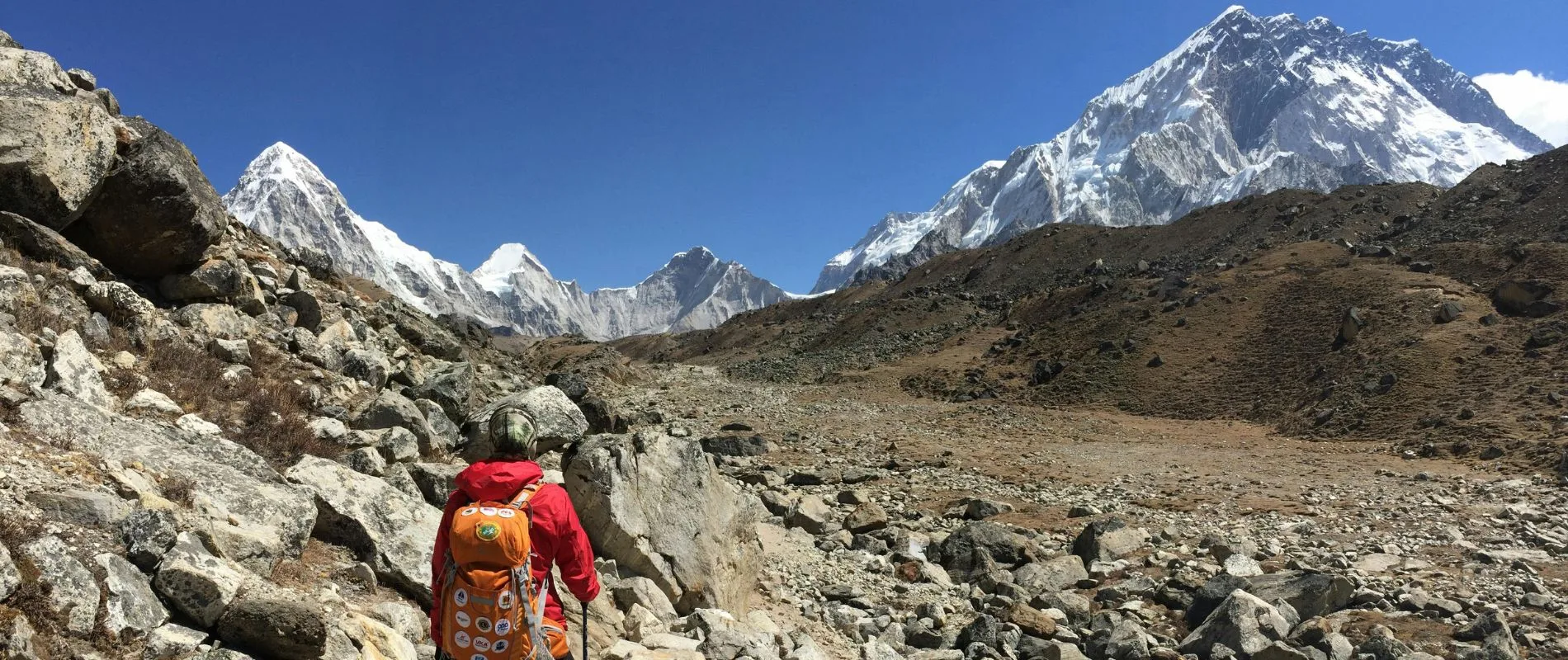
Overview Of Ghandruk Trekking - 3 days
- Region
- Annapurna Region
- Destination
- Nepal
- Max Altitude
- N/A
- Activity
- Trekking in Nepal
- Duration
- 3 days
- Group Size
- 1-20+
- Best Season
- March-May/Sept-Nov
- Accommodation
- N/A
- Meals
- N/A
- Transportation
- N/A
Highlights Of Ghandruk Trekking - 3 days
Experience a picturesque drive through rolling hills, terraced fields, and charming villages with stunning views of the Annapurna and Machhapuchhre (Fishtail) peaks.
Explore the cultural richness of Ghandruk, known for its stone houses, Gurung Museum, and breathtaking views of Annapurna South, Hiunchuli, and Machhapuchhre.
Enjoy a tranquil atmosphere in these traditional settlements, offering authentic Nepali hospitality, panoramic mountain views, and lush greenery.
At Australian Base Camp – A Panoramic Viewpoint, you'll witness one of the best sunrise and sunset views of the Annapurna range from this open ridge, surrounded by forests and scenic landscapes.
Trek through rhododendron and oak forests, terraced farmlands, and alpine meadows, providing a dynamic mix of natural beauty.
Savor delicious Nepali dishes such as dal bhat, momo, and herbal tea while staying at cozy teahouses with warm hospitality.
Witness golden hues illuminating the snow-capped peaks in the early morning and evening, creating unforgettable moments.
End the trek with a relaxing stay in Pokhara, where you can unwind by Phewa Lake, explore vibrant streets, or enjoy adventure activities.
Description Of Ghandruk Trekking - 3 days
Ghandruk is a short trip in the Annapurna region. The journey is a short and easy trek that offers beautiful views of the village and the surrounding scenery at 2,012 meters/6601.05 feet above sea level. Ghandruk is the best trek for those who love short trips with beautiful scenery, offering a view of Annapurna Mountain. Along the trail, you will see a beautiful rhododendron forest, which is the best part of the trek.
After reaching Ghandruk village, visitors are welcomed by breathtaking views of snow-covered mountains. The village provides panoramic views of Annapurna, Hiunchuli, Machhapuchre, and Gangapurna. These mountains make Ghandruk even more beautiful during sunrise and sunset, when they glow differently. Museums at Ghandruk preserve Gurung history and culture.
Ghandruk is popular for its culture and traditional lifestyles. Ghandruk village is a Gurung people settlement in the Annapurna region. Ghandruk village is filled with traditional-style buildings with stone walls, slate roofs, and wooden doors and windows. Tourism is the main occupation in Ghandruk, and many villagers also practice agriculture. This settlement reflects the simple, organized lifestyle of villagers. Ghandruk is the starting point for the Annapurna Base Camp trek, offering opportunities to explore wildlife, birds, and lush greenery along the trail.
The Ghandruk trek is suitable for families, the elderly, and children because it is beginner-friendly. Spring and autumn are the best seasons to visit, which offer mountain views and clear skies. The blooming rhododendrons in spring offer stunning scenery. You can join the Ghandruk village trek for a peaceful and delightful time framed by the Annapurna Mountain range.
What is the best season/ time for Ghandruk Trekking?
The best season/ time for Ghandruk Trekking is spring and autumn. A spectacular trek through Ghandruk enables you to discover the scenic landscape of Annapurna and its distinctive cultural heritage. The trail leads through the Annapurna massif base while showcasing traditional villages alongside dense forests and agricultural terraces, which reveal spectacular views of Annapurna South and Hiunchuli alongside Machhapuchhre (Fishtail). The trek possesses manageable difficulty levels through its well-kept environmental conditions. During these seasons, the Ghandruk Trek presents an unforgettable journey combining enchanting natural sights with priceless native cultural interactions and breathtaking Himalayan views.
Spring (March-May)
Trekking during the spring months benefits from pleasant weather conditions running between 10°C and 20°C daily. Willows spread their flowers throughout the trails while forests multiply their colors, and stone summits of Annapurna South, Hiunchuli, and Machhapuchhre (Fishtail) become visible. The Himalayas show spectacular sunrises and sunsets because the skies are mostly clear of clouds. Warm and precise weather conditions in spring allow you to witness wildlife and experience fresh mountain breezes.
Autumn (September-November)
Autumn offers ideal conditions for trekking because it brings comfortable temperatures between 10°C and 18°C and steady climate conditions. Clear autumn conditions deliver both fresh air and outstanding mountain peak vistas because of clear air. These paths remain moisture-free, delivering improved trekking conditions. Major Nepali festivals, Dashain and Tihar, bring splendid cultural encounters to the villages that line the trekking paths during the fall season.
Trekking occurs during winter (December - February), yet nighttime temperatures frequently reach freezing levels, and trails can freeze over. The cold weather creates an exclusive experience through its silent walking trails with snowfall scenes. Heavy rainfall during June-August causes trails to become dangerous due to slippery conditions, while leech infestation further reduces visibility. Even though the season presents different visual delights, it brings freshly green vegetation and many waterfalls that make for a stunning trekking setting.
How secure is it to go on the Ghandruk Trek?
Choose the Ghandruk trek to explore the Annapurna region through a well-built hiking route that showcases intense Himalayan sights and ancient local communities. The trek maintains access for everyone due to its maintained trails, low elevation risks, and dependable local support. Trekking travelers must prepare for the smooth path, yet weather conditions, minor injuries, and uncommon wildlife sightings should enter their risk management plan. You'll have access to vital teahouses, emergency first-aid, and helicopter rescue systems, creating a safe and comfortable adventure experience. A thorough preparation, combined with travel through Yeti Hikes, provides access to Ghandruk's beauty since we ensure security on the path.
Trail Safety
Together with a suitable footing, the trek's pathways serve all types of trekkers regardless of their experience. Most of the paths in the Ghandruk trek are sloped with stones that are easy to travel since they lack technical climbing requirements. For stability on steep sections during climbing and descending, it is critical to use trekking poles and adequate footwear. The trail connects multiple villages; therefore, local assistance, rest stops, and teahouses exist to enhance your overall journey safety.
Weather and Natural Risks
Safety conditions in trekking depend significantly on meteorological conditions. Leeches are abundant in forested zones from June to August, while excessive monsoon rain creates slippery trails from mud. During the winter months of December through February, the occasional snow creates slippery, icy conditions, mainly affecting shaded areas. The preferred trekking seasons fall between spring (March) and autumn (September - November) because these months provide clear skies and moderate temperatures while the trails remain dry. Before starting your journey, verify the weather conditions to prepare for unexpected weather shifts.
Wildlife and Other Threats
Dispersed wildlife thrives throughout the Ghandruk region, but dangerous encounters with wild animals remain highly infrequent. You may encounter Langur Monkeys, Himalayan pheasants, and goats, yet more considerable wildlife avoids trails for human use. Stray dogs occasionally appear in villages, so people should limit their engagement with these animals. There is minimal danger from wildlife throughout this trekking route.
Minimal Altitude Risk
Ghandruk stands at 2,012 meters below typical heights for Himalayan trekking locations. Ground-level elevation ensures protection against severe altitude sickness, Acute Mountain Sickness (AMS), that develops above 3000 meters of elevation. Although climbing steep hills might lead to slight fatigue among trekkers, proper hydration measures and adequate rest eliminate any health problems. This trek route requires no added acclimatization rest days because it operates below the typical altitude of severe high-altitude sickness (AMS).
Well-maintained trails and teahouses
Steps together with stone-paved walkways throughout important areas enhance accessibility for travelers. Visitor amenities at the teahouses include spotless accommodations and delicious home-cooked foods paired with basic comforts. Labeling sections with additional fees, guests can access Wi-Fi and mobile charging and take hot showers at many lodges, extending comfort to remote areas.
Basic First-Aid
Traveling safely on this route requires a fundamental initial response equipment bundle despite its low danger levels. Standard trekking injuries, such as blisters and muscle injuries, alongside minor cuts, become manageable with simple bandages, antiseptic cleaners, and over-the-counter painkillers. Even if teahouses possess first-aid supplies, bringing your own items is wise. When trekking with YetiHikes, you receive two benefits: a guide with first-aid knowledge and guides carrying emergency medical kits for treating minor injuries.
Emergency Helicopter Rescue
Through the Ghandruk trek, you can safely travel, but emergency helicopter rescues are ready to fly to save people with severe medical conditions and dangerous incidents, alongside unexpected dangers. Special evacuations through helicopter transport visitors from Ghandruk toward Pokhara or Kathmandu. To ensure smooth rescue operations:
Getting travel insurance with helicopter evacuation coverage is strongly advised.
Yeti Hikes implements fast response procedures for evacuations through its emergency coordination services.
Outline itinerary of the Ghandruk trekking - 3 days
Day 1: Drive from Pokhara to Birethanti and trek to Ghandruk
Day 2: Trek to Tolka via Landruk
Day 3: Trek to Kande and drive back to Pokhara
Itinerary Of Ghandruk Trekking - 3 days
Drive Route: Pokhara → Naudanda → Kande → Lumle → Birethanti
Trek Route: Birethanti → Syauli Bazaar → Kimche → Ghandruk
You'll begin your journey from Pokhara by driving through Naudanda, Kande, and Lumle, and then you'll reach Birethanti. Along the drive route, you'll experience magnificent vistas of hills with terraced fields and Annapurna and Machhapuchhre mountain peaks (Fishtail). You can see traditional life in the Himalayas as the road explores the mountains, moving between ups and downs through vibrant vegetation. The path commences officially through Birethanti, an energetic entrance gateway toward the Annapurna Conservation Area.
After the riverbank path of Modi Khola, you will discover the peaceful settlement of Syauli Bazaar, where you can rest. Rising steadily, the hiking route reveals scenic vistas from below the river and adjacent mountain formations. Along the route to Kimche, the trails put stone surfaces through forested territories, which link you to traditional settlements. The path's elevation demand grows challenging, yet you can enjoy incredible natural sights and rest at strung-out tea spots throughout the journey.
The journey continues past Kimche to reach Ghandruk - an attractive Gurung village seated amidst the hillside. You will be treated to dramatic mountain vistas featuring Annapurna South, Hiunchuli, and Machhapuchhre. People visit Ghandruk to experience its Gurung culture and see its traditional stone-built houses combined with welcoming local hospitality. You may wander through the town, meet with the local Gurung people, and pursue relaxation by taking in breathtaking mountain vistas. The peaks develop golden brilliance as sunset approaches, thus completing an ideal conclusion to the initial trek day.
Trek Route: Ghandruk → Landruk → Tolka
The trek begins at Ghandruk and takes you from Landruk to Tolka through the Annapurna territory, where culture and fantastic scenery exist equally. Ghandruk represents a starting point for a trek that reveals the village's cobbled streets and traditional houses with sweeping views over Annapurna South, Hiunchuli, and Machhapuchhre peaks. Trekking to the top provides gentle challenges that yield fabulous sights of nearby mountain peaks and far-reaching terraced agricultural fields. Above the mountain range sits Landruk village, where Gurungs preserve traditional regional customs. Through Landruk, you can find ideal rest-stop facilities plus authentic Nepali tea while feasting upon pure landscapes. Because of its calmer setting, Landruk stands out against Ghandruk by creating a tranquil atmosphere opposite the former location's energetic surroundings.
Following Landruk, you will reach Tolka, which sits among richly green landscapes and snow-capped peaks in the distance. As you move up this gradual route, you will encounter dense forests dominated by rhododendrons and oaks while experiencing relief from the heat and direct sun.
Moving forward, you will experience intriguing combinations of natural scenery and cultural sites throughout the day. Your journey will take you through several waterfalls as you walk through forests where traditional community agriculture near the mountains makes their terracing visible. The trek gains its ceremonial atmosphere from the Annapurna range, which remains visible throughout. When you reach Tolka, your accomplishments bring peace as you celebrate, making this trip a significant experience. Tolka is a tiny, peaceful village delivering captivating sights of Annapurna peaks and other regional mountain ranges.
You can spend peaceful evenings enjoying the calm atmosphere surrounding this place. Tolka offers peaceful teahouse experiences where you can relax while tasting momo, local dishes, herb tea, or coffee. When the day ends, the sky yields pink and orange colors that reveal impressive views of snowy mountain peaks and surrounding hills. Excellent weather conditions let you observe the night sky under its precise boundaries. The Himalayas offer an incredible opportunity to meet fellow trekkers or locals during evening hours, during which you can discuss stories and gain insight into Gurung culture while experiencing memorable mountain moments.
Trek Route: Tolka → Pritam Deurali → Pothana → Australian Base Camp → Kande
Drive Route: Kande → Lumle → Naudanda → Pokhara
After breakfast, you'll leave Tolka, a peaceful village between tropical woodlands and multistoried agriculture plots early. Barreling along the path, you'll climb at a moderate pace through thick woods filled with rhododendrons and oak trees before reaching exposed locations that showcase the majestic mountain sights of Annapurna and Dhaulagiri. After reaching Pritam Deurali, you'll pause for an enjoyable quick rest, appreciating spectacular mountain views before heading to Pothana.
Traditional stone houses and tea lodges stand in the small, picturesque village of Pothana. From this perfect location, you can rest while enjoying spectacular mountain views that include Machhapuchhre (Fishtail) and Annapurna South. A series of grassy ridgelines leads you to the forest path, culminating at Australian Base Camp. This place is ideal for taking photos of Himalayan beauty because its carefully preserved landscape meets broad valley fields.
From Australian Base Camp to Kande, trekking descends via stone steps through pine woodland and several villages. Following completion of the trek at Kande, the route ends with a brief transportation journey back to Pokhara. From Lumle to Naudanda, the road follows earthen paths that showcase panoramic mountain views and various farm terracings along mountain slopes. A smooth descent through the valley leads to witness both Phewa Lake and the active lakeside district. Returning to Pokhara, you'll have time to explore its lively city or unwind by the lakeside while remembering its mesmerizing experience within the Annapurna foothills.
What's Included In Ghandruk Trekking - 3 days
Included
Private vehicle to and from your Pokhara hotel.
Accommodations in twin or double rooms in trekking lodges for two nights.
Meals during the trek: breakfast, lunch, and dinner.
A knowledgeable native trekking guide with the guide charges as well as all of his or her lodging and food costs.
Excluded
Transportation, lodging, and meals in Pokhara and Kathmandu.
Personal expenses include things like phone calls, internet, laundry, bar bills, hot showers and battery recharge.
Any type of beverage, including cola, beer, hot chocolate, heated water, bottle water, tea, or coffee
Porter and horseback ride (If you require a porter, please notify us in advance)
Guidance tips (tips are appreciated but not required).
Additional Information Of Ghandruk Trekking - 3 days
Local culture and tradition around Ghandruk village
The village of Ghandruk lies in the Annapurna region. It is a culturally rich village with a long history.
They have their own language, customs, and history. You can easily learn anything about Gurung culture by visiting Ghandruk. Local people are really kind and welcoming, which makes this trip easier.
They perform traditional dances such as ghatu and the sorthi, which is performed during festivals.
Ghandruk village has a museum which offers information about history, culture, and lifestyle which preserves the history of Gurung culture.
Ghandruk monastery is the major place of worship. The majority of villagers follow Buddhism, so the entire village is decorated with prayer flags.
Ghandruk village has traditional-style buildings which are made of stone walls, slate roofs, and wooden doors and windows.
Tourism is the main occupation at Ghandruk, followed by agriculture. They grow rice, potatoes, maize, and millet in terraced fields, which are organic and fresh.
They serve fresh and local foods like Dal Bhat (rice and lentils), Momo (dumplings), Gundruk in Ghandruk.
Villagers are kind, friendly, and welcoming. Visitors are welcomed with warm hospitality and tika.
What makes Ghandruk Village special?
Ghandruk is a traditional Gurung village that offers stunning views of Annapurna, Machhapuchre, and Himchuli. This trek combines nature and culture.
Mesmerized Mountain view: Ghandruk village offers a wide-angle view of the Annapurna and Machhapuchre mountains. Sunrise and sunset are beautiful sights while hiking in the mountains.
Cultural Treasures: Visitors can explore the Gurung culture, traditions, and history. Visitors can enjoy cultural dances like ghatu and chunks performed in traditional attire.
Accommodation and Food: For a stay, tea houses and hotels are available, offering comfortable rooms and local dishes such as Dal Bhat (rice with lentils) and Dhindo (a special local dish).
Museums: The Museum at Ghandruk highlights Gurung traditions and preserves and shows the Gurung history and their lifestyles.
Time constraints: This trek is best for those who want a short, comfortable hike with a Himalayan experience without taking up too much time.
Who can join this trek and how?
The Ghandruk trek is one of Nepal's most popular treks for travelers seeking a blend of natural beauty, Himalayan Mountain views, and cultural experiences. The Ghandruk trek can be joined by people who are physically fit and is suitable for all age groups. As this trek is short and comfortable for beginners, it is best for those with limited time.
The Ghandruk trek is ideal for families and children, as it is beginner-friendly and suitable for kids. You can join this trek by contacting Yeti Hikes via WhatsApp, email, or their website.
Is a short Ghandruk village trek suitable for beginners?
Ghandruk is the best option for beginners because it is a short, easy trek. It will be the best option for those who don’t have enough time to see the Himalayas and explore the culture and traditions. Trek requires daily walking. The trek track features both uphill and downhill sections. Physical fitness and endurance are essential for this trip. If you are unsure of your fitness and health conditions, a doctor's appointment is important.
You have to prepare with the right equipment and travel plans because altitude, landscape, and climate change may affect your trek. Yeti hikes provide support and guide you if you’re unsure about the trek.
How to prepare for Ghandruk Trekking?
Before heading to trek, those preparations are essential:
Physical fitness is required. You should be physically prepared for a long walk on the trek. To increase your stamina, walking, hiking, or jogging is essential.
If you have any medical issues, it is important to talk with your doctor before starting your trek
Eating well and hydrating are important during the trek. Eating healthy foods and drinking lots of water is essential for your health
Checking weather conditions is vital, as well as being ready for unexpected weather conditions.
Altitude sickness and its symptoms
Ghandruk altitude is a maximum of 2000m. There is little chance to no chance of altitude sickness, but you have to be careful, stay hydrated, rest, and eat well. Trekkers need to know about its symptoms, which are:
Headache
Vomiting
Dizziness
Nausea
What are the available accommodations during the Ghandruk Trekking?
Ghandruk Trek trail available accommodations are primarily in teahouses and lodges distributed throughout the route. Essential teahouse facilities include comfortable basic rooms with twin beds, shared baths, and provided blankets for resting. The trail features accommodations that differ slightly in comfort quality since certain teahouses include bathroom facilities and electric charging sockets for devices. Traditional Nepali meals are available at teahouses, including dal bhat, momos, noodles, and hot beverages such as tea and coffee, letting trekking participants taste traditional hospitality and regional mountain dishes during the trip.
Accommodations during the Ghandruk Trek
On the Ghandruk Trek, accommodations are mostly limited to teahouses and lodges that deliver essential lodging services to trekking guests while providing them with simple but comfortable rooms. At Birethanti, the initial stop, you can find lodging at teahouses offering twin-bed rooms with blankets, shared bathroom facilities, and local food. The teahouses in succession from Ghandruk to Landruk to Tolka to Pothana provide comparable housing options, but some facilities include bathrooms in rooms with excellent mountain vistas. Stopping at Kande, you can find fundamental teahouses offering rest facilities before returning to Pokhara.
Accommodation in Pokhara
You will spend the night in one of the standard hotels we have chosen; they are all in Lakeside Pokhara and provide three-star lodging.
The hotels include:
Mum's Garden
Moonlight Hotel
Bodhi Suite
Splendid View
Your inn includes a shared room, a separate room for two, and a welcome and farewell dinner. At least it has a giant TV, a separate bathroom, and a roomy wardrobe to fit bags. If you travel alone, you can stay in a four—or five-star hotel for an additional cost.
What are the Food and Beverage options during the Ghandruk Trek?
Throughout the Ghandruk Trek, you'll have numerous food and beverage items at teahouses and lodges. The trekking diet consists of traditional Nepal-based food and Western-style dishes to maintain travelers' physical and vehicular strength. The food at these places consists of essential hearty dishes starting with dal bhat alongside momo and thukpa that form core parts of Nepali dietary culture. The hot beverage collection comprising tea, coffee, and hot chocolate accompanies typical meals to support trekking enthusiasts in warmth and hydration. Because of the region's food and beverage options, you'll stay nourished while preserving hydration levels and developing energy throughout the Annapurna region experience.
Food Options:
Category | Item |
|---|---|
Breakfast | Porridge |
| Toast with Jam or Butter |
| Eggs (Boiled, Scrambled, Omelets) |
| Pancakes |
Lunch | Dal Bhat |
| Momos |
| Thukpa (Noodle Soup) |
| Pasta |
| Fried Noodles |
| Sandwiches |
Dinner | Dal Bhat |
| Momo |
| Thukpa |
| Aloo Paratha |
| Rice with Vegetable Curry or Meat |
Hot Beverages | Ginger Tea |
| Black Tea |
| Herbal Tea |
| Coffee |
| Hot Chocolate |
| Local Herbal Drinks (e.g., Tulsi Tea) |
Cold Beverages | Fresh Juices (Orange, Lemon, etc.) |
| Soft Drinks (Sodas) |
| Bottled Water |
Local Beverages | Traditional Local Drinks |
What is the Toilet/ Bathroom facilities during the 3 days of the Ghandruk Trekking?
The Ghandruk Trek toilet facilities provide basic needs through shared squat toilets since Western-style options are rare. You can access the toilet options from most teahouses, but Western-style toilets remain rare throughout the path. Toilets away from main teahouse structures remain basic. Yeti Hikes suggests you bring your toilet paper supplies, hand sanitizer, and wet wipes since local water availability is frequently restricted. You should also use thorough drying facilities because they operate without proper flushing mechanisms, thus underlining why portability remains essential.
Each teahouse features dedicated shared bathrooms that exist as separate buildings from the teahouse buildings. These facilities have basic features due to restricted water availability. Participating teahouses provide some bathrooms with running water, yet these buildings remain basic throughout the trekking route. The cleanliness of bathrooms and the supplies within different trekking locations show some variation, so you must expect variable health standards. Washing and cleaning require personal water supplies during trips to distant locations because water scarcity demands you to carry additional water supplies. In this adventure, basic lodging facilities operate without extravagant comfort, so you need to anticipate and accept standard accommodations.
How to reach Pokhara for the Ghandruk trek?
To reach Pokhara, travelers usually start their journey from Kathmandu. The ride from Kathmandu to Pokhara usually takes 6-8 hours and can be done in a private vehicle, bus, or in a shared jeep. Travelers who prefer airways can take a short 25-30-minute domestic flight from the Kathmandu domestic airport, enjoying the beautiful mountain ranges of Nepal. Buses are the best option if you’re on a low budget.
After reaching Pokhara, travelers must head to the starting point of the Ghandruk trek, Nayapul. You can reach there by taking a 2–3-hour trip by using private jeeps or local buses.
Permits and documents required for the Ghandruk trek
The permit and document required are mentioned below:
Required Documents
Passport and visa
A passport that is valid for at least six months
Travel Insurance
A photocopy of your insurance policy that covers high-altitude trekking
Passport-size photo
Usually, 2-3 photos for a permit
Permit
Annapurna Conservation Area permit
TIMS card
Do I need a guide for Ghandruk Trekking?
A guide is not mandatory for the Ghandruk trek, but it’s highly recommended for safety and cultural sights. You can hire a guide if you need extra assistance. A guide can help you by showing the way and offering local knowledge about Ghandruk’ s culture. They help to arrange lodges, which is easier than finding one yourself.
Hiring is best for the beginner, for someone who wants information and comfort. This is mainly recommended for first timers to make their journey easier and more comfortable. This is for your own safety, to ensure a more rewarding journey, and to support the community.
Tipping suggestions for your Ghandruk Hike
Tipping is appreciated but not mandatory; always express your kindness. It is a common practice as well; hence, you are suggested to set aside 10% to 15% of your total trek cost to support guides and porters. Consider pooling tips with your group and carrying small denominations of Nepali Rupees for ease in trekking.
Extra Expenses for Ghandruk Trek
With the trek cost of the entire trip, including the tips, it is recommended to carry extra cash for purchasing essential snacks and beverages. Depending on your choice and preferences, having a flexible budget is required to buy souvenirs or post-trek celebrations.
Gear List Of Ghandruk Trekking - 3 days
Clothing
Base Layers
Thermal tops and bottoms (for warmth at night).
Moisture-wicking t-shirts (2-3, quick-dry fabric).
Lightweight trekking pants (convertible into shorts if possible).
Insulating Layers
Fleece jacket or sweater.
Insulated down jacket (for colder nights and higher altitudes).
Outer Layers
Waterproof and windproof jacket.
Waterproof pants.
Hiking Socks
Wool or synthetic socks (3-4 pairs).
Liner socks (optional, to prevent blisters).
Accessories
Hat (for sun protection).
Beanie or warm hat (for higher altitudes).
Buff or scarf (to protect against wind and dust).
Gloves (both lightweight and insulated if possible).
Footwear
Hiking Boots
Sturdy, waterproof trekking boots (well-broken-in).
Camp Shoes
Lightweight sandals or camp shoes for resting in the evenings.
Backpacks
Daypack (20-30L)
For essentials like snacks, water, and rain gear.
Duffel Bag (if using porters)
You may need a duffel for the bulk of your gear if you’re hiring porters.
Trekking Gear
Trekking Poles
Helpful for balance and reducing stress on knees.
Sleeping Bag
Rated for temperatures below freezing (around -10°C/14°F).
Water Bottles
Reusable bottles or a hydration bladder (2-3 liters capacity).
Water Purification
Tablets, drops, or a portable filter to avoid purchasing bottled water.
Headlamp
With extra batteries (essential for early starts or evening walks).
Sunglasses
UV protection to safeguard against strong sunlight at altitude.
Trekking Map and Compass
Optional, but can help you follow along with the route.
Toiletries
Sunscreen (SPF 50+)
Lip Balm (with SPF)
Toilet Paper
Wet Wipes
Hand Sanitizer
Biodegradable Soap/Shampoo
Toothbrush and Toothpaste
First Aid & Medication
Personal Medication
Bring a sufficient supply of any prescribed medications.
Basic First Aid Kit
Painkillers, blister care (like moleskin), band-aids, and antiseptic cream.
Altitude Sickness Medication
Such as acetazolamide (consult your doctor before taking).
Snacks and Energy Foods
High-Energy Snacks
Protein bars, nuts, dried fruit, chocolate, or energy gels for extra fuel on the trail.
Electronics
Camera/Phone
For capturing memories.
Portable Charger/Power Bank
Charging points may be scarce and expensive.
Spare Batteries
Cold weather can drain batteries quickly.
Miscellaneous
Money
Carry enough cash for food, charging, and tips in remote areas.
Trekking Permits and Passport Copies
Ensure you have copies of your TIMS and ACAP permits, as well as your passport.
Small Locks
For your bags.