Kanchenjunga North Base Camp Trek: 15 Days
 in TripAdvisor
Recommended by 99% of travelers
in TripAdvisor
Recommended by 99% of travelers
AI Overview & Key Expedition Facts
Curated by Yeti Hikes Sherpa Intelligence
To embark on this restricted area adventure, trekkers must possess a valid passport with a Nepal tourist visa, the Kanchenjunga Conservation Area Project entry permit, a special restricted area permit for the Kanchenjunga region, and a registered TIMS card managed through an authorized trekking agency like Yeti Hikes. Preparing for this strenuous trek requires an advanced level of physical fitness built through months of rigorous cardiovascular endurance training, stair climbing, and long-distance day hikes with a weighted backpack. Trekkers also need strong mental resilience to cope with remote mountain conditions, basic lodge accommodations, and a disciplined approach to altitude acclimatization to prevent acute mountain sickness.
Overview Of Kanchenjunga North Base Camp Trek: 15 Days
- Region
- Eastern Nepal Region
- Destination
- Nepal
- Max Altitude
- 5,143 m/16,873 ft
- Activity
- Trekking in Nepal
- Duration
- 15 days
- Group Size
- 1-20+
- Best Season
- March to May /Sept to Nov
- Accommodation
- Tea house/Lodge
- Meals
- Breakfast + Lunch + Dinner
- Transportation
- Flight/Private/Shared Vehicle
Highlights Of Kanchenjunga North Base Camp Trek: 15 Days
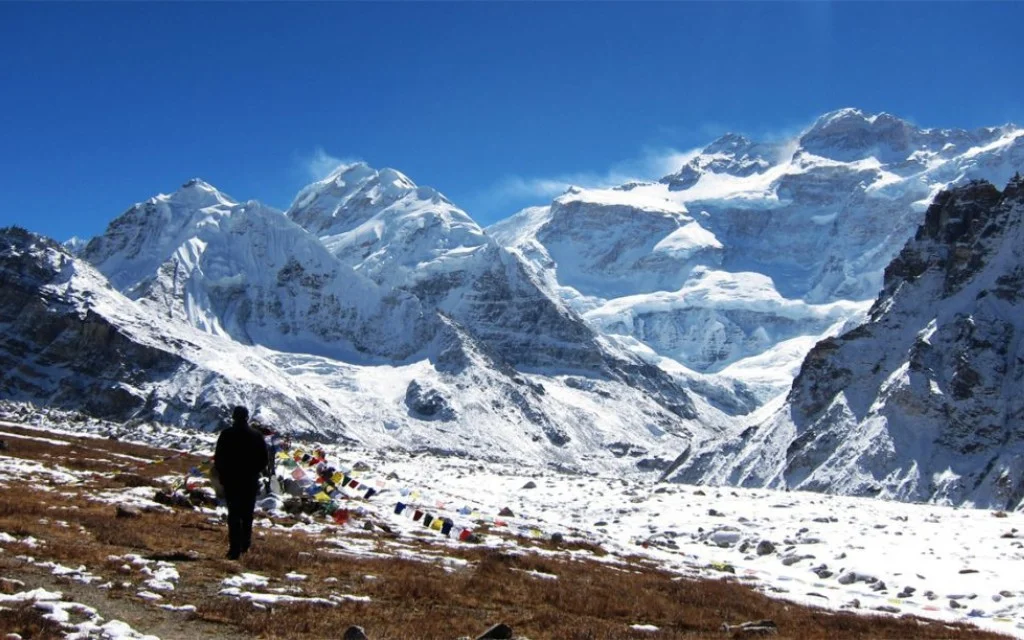
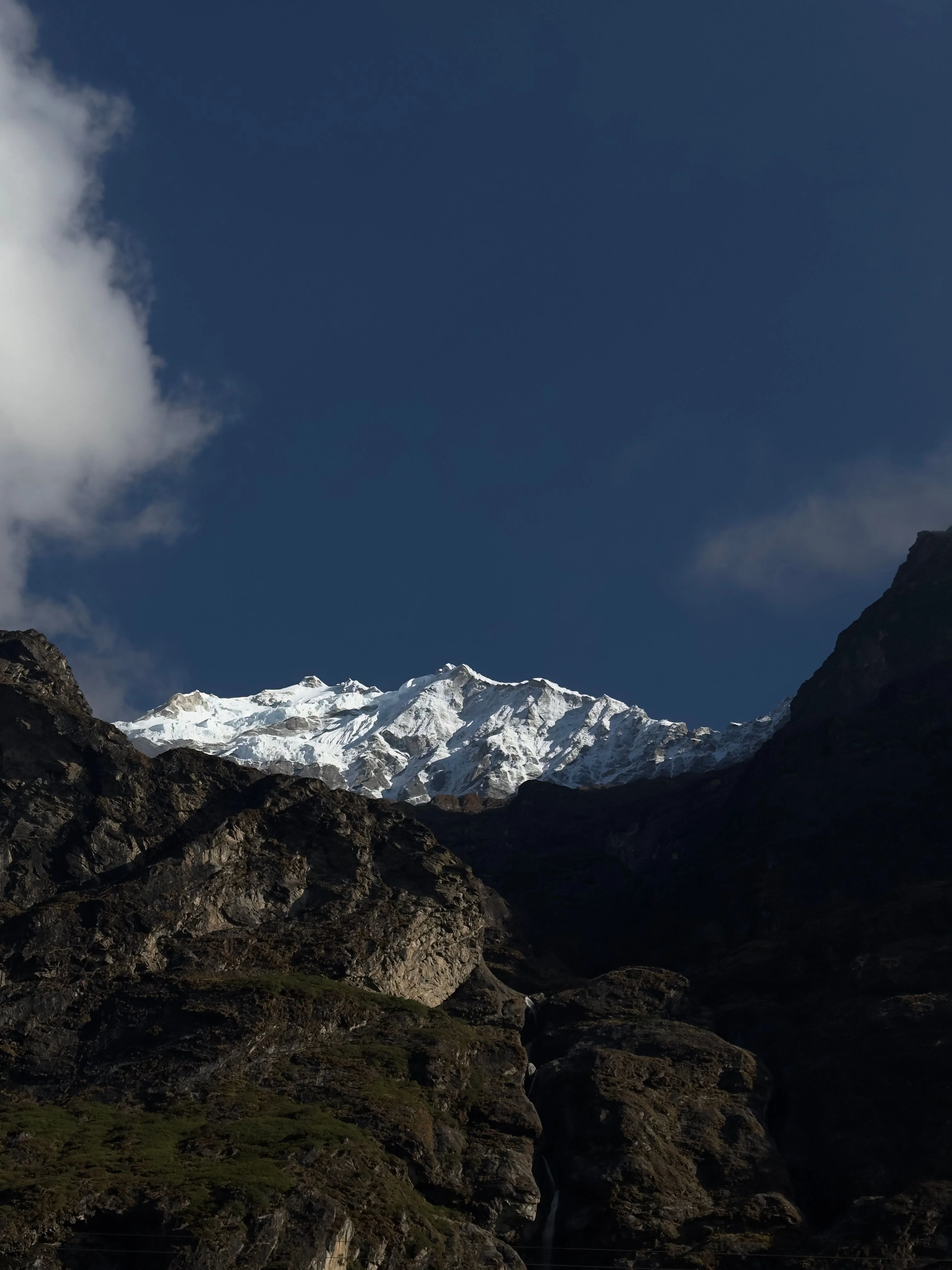
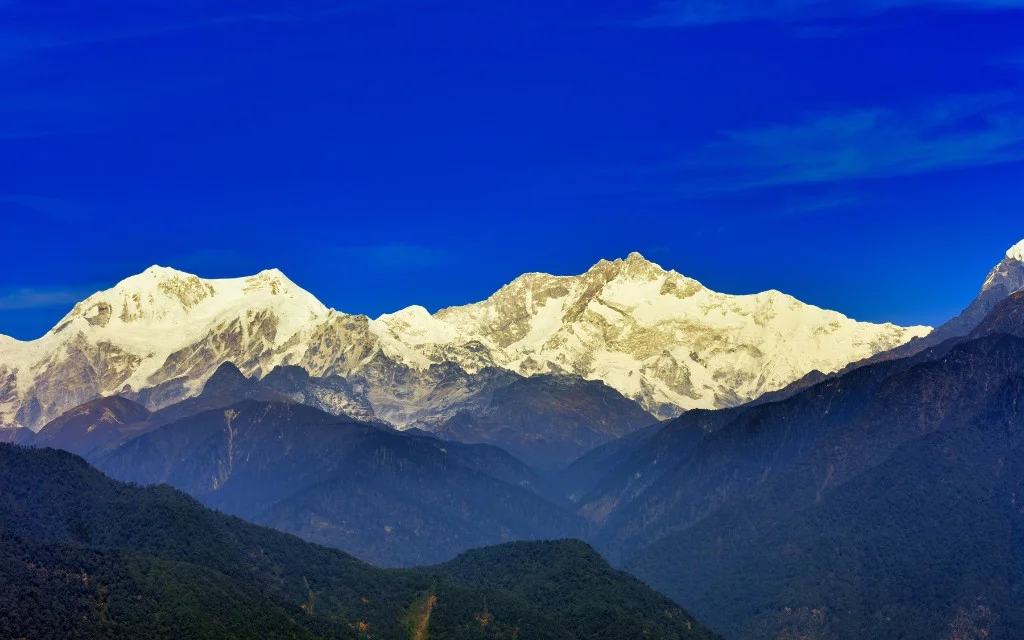
The remote Kanchenjunga Base Camp allows you to gaze at Mount Kanchenjunga, the world's third-highest peak, from its impressive north-facing side.
The adventure begins with a cool aerial journey across the Himalayas to Bhadrapur, which then leads to a beautiful car ride through tea landscapes and mountain and rural scenery, eventually reaching Taplejung, the trek's starting point.
The journey takes you through vegetation ranging from subtropical rainforests below to alpine pastures and glacier valleys, moraines, terraced agricultural slopes, and steep slopes.
Acclimatize during breaks in Kambachen and Ghunsa while admiring Himalayan peaks, including Jannu Himal, Phole Peak, and the entire glacier territory.
Spend time in Ghunsa to experience the distinct Tibetan cultural aspects, including Tibetan stone houses, mani walls, prayer flags, and local monasteries.
Experience the daily visual transformations from rainforest to snow agenda and conclude by descending into river valleys and crossing ethnic communities.
Climbers seeking an off-beaten path can discover Nepal's serene trail, which is popular with professional hikers and people who love nature.
Description Of Kanchenjunga North Base Camp Trek: 15 Days
The Kanchenjunga North Base Camp Trek is a spectacular Himalayan landscape as the route moves from mid-hill forest regions to alpine deserts covered in snow. You will go across rhododendron forests that have aged for centuries and through fields with terraced walls, bamboo groves, and glacial valleys beneath looming giant peaks that include Jannu and Kanchenjunga. The journey features dramatic natural scenes featuring clear rivers, ridges, and beautiful mountain views that transform according to altitude elevation changes. Red pandas, Himalayan tahr, snow pigeons, and blue sheep (Bharal) appear among the other wildlife that inhabit the higher elevation zones of the trail.
Due to its location in protected conservation territories, the journey requires official authorization from the Kanchenjunga Conservation Area Permit (KCAP) and Restricted Area Permit (RAP). Yeti Hikes will help you manage all required official documentation to eliminate the need to deal with casual offices or repetitive administrative procedures. The best seasons for the Kanchenjunga Trek are autumn (late September to November) or spring (March to May), as these periods offer stunning mountain views and clear weather conditions. Rivers remain accessible during stable weather these months, minimizing water-related dangers and snow or landslide risks.
The remote location features basic lodging facilities in which neighborhood families operate through tea houses that offer hot meals and comfy sleeping arrangements. Most regional constructions are basic facilities consisting of shared squat toilets, while some elite units include Western-style bathrooms and hot water amenities. The lodging facilities at Lonak and Kambachen offer challenging accommodations and stunning panoramic vistas adjacent to your accommodations.
Yeti Hikes provides professional guides and porters who accompany travelers throughout the trek to ensure safety and deep knowledge. The porters handle your heavier luggage because they enable you to walk the trail comfortably as mutual bonds develop between travelers. Thanks to their profound familiarity and sincere hospitality, the Yeti Hikes staff provides a distinctly unique Himalayan journey in the Kanchenjunga North Base Camp.
How does the Kanchenjunga North Base Camp Trek start and end?
The Kanchenjunga North Base Camp Trek starts with a Kathmandu to Bhadrapur flight, and the land trip from Taplejung begins. Following the road, you will reach Sekathum, where the actual trekking starts, and reach the quiet towns of Amjilosa, Gyabla, Ghunsa, and Kamabachen. You will then trek towards Lonak and the beautiful Kanchenjunga North Base Camp Trek. After a stunning view, you will trace your steps back to Kathmandu.
Taplejung is the primary access point for starting the expedition. Following a trip from Taplejung, the route leads to Sekathum, where the actual trekking starts. The initial part of the journey tracks river banks before entering forested areas. You progress to quiet towns, ascending daily through Amjilosa, Gyabla, and Ghunsa. The locations in this area remain peaceful and attractive. Compared to the beginning of the trail, the climb demands advanced skills, and you will find days available for acclimatization needs at higher elevations. Acclimatization days offer beneficial stretches to the body, which preserve your health throughout the mountainous terrain.
The path from Ghunsa progresses through Kambachen before arriving at Lonak, which exists as high and cold locations. After leaving Lonak, you will move to Pangpema, where you will be standing at the Kanchenjunga North Base Camp. Mount Kanchenjunga stands tall among many snowy peaks together with them from the base camp location. Your base camp stay ends the same day you visit Lonak.
After ascending to Pangpema, you will descend back. You will proceed down the identical trail visible from a new perspective. The journey continues by driving from Sekathum back to Taplejung before reaching Bhadrapur. Your return journey ends with a plane journey from the trekking location back to Kathmandu. The Kanchenjunga North Base Camp Trek leaves everlasting memories of nature scenes, cultural encounters, and thrilling experiences in your heart.
What is the best season for the Kanchenjunga North Base Camp Trek?
The best season for the Kanchenjunga North Base Camp Trek is spring (March to May) and autumn (September to November). Spring and autumn are ideal because they offer enhanced visibility while maintaining trail stability and allowing a complete connection with the Kanchenjunga region's culture. The Himalayas offer favorable conditions exclusively during two specific seasons that make the trek most suitable.
Spring (March to May)
The Kanchenjunga North Base Camp Trek achieves its best outcomes during the spring months. The trail becomes a beautiful vista when rhododendrons, orchids, and magnolias join the thriving green landscape that dominates this time. During daylight hours, the trekking becomes enjoyable due to mild temperatures, but nighttime temperatures stay pleasant enough to function. The morning skies remain clear to provide open views of Kanchenjunga, Jannu Himal, and other neighboring mountain peaks.
Autumn (September to November)
Autumn is a desired time frame for visiting this area since it brings dependable dry conditions. During the post-monsoon period, you can discover exceptional mountain views, as the dry conditions create incredibly clear vistas, and golden light creates a stunning environment around the rugged mountains. The path is stable, while forest vegetation appears new and vibrant, creating a delightful atmosphere throughout the area. Many trekkers experience both the natural beauty and cultural richness of Nepali festive celebrations, Dashain and Tihar.
What are the available accommodations during the Kanchenjunga North Base Camp Trek?
The accommodation facilities in the Kanchenjunga North Base Camp Trek varies from simple establishments to partially comfortable accommodations, which provide three primary services, including shelter, dining, and relaxation facilities, at the end of each walking day.
The accommodations may vary depending on the elevation level, isolation from populated areas, and local community development standards. Throughout its distance, the trail travels through populated areas and unoccupied alpine regions, determining the availability of teahouses, lodges, and tented camps.
Accommodations during the Kanchenjunga North Base Camp Trek
The Kanchenjunga North Base Camp Trek accommodations depend on altitude levels and specific locations. Most trekking areas on the trail operate teahouses and basic lodges, offering simple, functional accommodations for resting between daily walks. Trek accommodation usually has twin-sharing wooden bed arrangements with sanitary mattresses and sufficient blankets. Even though modest, these lodgings function as central facilities for trekking activities because they offer nourishing food service and friendly reception.
The popular villages of Ghunsa and Taplejung have lodges that offer better amenities than other regions on the trek. These facilities offer various dining options, including sheltered dining spaces equipped with space heaters and possible solar-powered shower access. The shared facilities for bathrooms and toilets at higher altitudes mainly consist of squat versions instead of Western toilet designs.
The journey towards Pangpema has tented camps and facilities instead of teahouses because these remote locations have no teahouses or seasonal availability. All group members rely on porters to transport their required equipment, and the guides ensure stable setup procedures for harsh weather conditions and rocky slopes. The tented camps provide mountain campers with an irreplaceable rustic environment that is especially memorable at nighttime.
Accommodations in Kathmandu
During your trek in Nepal, you will stay in convenient hotels throughout Kathmandu, typically in Thamel or its surrounding area. The services include /showers with private facilities, internet access, morning meals, and spaces for relaxation. You will have the chance to rest comfortably. The hotels found in the city conveniently enable visitors to reach all the cultural sites spread across Kathmandu. The hotels in Kathmandu are:
Thamel Park Hotel
Lo Mustang Hotel
Ramada Encore Hotel
Moonlight Hotel
Your hotel facility has one shared room with two-person accommodations and provides welcome and farewell dinners for guests. Each room contains a private enclosed bathroom featuring large screens and sufficient space for luggage storage. You can select a 4 or 5 star hotel at an additional rate for single accommodations.
What are the available food and beverages during the Kanchenjunga North Base Camp Trek?
The available food and beverages during the Kanchenjunga North Base Camp Trek are basic and simple yet nutritious. The options are limited and depend upon the accommodation you live in, the more higher you go, the simpler the food gets. The Yeti Hikes team ensures that your meals are both hygienic and filling throughout the journey.
Category | Options |
Breakfast | Tibetan bread with honey or jam Pancakes (plain, apple, banana) Toast with eggs (boiled, scrambled, omelet) Porridge (plain or with fruit) Chapati with curry or egg |
Lunch | Dal Bhat (rice, lentil soup, vegetable curry, pickle) Fried noodles with vegetables or egg Fried rice Thukpa (Tibetan noodle soup) Momo (in lower areas) |
Dinner | Dal Bhat (frequently served at night) Boiled or fried potatoes Simple pasta or noodle dishes Soup with rice or bread Seasonal vegetable curry |
Hot Beverages | Black tea Milk tea Ginger tea Lemon tea Butter tea Hot chocolate Instant coffee |
Cold Beverages | Bottled water Boiled/filtered drinking water Packaged fruit juices Electrolyte drinks |
What are the toilet and bathroom facilities during the Kanchenjunga North Base Camp Trek?
The toilet and bathroom facilities during the Kanchenjunga North Base Camp Trek are generally basic and rustic, especially as you ascend to more remote areas. In the lower regions, such as Taplejung and Ghunsa, you will find both squat or western-style flush toilets and hot bucket showers for an extra fee. In the higher regions like Kambachen, Lhonak, there are mostly squat toilets and the water may be limited.
Lower Regions (Taplejung, Mitlung, Ghunsa)
Most of the teahouses have simple squat toilets. However, the Western-style flush toilets are rare and found in the newer and more developed teahouses. The water supply will be limited so it is necessary to carry hygienic products as well. Some of the teahouses offer hot bucket showers for an extra fee. You may have gas or solar heated showers, but hot waters is not always reliable.
Higher Regions (Kambachen, Lhonak)
In the higher regions, you will mostly find the squat toilets in wooden or stone outhouses which you will share among the fellow trekkers. The water will be limited so you may need to use a bucket system to flush and clean. The hygiene products are recommended. Hot water becomes scarce. The showers are mostly unavailable or you may find one or two bucket of lukewarm water for an extra cost. You can use the sponge bathe or wet wipes to stay clean.
Campsites
In the lower regions, teahouses, there will be an option for camping in the designated spots. At Lhonak, the teahosues are basic and can be remote and cold. For stunning views as well, the tented camping can be preferred. In Pangpema (Base Camp), the teahouses are likely less available, therefore, camping is essential. You will have the wide, open glacial plain sight with panoramic views of Mt. Kanchenjunga.
Tips to Maintain Hygiene during the Kanchenjunga Base Camp Trek
Before meals and after toilet use, wash your hands with soap and water.
Carry a travel sized hand sanitizer with at least 60 % alcohol.
Carry toilet paper, wet wipes, and sanitary bags.
Pack biodegradable soap and small face toilet for quick sponge baths.
In the cold areas, wash your face, hands, feet, and underarms regularly.
Bring your own toothbrush, toothpaste and a small cup or bottle for rinsing.
For female hygiene, carry the necessary and enough sanitary pads, tampons, or menstrual cups, and a ziplock bag for waste.
Why trek to Kanchenjunga North Base Camp Trek?
The trek to Kanchenjunga North Base Camp delivers an expedition by offering Nepal's least-visited unspoiled territory. This trek differs from the Everest Base Camp or Annapurna Circuit Trek because it provides tranquility and unrivaled natural beauty for people seeking peace. The path takes you through thick forests and then across high alpine meadows before leading to typical villages until it finally shows the stunning northern aspect of Kanchenjunga, which ranks as the Earth's third tallest mountain. Achieving Pangpema Base Camp at 5,100 meters above sea level creates a feeling of outstanding achievement because it presents great peaks and massive glacial views.
The Kanchenjunga Conservation Area stands out with its two exceptional features: cultural diversity and an abundance of biological species. As you traverse the area, you will meet friendly locals of Limbu and Rai heritage, along with those of Tibetan descent, and encounter endangered native animals such as red pandas and Himalayan blue sheep. If you are seeking peaceful trails in dramatic settings and genuine historical interactions, you should seek the Kanchenjunga North Base Camp Trek, which provides one of the finest Himalayan trails.
Cost Breakdown for Kanchenjunga North Base Camp Trek
The Kanchenjunga North Base Camp Trek offers a flexible pricing structure. If you are trekking alone, you have to pay USD 1,625 for personalized services and logistics as part of the payment. The cost for each group member becomes lower when additional people join since expenses are distributed among multiple participants. The pricing of the trek experiences a reduction to USD 1,575 when two to five trekkers join, and it reaches USD 1,535 for groups of five to ten participants. Large trekking groups benefit from substantial savings with every additional member, where ten to twenty participants pay USD 1,505 each, and twenty or more people share the total cost of USD 1,475. The tiered pricing system provides Kanchenjunga region expedition seekers and organized trekking teams budget-friendly access to exceptional service quality.
Total PAX | Cost | Action |
1 pax | 1625 USD | |
2 to 5 pax | 1575 USD | |
5 to 10 pax | 1535 USD | |
10 to 20 pax | 1505 USD | |
20+ pax | 1475 USD |
Outline Itinerary during the Kanchenjunga North Base Camp Trek
Day 1: Arrival in Kathmandu
Day 2: Flight from Kathmandu to Bhadrapur and drive to Taplejung
Day 3: Drive to Sekathum
Day 4: Trek to Amjilosa
Day 5: Trek to Gyabla
Day 6: Trek to Ghunsa
Day 7: Acclimatization Day at Ghunsa
Day 8: Trek to Kambachen
Day 9: Acclimatization at Kambachen
Day 10: Trek to Lonak
Day 11: Trek to Pangpema (Kanchenjunga North Base Camp) and back to Lonak
Day 12: Trek to Ghunsa
Day 13: Trek to Amjilosa
Day 14: Trek to Sekathum and drive to Taplejung
Day 15: Drive to Bhadrapur and flight back to Kathmandu
Itinerary Of Kanchenjunga North Base Camp Trek: 15 Days
You will arrive at Tribhuvan International Airport, where Yeti Hikes' staff will welcome you and help you start the remarkable adventure. The staff will drop you at your designated hotel in the liveliest tourist center, with colonial shops mixed with historical shrines, Thamel, Kathmandu. When your check-in process finishes, you can unwind or walk short distances through Thamel's active market streets during your leisure time. You will spend the first day in Nepal's capital obtaining accommodation while taking the active city lifestyle.
A morning pickup at your hotel starts your domestic flight from the terminal to Bhadrapur. During your flight, you can have the spectacular aerial visibility of the Himalayas, revealing the adventures that lie ahead. After your plane lands at this eastern Nepal flatland location, a private vehicle organized by Yeti Hikes will meet you in Bhadrapur and drive you through the hills to Taplejung.
You begin ascending the road past tea estates with farmed terraces and minimal hill communities. Yeti Hikes provides comfortable service throughout this lengthy one-day drive that includes scheduled tea breaks and image-taking opportunities. During your journey you will feel the extensive change in topography since the temperature drops from hot lowlands to pleasant mountain air. You will reach the town of Taplejung, which sits elegantly on high ground during the nighttime. A comfortable lodge here will provide an excellent opportunity to rest before experiencing advanced remoteness.
Today, your journey will lead to Sekathum, where it initiates the true beginning of your trekking experience. The track transitions from wider roads into a bumpy path that descends through forests and displays beautiful villages and terraced valleys. On the way, you will see the traditional Limbu homes, together with waterfalls and river gorges, which indicate the start of your Himalayan expedition.
Upon reaching Sekathum the fast-flowing Ghunsa Khola embraces you as you are bordered by deep greenery and steep cliff faces. The small community serves as the passage to the untamed Kanchenjunga Conservation Area. Enjoy a hearty mountain-style dinner. Listen to the river sounds that will help you fall asleep as you look forward to the extended mountain trek the following day.
Walking on foot for your first day is challenging, combining steep paths against cliffs and dense bamboo forest passages. This terrain means going up steep inclines followed by steep drops, and you will experience a thrilling adventure crossing several suspension bridges. Walking alongside Ghunsa Khola, your guide will show you where red pandas live and which native birds inhabit the surroundings.
The trek stops at Amjilosa after six to seven hours of walking through the mountains until you arrive at this secluded settlement where Tibetan people live on the mountain ridge—basic yet inviting accommodation waiting at the lodges with arranged comfortable sleep arrangements and proper feeding services. You will finish your dinner while relaxing with some hot lemon tea and mountain sunset observation until night descends on the mountains.
The path today leads you higher through extensive rhododendron, oak, and pine forests that frequently develop misty conditions during the early hours. You will experience short uphill sections within the terrain yet many extended calm sections in which you can enjoy the Himalayan wilderness. Glacial stream crossings through wood bridges and encounters with yak caravans and local villagers are possible during your trek.
You will reach the peaceful village of Gyabla in mid-afternoon as it stands within an open valley surrounded by deep forests and steep hills. A pure Tibetan ambiance prevails throughout the village because locals hang prayer flags and stack carved mani stones near their houses. The evening brings tasty, satisfying food, which leads to a restful night.
The path from Gyabla to Ghunsa leads you across multiple environments, including forested hills, grassy meadows, and ridge points offering limited snow peak views. The elevation growth brings about vegetation sparseness, while yak herders become more visible. The Yeti Hikes team maintains steady movement throughout the day while providing enough stops for you to acclimatize and snap photographs.
You will reach Ghunsa in the afternoon to see stone houses lined up alongside the town as the community grows larger. Ghunsa is the biggest community in the valley and functions as a critical cultural center. You can spend time at the monastery meeting the local monastic community and enjoying time in front of a warm stove while resting within the teahouse. Meet with the locals and get to know the regional Tibetan Buddhist historical knowledge for a rich cultural experience.
Body adjustment to increased elevations requires rest and acclimatization. Following the breakfast meal, you will have an optional scenic hike to a viewpoint situated beyond Ghunsa. This hike lets you enjoy breathtaking views of Jannu Himal and surrounding ridge features. This active rest promotes blood circulation, so your body becomes better equipped for upcoming climbing challenges.
Ghunsa offers you the opportunity to walk through its roaming alleys and join local tea rituals, while the nearby river has small prayer wheels powered by hydroelectric energy. Ghunsa stands as a tranquil stop that sets itself among other memorable locations on the trek because of its calm ambiance and scenic landscapes.
The trek for today leads passionate trekkers into deeper mountain territory for a thrilling experience. The pathway stretches along the Ghunsa River, flowing northwards while crossing juniper forests together with rocky alpine slopes. The winding trails cross unstable land areas while the path constricts while tall mountain peaks rise on both sides. Jannu Himal shadows the landscape during most of the day because of its jagged mountain profile. The Yeti Hikes guide progress through these challenging areas very carefully to protect you while also giving space for everyone to experience the panorama of surrounding landscapes.
Kambachen is a small temporary settlement serving both herders and trekkers after you spend approximately 5–6 hours hiking. You will find simple and comfortable accommodation at the lodges which offers breathtaking views of snowy mountain ridges. You can spend evening time by starting a small fire to share stories from previous mountain adventures and local tales about the sacred mountains. The fresh air at this altitude creates a clear sensation that delivers an experience of pure isolation, which creates a deep sense of humility in every breath.
A complete acclimatization day is necessary because of the altitude at this elevation. Following your morning breakfast, you will have a short hike to Glacier Moraine above Kamabachen. You will have the best view of Kumbhakarna (Jannu), Phole Peak, and the Kanchenjunga massif's glacier flow. At this location, the rugged terrain closely resembles the moon's surface with its stone-covered landscape being freezing cold while producing deeply moving feelings.
After leaving the lodge you will find ample time to take a break or write in your journal and play cards along with your trek mates. The deliberate pace today allows your system to prepare for the last stages leading to base camp.
The path between Kambachen and Lonak traces an elevated alpine course while traversing glacial boulders through scenes that maintain their eternal quality. Every direction is blocked by snow-covered mountaintops, and complete silence dominates except for the noise of your footsteps and the occasional flight of ravens.
Lonak represents a lone settlement located on a broad glacial valley, enclosed by stone cliffs and sky and ice beyond. Beyond your window, Chang Himal and the wide Kangchenjunga Glacier create an unbelievable sight. Despite the extreme weather conditions, you can feel deep peace within Lonak. Tonight will bring rest and peace despite your excitement about your upcoming trek to the north base camp, which is the adventure's supreme achievement.
The highlight of the trek has arrived, as trekking to Pangpema will bring you to the Kanchenjunga North Base Camp. At dawn, you will hike into the distance over moraine fields, while glacial terraces appear as the awe-inspiring north side of Kanchenjunga emerges. Yeti Hikes monitors speed during the prolonged trek to the Pangpema base camp by continuously supporting every individual trekker.
From Pangpema's location, you will see the third-highest mountain in the world, which surpasses 5,100 meters in elevation. Many trekkers experience intense emotional responses at the location because their achievement blends with natural splendor and their great drive to succeed. As the day draws to its end, you will make your way from Pangpema to Lonak with enhanced spirits filled by the enthralling adventure. The hike back becomes easier due to the happiness of completing the journey to this legendary landmark.
Your journey returns to Ghunsa as you leave the base camp in the distance. Moving downhill through the rough territory unveils surprising environmental changes. It allows you to observe the expansive scenery and redevelop your awareness of the valleys and forests that you earlier climbed through. The physical difficulty remains while you experience inner relaxation because the most strenuous parts of the journey are finished.
Once you arrive in Ghunsa, the place feels like your childhood residence. The mountain pass offers several activities, which might include revisiting the monastery, engaging with familiar characters, or finding peace while basking in the sunlight and outdoor mountain breezes. At this point of the journey, you will find both accomplishment and relaxation before proceeding with the downward path.
The present day finds you returning through forests of pine and rhododendron as your journey continues downward. Moving forward, the pathway gives your legs lesser strain, but the journey remains long and needs focused attention during descents. You will traverse bridges that feel familiar and recognize local faces who might have encountered you during your uphill journey since they will welcome you with warm namastes.
You arrive at Amjilosa in the late afternoon to find a lodge that provides comfortable accommodation. Take comfort from your newfound light spirit and fresh recollections of beauty, and you arrange for a peaceful rest.
Your trek culminates by following forest paths and rocky staircases that lead you down to Sekathum, where you find the glacial river next to you. A denser atmosphere envelops the region while temperature increases to welcome visitors once more. A refreshing landscape of trees and bird calls creates an unexpected, comfortable change from the icy landscape and rocky rock faces of the high Himalayas.
You will then drive back to Taplejung, where the journey will take several hours until you reach your designated guesthouse after achieving true pride. During the evening, the you will have time to unwind together while eating dinner and then reminisce by exchanging memories that made the expedition so special.
Your journey starts with morning breakfast before embarking on the multi-hour picturesque road trip from Taplejung to Bhadrapur, which shows you terraced fields, hilltop settlements, and multiple green valleys. The return journey gives you plenty of time to think about everything while you leave behind the agricultural settlements toward the crowded lowlands. The downward slope of the road leads toward Bhadrapur, where tropical warmth starts replacing.
Board a flight at Bhadrapur to fly back to Kathmandu while your window reveals one more view of the Himalayan mountains. Yeti Hikes staff will wait at the landing site to provide hotel transfers before treating you to an end-of-trip dinner in the city. The farewell dinner is the right moment to celebrate your conquest and brainstorm plans for your future Himalayan expedition.
What's Included In Kanchenjunga North Base Camp Trek: 15 Days
Included
Airport Transfers: Pick-up and drop-off at Tribhuvan International Airport.
Domestic Flights: Round-trip flight between Kathmandu and Bhadrapur.
Ground Transportation:
Private Jeep from Bhadrapur to Taplejung and return.
Jeep transfers to and from Sekathum.
Accommodation:
2 nights in a standard hotel in Kathmandu with breakfast.
Teahouse/lodge accommodation during the trek.
Meals:
Three meals a day (breakfast, lunch, and dinner) during the trek.
Complimentary welcome/farewell dinner in Kathmandu.
Permits & Fees:
Kanchenjunga Conservation Area Permit (KCAP)
Restricted Area Permit (RAP) for Kanchenjunga region
TIMS (Trekkers' Information Management System) card
Guide & Staff:
Experienced, English-speaking licensed trekking guide
Porter service (1 porter for every 2 trekkers)
Staff insurance, accommodation, and meals
Trekking Equipment:
Sleeping bag and duffel bag (to be returned after trek)
First aid kit carried by the guide
Government Taxes & Service Charges
Excluded
International Airfare
Nepal Visa Fee
Travel Insurance (compulsory – must include emergency evacuation)
Meals in Kathmandu (except breakfast and welcome/farewell dinner)
Personal Expenses:
Snacks, bottled drinks, and alcoholic beverages
Hot showers and battery charging in teahouses
Internet and Wi-Fi access along the trail
Tips for guide, porter, and driver
Extra Accommodation or Services:
In case of early return or flight cancellation
Any Additional Costs:
Caused by natural disasters, weather conditions, or other unforeseen events
Additional Information Of Kanchenjunga North Base Camp Trek: 15 Days
What are the required documents and permits for the Kanchenjunga North Base Camp Trek?
The required documents and permits for the Kanchenjunga North Base Camp Trek are the valid passport and visa with Kanchenjunga Restricted Area Permit and Kanchenjunga Conservation Area Entry Permit. The travel insurance is strongly recommended and mandatory to carry. You need to keep both the physical and digital copies of the documents and permits.
The documents and permits for the Kanchenjunga North Base Camp Trek are:
Kanchenjunga Restricted Area Permit (RAP)
The RAP is issued by the Nepal Immigration Office.
You must be in a minimum group of two trekkers.
Cost:
USD 20 per person/ week (for the first 4 weeks).
USD 25 per person/ week (after the first 4 weeks).
Kanchenjunga Conservation Area Entry Permit (KCAP)
It is issued by the Nepal Tourism Board (NTB), in Kathmandu or Pokhara.
It is required for the conservation and maintenance of the protected region.
Cost:
For Nepali Citizens: USD 0.73
For SAARC Citizens: USD 3.65
For Foreigners: USD 14.60
Passport and Visa
You will need a passport with a validity of at least 6 months.
You must have a valid tourist visa for Nepal, which you can obtain on arrival at Tribhuvan International Airport (TIA) or apply online.
Travel Insurance
The copy of travel insurance is recommended and mandatory due to the trek's remoteness, altitude, and limited access to emergency services.
If you need any other information related to the permits, you can check our trekking permit and entry fee page.
Travel Insurance for the Kanchenjunga Base Camp Trek
Due to the trek's remoteness and altitude, the travel insurance is strongly recommended for the Kanchenjunga North Base Camp Trek. You will need travel insurance in case of emergency evacuation, medical and hospitalization and even trip cancellation or delay. Some of the insurance policies will cover the cost of lost or stolen gear or luggage as well.
Why do you need Travel Insurance?
Altitude Risk
The trek reached the 5,100 m in Pangpema, where altitude sickness/ risk can occur.
Emergency Evacuation
Altitude sickness can result in emergency evacuation by helicopter.
Medical Coverage
The medical coverage covers the case of injury, illness, or accidents on the trail.
Trip Cancellation
Due to unforeseen circumstances, the trip can be cancelled or delayed.
Lost Baggage/ Equipment
Trekking equipment and baggage can be expensive, whether you plan to buy it or rent it.
What should travel insurance cover?
Emergency Helicopter Evacuation: The base camp trek reaches the height of 5,100 m which can result into altitude sickness or any serious medical condition, which can result in emergency helicopter evacuation. The trekking area is isolated and the medical services are comparatively low therefore, the emergency helicopter evacuation is needed. It can be really costly and the travel insurance will help you cover the cost related to the helicopter evacuation.
High Altitude Trekking: The trek reaches a high altitude and you may face various difficulties along the journey. The travel insurance should have coverage of at least 5,100 m.
Medical and Hospitalization: The trails along the way are isolated, and you will be walking for hours. You may face many health difficulties which can result into serious medical and hospitalization. Hence, the travel insurance can help you cover the cost.
Trip Cancellation/ Delay: During the whole 15 days of the Kanchenjunga Base Camp Trek, you may face many problems of illness, family emergencies, or political disruptions which may result to the trip cancellations and delay. The travel insurance will help to cover up the cost of cancel or postponement of your trek.
Lost/ Stolen Gear or Baggage: You will be carrying expensive gear, like boots and down jackets, as well as trekking poles and other gear. If your trekking gear or baggage gets lost or damaged during the trek, the transport will help you to reimburse the cost.
Acute Mountain Sickness (AMS) during the Kanchenjunga North Base Camp Trek
Acute Mountain Sickness (AMS) is the condition of harmful effects of high altitude, especially if you ascend too quickly without proper acclimatization. The Kanchenjunga North Base Camp Trek reaches an elevation of 5,100 m at Pangpema, the base camp. In this height you will be prone to the AMS because of the rapid exposure to low amounts of oxygen at high elevations. You can prevent severe symptoms, but it's essential to pay attention to your physical condition. You should not dismiss and always talk about the symptoms to your guide and the team member.
What are the symptoms of Acute Mountain Sickness (AMS)?
Common Symptoms of AMS (mild to moderate) are:
Headache is the first and most common symptom.
You will start to feel weak and face nausea or actually throwing up (vomiting).
You will feel lightheadedness or a spinning sensation.
Even after a full day of trekking, you may not feel hungry, which is loss of appetite.
Although you are resting, you will be unusually tired or sleepy.
You may face puffy hands or feet, although they are less common, and even shortness of breath, especially when walking or climbing slowly.
The severe symptoms of AMS (requiring immediate descent) are:
Severe Symptom | Warning Sign |
Persistent, severe headache | Not relieved by rest or medication |
Confusion or disorientation | Acting strangely, difficulty answering questions |
Difficulty walking | Loss of coordination, staggering gait |
Shortness of breath at rest | Cannot catch breath even when sitting/lying |
Blue lips or fingertips | Lack of oxygen |
Wet cough or chest tightness | Possible fluid in lungs (HAPE) |
Note: The severe AMS symptoms may indicate the High Altitude Pulmonary Edema (HAPE) that causes fluid to collect in your lungs. It may also be the High Altitude Cerebral Edema (HACE), where the brain swells due to a lack of oxygen.
What to do if you feel the symptoms of Acute Mountain Sickness (AMS)?
You should always inform your guide and fellow team members if you notice the symptoms of AMS. The experienced guides will help you take the right steps promptly.
You should not go higher if you ever experience symptoms like headache, nausea, or dizziness. You should rather rest at your current altitude and monitor your body for the next 24 to 48 hours.
Do not panic. You should take it rest, take a lot of rest, and hydrate your body. Drink plenty of water, avoid smoking, and alcohol. The consumption might worsen the symptoms.
Take medication if recommended. Do not take any medicines without consulting a doctor or a guide.
If the symptoms gets severe, you need to seek for the emergency helicopter evacuation. You need to make sure of the travel insurance covers the high altitude evacuation.
How difficult is the Kanchenjunga North Base Camp Trek?
The Kanchenjunga North Base Camp Trek is challenging and isolated due to its high altitude. It is suitable for experienced trekkers, but beginners can also be able to trek with strong determination and proper preparation. Anyone with good fitness can trek with guided support team. Yeti Hikes will help you throughout the trek. The guides and porters will deliver you complete safety and comfort during your entire trek.
Difficulty Level: Hard
The Kanchenjunga North Base Camp Trek is difficult because of its terrain, challenging paths, and isolated region. You will have to trek for 6 to 8 hours daily on steep slopes along uneven trails and rocky terrain to reach your specific day destination. The highest point is at Pangpema (5,100 m), which makes it prone to altitude sickness and physical fatigue. The area lacks accessible roads and hospital facilities, and there are no shortcuts or simple exit routes. It is a journey of intense exploration.
Altitude and Acclimatization
Altitude stands out as the main obstacle to the trek. It takes around seven days for the trail to ascend from Taplejung, at 1,400 meters above sea level, to heights above 5,000 meters. Exceeding three days at elevations above 3,000 meters heightens the possibility of sufferers developing Acute Mountain Sickness (AMS). Even during rest days, some trekkers experience symptoms like headaches, nausea, or fatigue. Staying hydrated will help prevent AMS symptoms, so inform your guide about these symptoms.
Infrastructure and Isolation
The facilities provided by lower-village teahouses are basic, but the higher elevations feature very simple accommodations without water supply, heating systems, or electricity. During the trek, there is no Wi-Fi service or mobile data, and the meals keep repeating, thus creating a genuine Himalayan mountain experience. Due to remoteness, rescue missions, supply transports, or urgent medical assistance require longer organizing time. You must have adequate preparation with proper equipment and operate with professional guides and porters for essential logistics management, navigation, and healthcare security.
Trail Conditions
The path includes environmental challenges, including steep stone staircases, narrow ridges, landslide areas, icy pathways, and exposed cliff sections. You will find slippery terrain, unstable rocks and snow areas, wooden bridges, and suspended bridge sections for river crossings. The trail combines physical exhaustion and technical challenges and becomes most challenging to people unfamiliar with uneven surfaces. During specific sections, you need to climb and descend more than 1,000 meters of elevation, which puts strain on both knees and breathing. After the monsoon season and during initial periods of snow conditions, trails easily become hazardous. Walking poles, reliable boots, and physical conditioning are crucial for maintaining balance during terrain activities because they decrease the chance of bodily harm.
Guides and Porters
With Yeti Hikes' guide, the Kanchenjunga North Base Camp Trek is safe and successful. They have extensive experience in managing mountainous environments, weather conditions, and altitude-specific medical needs. They have a better understanding of the optimal trails while maintaining health observation of trekkers and delivering fundamental advice for safe, high-mountain traversing. The porter team at Yeti Hikes consists of Sherpa climbing specialists and high-altitude porters who possess the necessary strength and preparedness for working in mountain altitudes. We provide you peace of mind since our expert team members ensure safety and comfort throughout the journey.
Alternative Trek beside Kanchenjunga North Base Camp Trek
If you are looking for an alternative to Kanchenjunga North Base Camp Trek, you can find many beyond and within the region itself. You have various trekking options throughout the Himalayan Regions of Nepal. Some of the alternatives of the Kanchenjunga North Base Camp Trek are:
Everest Base Camp Trek
A wonderful trekking experience that stands out is the Everest Base Camp journey that leads you to Mount Everest's base camp. The trek features Sherpa cultural landmarks, including Namche Bazaar and the Tengboche Monastery alongside Kala Patthar, which provide remarkable Everest observations. The route contains multiple well-organized teahouses alongside improved infrastructure and offers exciting aerial travel from Lukla alongside a significant adventure-seeking experience. You can even experience the Everest Base Camp Short Trek for 12 days.
Langtang Valley Trek
If you seek natural beauty, you should explore the Langtang Valley Trek, north of Kathmandu city. The trek is less demanding than Kanchenjunga while providing panoramas of fantastic mountains, Tamang cultural vibrancy, and wildlife opportunities to see red pandas within the Langtang National Park. Along with a few other hikers, the trek provides excellent mountain views, although it offers a short route close to Kathmandu.
Annapurna Base Camp Trek
The Annapurna Base Camp (ABC) Trek templates both natural exploration and cultural exploration. Conducting its journey, the trail crosses rhododendron forests while visiting enchanting Gurung villages until it arrives at a breathtaking natural theatrical setting of enormous peaks, including Annapurna I and Machapuchare. The trekking experience offers moderate physical demands, multiple lodges, and traditional local food services down the trail.
Kanchenjunga South Base Camp Trek
If you wish to visit the southern side of Mount Kanchenjunga, you should consider the Kanchenjunga South Base Camp Trek. After visiting Yamphuding and Tortong villages, the trail carries travelers through stunning environments to reach Oktang for its viewing spot of the South Base Camp. The area offers spectacular views of Kanchenjunga, Yalung Kang, and the ice fields in the surroundings. Although less subjective than north access, the southern Kanchenjunga Base Camp Trek has tranquil trails and traditional Sherpa and Limbu village cultures. Staying in this area becomes attractive for individuals who want shorter and less demanding trekking experiences.
Kanchenjunga Base Camp Trek
If you want to experience an exhaustive exploration of this region, you should embark on the Kanchenjunga Base Camp Circuit Trek, which merges both the North Base Camp and the South Base Camp. The Kanchenjunga Base Camp Circuit Trek ranks as Nepal's most challenging excursion due to its approximately 20–24 day duration. Pangpema (North Base Camp) and Oktang (South Base Camp) exist as part of this route, which requires crossing a demanding mountain pass between them. You can experience the whole Kanchenjunga environment as this expedition leads through diverse natural sites within the Kanchenjunga Conservation Area.
How should trekkers prepare for the Kanchenjunga base camp trek?
Category | Preparation Details |
|---|---|
Fitness Training | - Start at least 8–10 weeks prior |
Altitude Preparation | - Practice treks above 3,000m if possible |
Permits & Documents | - Restricted Area Permit (RAP) |
Gear Checklist | - Trekking boots (broken-in) |
Medical Supplies | - First-aid kit |
Food & Hydration | - Carry energy bars/snacks |
Mental Preparation | - Expect long walking days (6–8 hrs.) |
Guides & Porters | - Hiring a local guide is mandatory (government rule) |
Best Time to Trek | - Spring (March–May) |
Insurance | - Trekking insurance covering high-altitude evacuation |
Gear List Of Kanchenjunga North Base Camp Trek: 15 Days
Clothing
Base Layers
Thermal tops and bottoms (for warmth at night).
Moisture-wicking t-shirts (2-3, quick-dry fabric).
Lightweight trekking pants (convertible into shorts if possible).
Insulating Layers
Fleece jacket or sweater.
Insulated down jacket (for colder nights and higher altitudes).
Outer Layers
Waterproof and windproof jacket.
Waterproof pants.
Hiking Socks
Wool or synthetic socks (3-4 pairs).
Liner socks (optional, to prevent blisters).
Accessories
Hat (for sun protection).
Beanie or warm hat (for higher altitudes).
Buff or scarf (to protect against wind and dust).
Gloves (both lightweight and insulated if possible).
Footwear
Hiking Boots
Sturdy, waterproof trekking boots (well-broken-in).
Camp Shoes
Lightweight sandals or camp shoes for resting in the evenings.
Backpacks
Daypack (20-30L)
For essentials like snacks, water, and rain gear.
Duffel Bag (if using porters)
You may need a duffel for the bulk of your gear if you’re hiring porters.
Trekking Gear
Trekking Poles
Helpful for balance and reducing stress on knees.
Sleeping Bag
Rated for temperatures below freezing (around -10°C/14°F).
Water Bottles
Reusable bottles or a hydration bladder (2-3 liters capacity).
Water Purification
Tablets, drops, or a portable filter to avoid purchasing bottled water.
Headlamp
With extra batteries (essential for early starts or evening walks).
Sunglasses
UV protection to safeguard against strong sunlight at altitude.
Trekking Map and Compass
Optional, but can help you follow along with the route.
Toiletries
Sunscreen (SPF 50+)
Lip Balm (with SPF)
Toilet Paper
Wet Wipes
Hand Sanitizer
Biodegradable Soap/Shampoo
Toothbrush and Toothpaste
First Aid & Medication
Personal Medication
Bring a sufficient supply of any prescribed medications.
Basic First Aid Kit
Painkillers, blister care (like moleskin), band-aids, and antiseptic cream.
Altitude Sickness Medication
Such as acetazolamide (consult your doctor before taking).
Snacks and Energy Foods
High-Energy Snacks
Protein bars, nuts, dried fruit, chocolate, or energy gels for extra fuel on the trail.
Electronics
Camera/Phone
For capturing memories.
Portable Charger/Power Bank
Charging points may be scarce and expensive.
Spare Batteries
Cold weather can drain batteries quickly.
Miscellaneous
Money
Carry enough cash for food, charging, and tips in remote areas.
Trekking Permits and Passport Copies
Ensure you have copies of your TIMS and KCAP permits, as well as your passport.
Small Locks
For your bags.