Helambu Short Trek - 5 Days
 in TripAdvisor
Recommended by 99% of travelers
in TripAdvisor
Recommended by 99% of travelers
AI Overview & Key Expedition Facts
Curated by Yeti Hikes Sherpa Intelligence
To embark on the Helambu Short Trek, travelers must secure a valid passport with a Nepal tourist visa, a Trekkers Information Management System card, and a Shivapuri National Park or Langtang National Park entry permit. Although the maximum elevation is relatively low and the risk of acute mountain sickness is minimal, participants should still possess a moderate level of physical fitness, cardiovascular endurance, and the ability to handle daily walking distances across uneven terrain. Mental resilience for basic teahouse accommodations and a positive attitude toward mountain conditions will ensure a safe and deeply rewarding trekking experience.
Overview Of Helambu Short Trek - 5 Days
- Region
- Langtang Region
- Destination
- Nepal
- Max Altitude
- 2,530 m/8,301 ft
- Activity
- Trekking in Nepal
- Duration
- 5 days
- Group Size
- 1-20+
- Best Season
- Late Sep-Nov and Feb-May
- Accommodation
- Tea house/lodge
- Meals
- Breakfast + lunch + Dinner
- Transportation
- Private/Shared Vehicle
Highlights Of Helambu Short Trek - 5 Days
A short and accessible trek near Kathmandu, perfect for those with limited time.
Explore the rich heritage of the Hyolmo and Tamang communities, known for their unique Tibetan-influenced traditions.
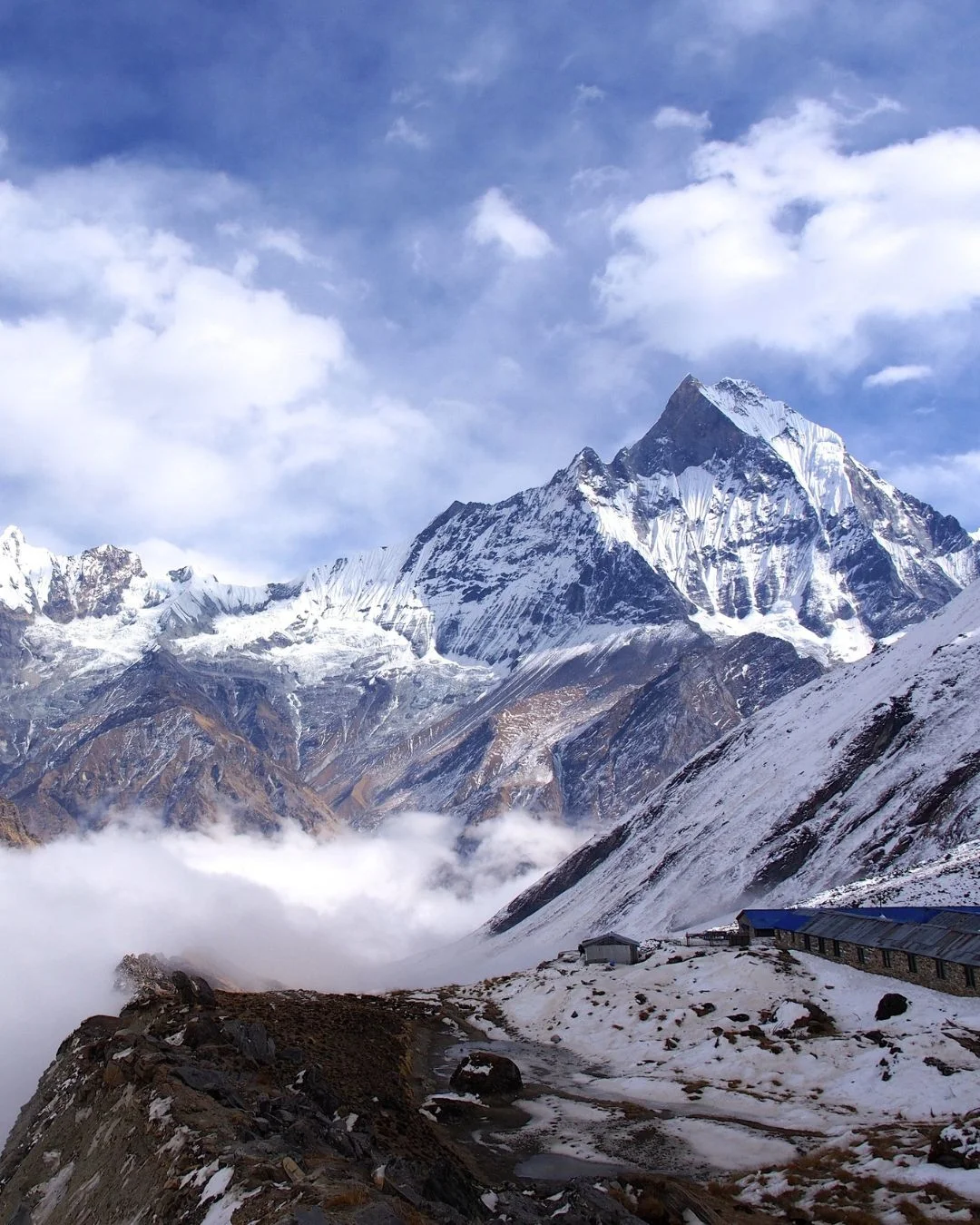
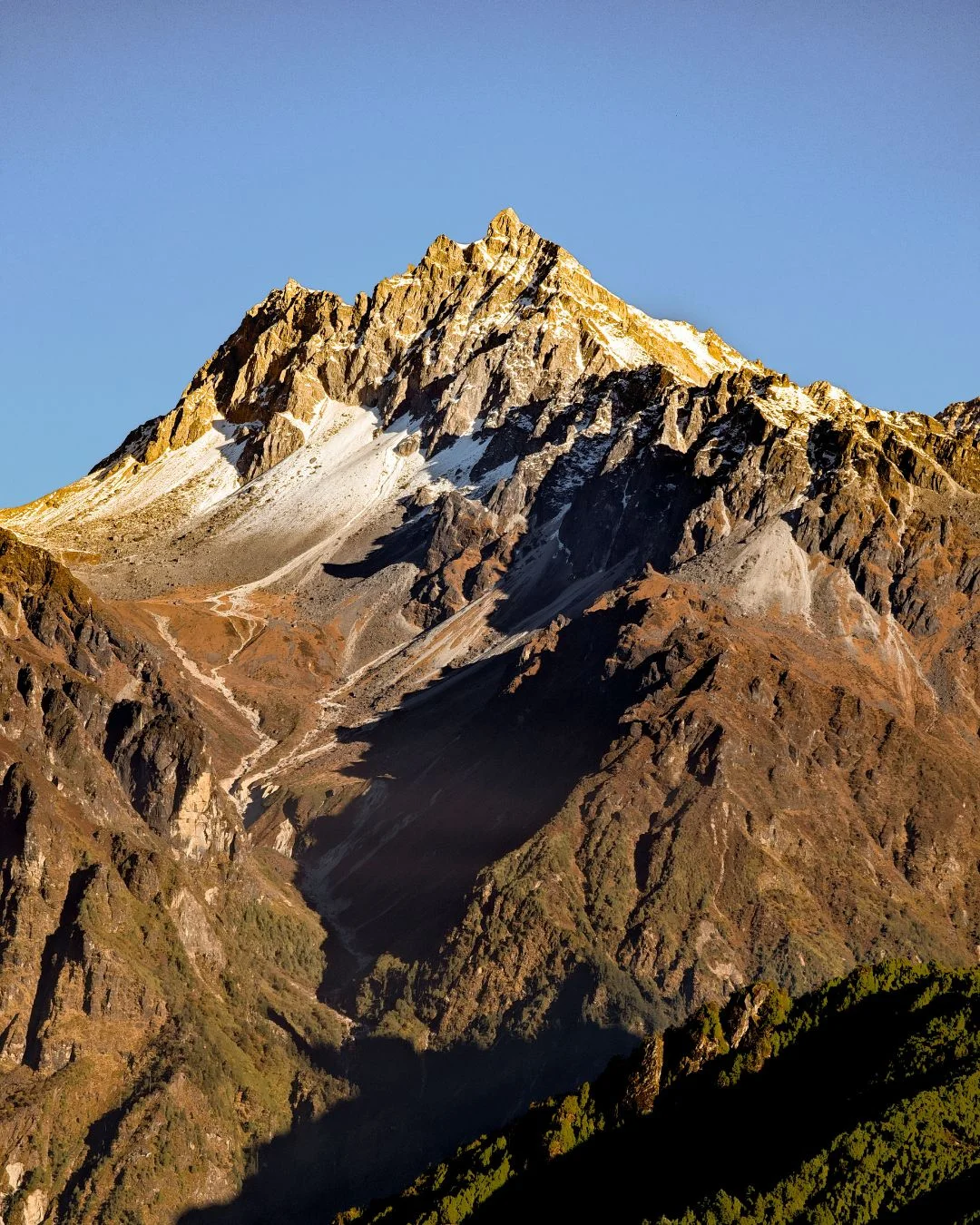
Experience breathtaking views of the Langtang, Jugal, and Ganesh Himal ranges, along with lush forests, terraced fields, and serene hilltop villages.
Walk through Shivapuri National Park and rhododendron forests, with opportunities to spot diverse bird species and wildlife.
Visit Buddhist monasteries, stupas, and prayer wheels, adding a spiritual touch to the journey.
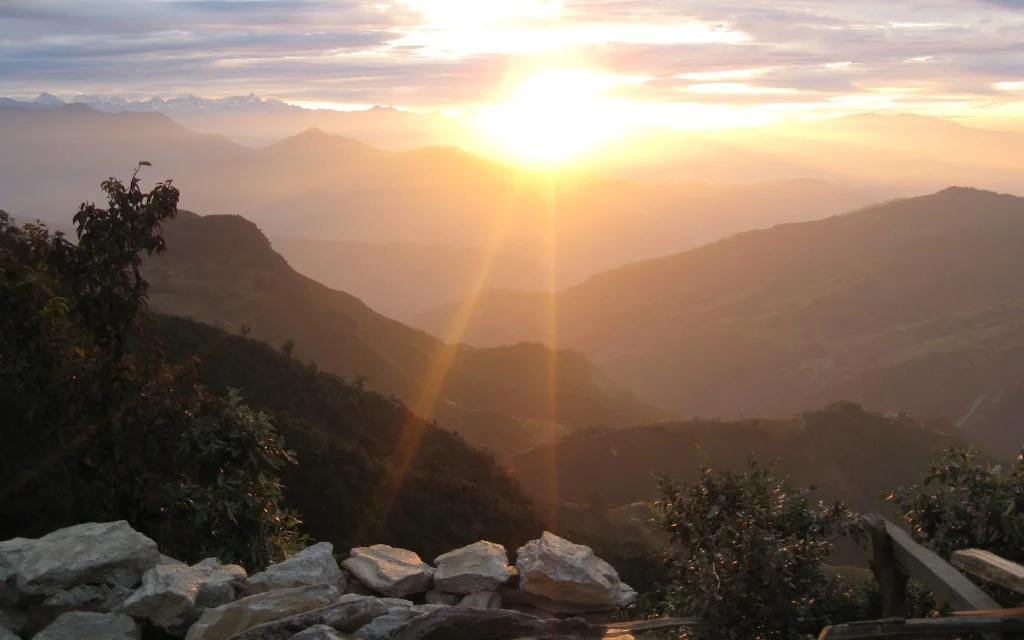
Sunrise and sunset vistas from Chisopani and Tharepati offer spectacular Himalayan panoramas.
Ideal for beginner and intermediate trekkers, with manageable trails and no extreme altitudes.
Enjoy warm hospitality in traditional lodges and homestays while savoring local Nepalese cuisine.
Best trekking seasons bring vibrant rhododendron blooms in spring and clear skies in autumn.
Compared to other treks in Nepal, Helambu offers peaceful paths and tranquil surroundings.
Description Of Helambu Short Trek - 5 Days
Helambu Short Trek in the Langtang region is a trekking destination from Kathmandu best known for its cultural and natural sightseeing. This ride starts with a 12 km drive to Sundarijal, ascending through beautiful forests and terraced hill fields of Shivapuri National Park. The trail passes through colourful settlements of the Hyolmo and Tamang people; you'll be blessed with an opportunity to preview their cultural setup.
The trek progresses gradually, passing magnificent views of Langtang, Jugal, and Ganesh Himal and the promises of pleasant sightseeing on a terrace of rhododendrons, waterfalls, and crystalline rivers. During the journey, beautiful sightseeing sites such as Chisopani, Tharepati, Sermanthang, and so on offer breathtaking views of the sunset or sunrise. Favourably situating the park with moderate climate and altitude helps accommodate amateur and professional hikers.
In Melamchi Pul Bazar, the trek is a perfect combination of cultural and visual pleasure and a shade of spirituality. Perfect for travellers who want to experience a short but sweet journey into the Himalayas, the Helambu Trek is packed with natural beauty and cultural richness in just 5 days!
How does the short Helambu trek start and end?
The short 5-day Helambu trekking itinerary starts from Kathmandu. You'll have to drive a short distance to a quiet village on the fringe of the valley, Sundarijal, from where the walk into Helambu gets underway. The walk ascends through the Shivapuri National Park to the first stop in this trek, Chisopani. The refreshing first day is set along scenic forest pathways, cascading waterfalls, and distant mountain vistas.
On its course, typical villages will appear, such as those at Tharepati and Sermanthang, offering an opportunity to immerse in the local culture firsthand and enjoy views of the Langtang and Jugal Himal ranges from viewpoints. The trail wanders through rolling hills and terraced fields, leading amidst rhododendron forests, with great scenic beauty and cultural appeals combined.
A small town perched by the side of the Melamchi River, and this becomes the end of the whole trek. Drives are then made on a wonderfully scenic route toward Kathmandu, enabling time to reflect on the memories that varied landscapes, colours, and great culture bring forth in front of you. Helambu trekking in the Langtang region is a short and sweet break from city life!
What is the best season for the Helambu trek of 5 days?
The best season for the 5-day Helambu trek is either Spring (March-May) or Autumn (September-November). The ideal time to hike the Helambu Trekking depends on your particular preferences, but it doesn't matter if you're interested and willing to take chances. However, we believe that spring or autumn are the finest seasons for this walk because of the favourable weather and temperatures that make travelling throughout Nepal worthwhile.
Spring (March- May)
Moderate temperatures between 15°C and 25°C (59°F and 77°F) allow for the rapid growth of vegetation, including rhododendrons, magnolias, and other alpine blooms, as well as increased wildlife activity, including the chance to see the Himalayan Monal and a variety of butterflies. You'll be able to observe seasonal livelihoods, farming methods, and native festival festivities (Dashain, Tihar). In addition, the trails are usually available during this time of year; however, there may be minor rain. However, snow may still be present at higher elevations, so wearing the right equipment is crucial to staying dry.
Autumn Autumn (Sept- Nov)
With post-monsoon dryness and little precipitation, autumn trails are less likely to be slippery. With temperatures between 15°C and 25°C (59°F and 77°F), there will be plenty of sunshine and long daylight hours. You can see peaks like Langtang Lirung, Ganesh Himal, and many more, and you might even see important Tibetan Buddhist festivals like Loshar.
What are the available accommodations during the short Helambu trek?
Depending on the altitude, location, and budget, lodging options for the Short Helambu trek range from simple and conventional tea houses and lodges to more upscale and pleasant guesthouses.
Tea houses, guesthouses, and lodges with basic amenities for comfortable accommodations and regular trekking fare, including Nepali cuisine like soup, noodles, and Dal Bhat, are to be expected along the way.
What are the toilet/bathroom facilities during the Helambu Trek?
The Toilet/ Bathroom facilities during the Helambu Trek depend on the altitude and accommodation you’re undertaking. Most teahouses have small but functional adjacent restrooms with running water at higher elevations. However, you can use the shared buckets and squat latrines in a typical teahouse.
In lower altitudes, you can find both western and squat-style toilets, which are commonly relatively clean and have water available for washing places. There are private bathrooms with hot shower services; this is either solar or gas heated, attracting an extra charge. Also, there are basic facilities for the shower, such as a bucket of water, to allow for the most basic cleaning during the trek.
However, such services are limited at higher altitude areas due to harsh terrains and deep distances. Few are flushable toilets; more common are the pit types, and often, the cleanliness isn’t desirable, so you use a bucket to flush the toilets. If even available, the shower will come with only a bucket full of water. You must be willing to rough it out and expect fewer luxury and creature comforts. Because of this, it is advised to bring personal amenities like sanitiser and wet wipes.
How much secure is it go on the Helambu Trek?
The Short Helambu Trekking is safe and enjoyable but quite unpredictable. First, the Yeti Hikes team advises beginning your journey early in the pre-monsoon season, which runs from March to the end of May. The post-monsoon season, which runs from September to mid-November, is the second-best time of year.
Acute Mountain Sickness (AMS) comes in second. To reduce it, one needs to be aware of her body and recognise the symptoms, such as headaches and lightheadedness.
Because the trekking paths are remote, they should be easier to transfer. You should always have a First-Aid kit on hand. There are more inevitable injuries and life-threatening problems, but joint injuries are common and may be treated with first-aid equipment. Therefore, travel insurance is necessary due to the distance in locations and limited medical services.
Finally, to provide additional security and assistance throughout your journey, Yeti Hikes assigns knowledgeable guides and porters. In the field, they can help guide you to the location or handle any incident that may occur while hiking. Since communication is nearly tricky in these places, you should bring a satellite phone or GPS gadget so that you may call for assistance in an emergency. The Helambu adventure will be as safe and enjoyable as it can be with these precautions in place.
Phones and Internet Availability during the Helambu Trek
During the Helambu trek, phone charging and internet availability are rare. Many teahouses offer additional paid services as you go along, and while these are efficacious and can offer flexibility, they are expensive. Hence, it is wise always to have a high-capacity portable battery charger. You should keep the best cables and adapters you require. If there is no need for them, dim the screen and close all the tabs that consume a lot of battery. These items can be purchased in Kathmandu or carried along for trekking. Staying connected requires choosing the right mobile service provider and internet packages.
These are some of the following options available:
Local SIM Cards: You can easily purchase local SIM cards around airport areas and shops, but you'll need to present a passport copy and a passport-sized photo.
Popular and Roaming Packages: Ncell, NTC, and Airlink SIM provide packages. If you prefer to keep your home SIM, get help from your guide for international roaming packages. However, roaming charges can be expensive.
Pocket Wi-Fi Rentals: You can rent or buy a portable Wi-Fi device in Kathmandu. This device provides internet access for multiple devices.
Yeti Hikes Pvt. Ltd will provide you with a free SIM card, but you must cover the cost of data packages yourself.
Cost for Helambu Short Trek
The Helambu Short Trek cost varies according to the size of the group. The fee is $405 for a single trekker (one person), but it only costs $355 for parties of two to five persons. Trekkers in larger parties of ten or more can take advantage of a discounted price of $285 per person. With more participants, the walk becomes more economical because these charges allow for flexibility in group sizes.
Groups | Cost | Action |
1 Pax | $405 | |
2-5 Pax | $355 | |
10+ Pax | $285 |
Outline itinerary for Helambu Short Trek
Day 1: Drive to Sundarijal and Trek to Chisopani
Day 2: Trek to Khutumsang
Day 3: Trek to Tharepati
Day 4: Trek to Tarke Ghangyul
Day 5: Trek to Sermanthang and Drive back to Kathmandu
Itinerary Of Helambu Short Trek - 5 Days
Route: Sundarijal → Mulkharka Village → Shivapuri National Park → Chisopani
The trip commences with a beautiful drive to Sundarijal, the entrance to Shivapuri National Park. From here, the trail rises gradually through dense woodlands, several villages, and up and down cultivation terraces. You will meet the charm of Mulkharka Village, get in touch with nature, and then move to Chisopani, the peaceful village set on the hills.
The trail includes steep stone steps, forest tracks, and specific open ridges with zoological river views. It is well maintained, but there is moderate physical activity since there are many changes in elevation and floors. The trail may be a somewhat tricky climb; however, numerous individuals are visiting the area, and numerous routes are well-practised, making the journey safe and fun. These events give a twist to the kind of excursion, and each step taken on this path can be considered both fun and challenging.
During the trip, there is the opportunity to observe incredible waterfalls and beautiful/smooth hills covered with trees; it is possible to look at the Kathmandu Valley. The environment comprising a rocky and green forest is quite refreshing, and hence, the experience through this environment is so enjoyable. Upon reaching Chisopani, the highlight of the day awaits: vivid colours of the sky at both sunsets and sunrise afford a view of Langtang and Ganesh Himal. This makes a nice finale to the first day of the trek and gives enough time to look at and enjoy the incredible scenery around. Due to its beautiful appearance, moderate difficulty, and beautiful scenery, the trek to Chisopani is one of the best adventures one can start with.
Route: Chisopani → Pati Bhanjyang → Chipling → Gul Bhanjyang → Kutumsang
The trek from Chisopani to Kutumsang takes you through some beautiful villages, including Pati Bhanjyang. This trek takes you through mixed forests and terraced farming land, which will vary the scenery and give you a different feeling for this trip. En route to the tour, you will drive through Chipling village and Gul Bhanjyang, where you will see many beautiful villages and experience the natural and cultural beauty of the area.
The trail includes sections that gradually ascend and descend. Some parts are more rocky than others. Trekking is relatively moderate and easy, but it becomes challenging as you ascend the altitude. This makes the trail diverse, creating an element of exploration and calling for balance and moderate physical exertion. It won't be boring because there are smooth trails and roads to pass by, and those problematic terrains make the journey even more exciting.
During the trek, you will see terraced fields, authentic Nepali houses, mountain ranges that are far away, etc. The lush hills and craggy mountains offer breathtaking natural scenery for any scene to be shot. Thus, every scene is visually spectacular. Also, when you get to Kutumsang, the environment is so calm, and the views are beautiful, making the trek informative and the historic places to visit. Because of this last segment, you'll have fantastic physical geography, different terrains, and cultural interactions.
Route: Khutumsang → Magen Goth → Tharepati
The trek, starting from Kutumsang to Tharepati, is gradual and on steep slopes, and some places provide views of high-altitude settlements like Magen Goth. This portion of the journey reveals the variability of the land features—a steep incline before reaching one of the highest points of this trip. The combination of territory and ethnic aversions makes this part most diverse. While on the trail, you will feel and hear the natural environment and stillness of the high altitude.
Some trails are rocky with meadows, and a few slim ridges and the path is inclined. When you ascend higher altitudes, you will experience a cooler climate with decreased oxygen levels, hence the importance of acclimatization. The terrain consists mainly of steep elevation changes, and even smooth sections of the trail should be considered technical since the ground can be slick in places. However, it is physically challenging and receives more tourist foot traffic than other trails, but it packs a lot of fun with different views and a sense of accomplishment every foot.
This is a reasonably spectacular road, where majestic mountain landscapes are ever-present, and the masses of Langtang and Jugal Himal look down upon one. Trekking into the region, you will see thick rhododendrons and oak trees interspersed with grass villages of alpine meadows. The fact that you see distant snow-capped peaks and peaceful nature around makes this stint of the trek a beautiful cultural mix.
Route: Tharepati → Melamchi Gaon → Tarke Ghangyul
It is an enjoyable hike that passes through fertile mountain terrains and culturally significant destinations from Tharepati to Tarke Ghangyul. The tour begins with a comfortable down ride up to Melamchi Gaon, a calm village with the least human interference and offers an experience of the traditional Nepali lifestyle. Tarke Ghangyul is famous for its rich and ancient Buddhist culture and Tibetan traditions. This part provides a stunning view of the local people and their customs, which makes this trek even more interesting because of historical and religious connotations.
You will pass through Melamchi Gaon, a beautiful and tranquil village that will remind you of old- Nepal. Further still, what made Tarke Ghangyul associate with the Tibetan Buddhism tradition? This area provides a lovely view into how the local people live and their customs, giving an added historical and religious element to the trekking challenge.
Most of the trail difficulties are considered moderate. Most of the time, the practical link trail distances are downhill, and some are flat. Many trails run through the forest, with short distances and stone paths that add variety to the hike. Even though the descent is not so precarious for the legs, one again should be careful because of the stones.
This is a great place to be for the beauty of the sight as you continue through the route above.
It is complemented by the sober beauty of monasteries in the surroundings; prayer flags thoughtfully dance here in the wind. The environment is calm and serene, with many birds chirping and dense trees around. Also, the additional beauty in moving down the terraced fields up to the rolling hills as a hood makes this part of the trek an eye-opener yet very rewarding.
Tarke Ghangyul is the shining jewel of the Yolmo community, boasting traditional adobe houses with the dominant background culture. The village has several Buddhist monasteries, where most religious rituals and ceremonies are performed. Upon perusing through the accessible Tarke Ghangyul, you will feel the hospitality of people who have remained loyal to their centuries of culture and live in symbiosis with their neighbouring nature. The historical look of the place, colourful culture and natural scenery make it a beautiful picture and the final stop on Tarke Ghangyul on your trekking tour.
Route: Tarke Ghangyul → Kakani → Sermanthang → Melamchi Bazaar → Kathmandu
On the last day of your trek, you will trek from Tarke Ghangyul to Sermanthang and then take a jeep/ bus ride back to Kathmandu. This trail leads through the villages of Kakani and Sermanthang and then steep down to the crowded Melamchi Bazaar. The final part of the hike is both enjoyable and informative.
The trail environments are good, and the paths are broad and quite trodden with gentle gradients. This section of the trek is less tiring and thus offers the best chance to see the different scenery on the way. By this time, the incline is a gradual one, and the paths are reasonably well-cared for, so the subsequent walk through the area proves to be a soothing end to the trip.
The views along this trail are so stunning that you can see green valleys surrounded by terraced hillsides and untouched villages that provide such a calm environment. The trail, however, affords scenic views of the surrounding terrains, and the far-stretching Himalayas complete the picture in style. When heading towards Melamchi Bazaar, these beautiful views are not missed, making the trek end on such a high note. The gorgeous, calm and cultural environment you get to see and experience on the way makes it a grand finale to your trekking experience in Nepal and gives you memories of your lifetime.
What's Included In Helambu Short Trek - 5 Days
Included
Accommodation for 5 nights in teahouses.
A highly experienced, helpful, knowledgeable, friendly, English-speaking, well-trained, government-licensed guide. The price includes his salary, food, drinks, accommodation, transport, and insurance.
Langtang National Park Permit, TIMS Card.
Three meals a day: breakfast, lunch, and dinner, and tea/coffee during the trekking.
Safe drinking water.
First-add kit box.
Yeti Hikes's T-shirt, cap, duffle bags, city and trekking route maps—if necessary.
Arrangement of emergency evacuation service (should have insurance for emergency evacuation and will be paid by your travel insurance company)
Excluded
The fees associated with your Nepal visa.
Optional Private Jeep, US$ 225
Insurance for helicopter evacuation, as well as personal travel and health insurance.
Extra nights of accommodation, lunch, and dinner in the city
Your expenses, including laundry, baggage charges, phone calls, battery recharges, bar and beverage bills, boiled or bottled water, hot and cold showers, and an additional attendant, are as follows.
The tips for the trekking personnel and drivers.
Additional expenses that arise as a result of flight delays, strikes, weather conditions, or any other event beyond our control.
Additional Information Of Helambu Short Trek - 5 Days
What are the Food/ Beverage options available during the short Helambu Trek?
During the Short Helambu Trekking, various food and beverage options will be made based on altitude and location. Most teahouses and lodges serve regional dishes like "Dal Bhat." Packing energy snacks, chocolates, nuts, and water for the stroll is also good. Alcoholic beverages are available; however, they are not often drunk due to the risk of AMS and dehydration.
Category | Food Items |
|---|---|
Breakfast | Porridge/Oatmeal, Pancakes, Egg Dishes, Bread and Jam |
Lunch | Noodles, Sandwiches, Rice Dishes, Mo: Mo, Bread, Sel Roti, Fresh Fruits, Thukpa |
Dinner | Dal Bhatt, Rice and Curry, Potato Items |
Hot Beverages | Tea, Coffee, Hot Chocolate |
Cold Beverages | Soft Drinks, Bottled Water, Fresh Fruit Juice |
How can Acute Mountain Sickness (AMS) be prevented during the Short Helambu Trek?
Acute Mountain Sickness can be prevented with gradual ascent and proper acclimatization. Before that, you need to know about the common symptoms of AMS.
The symptoms of AMS are as follows:
Headache.
Nausea and Vomiting.
Dizziness.
Fatigue.
Loss of Appetite.
Difficulty in Sleep.
Increase in Heart Rate.
Swelled Body Parts.
You should never neglect the symptoms because it can lead to life-threatening conditions and complications such as High Altitude Pulmonary Edema (HAPE) or High Altitude Cerebral Edema (HACE).
Some of the preventive measures of AMS are:
Proper Acclimatization.
Stay Hydrated.
Balanced Nutrition.
Avoid Over-eating.
Good Rest and Sleep.
You should also contact your nearby fellows and your guide immediately if you notice any symptoms of Acute Mountain Sickness (AMS).
Is helambu trek suitable for you?
The Helambu Trek is suitable if you're searching for a lengthy trip that offers stunning mountain views, cultural encounters, and a tranquil setting. Since it usually only takes five days and doesn't involve travelling to high elevations, it's ideal for novices or people with little time. This walk is perfect if you like hiking through verdant woods and quaint villages and learning about the Sherpa way of life. The hike is also an accessible choice for a short vacation because of its proximity to Kathmandu.
Preparation and Mental Stability
Maintaining physical fitness and mental well-being while undertaking the Helambu trek is essential. For better physical stability, exercise through activities like hiking and running and strength training is required to enable you to endure the physical strain needed for the trips. Mentally, you should not stress this and avoid any form of stress and strain; instead, you should focus on enjoying the trek and health. Meditation, deep breathing or stretching help boost mental strength. Constructing self-confidence and self-motivation would assist you in overcoming any barriers, and you would be encouraged and optimistic all the time during the trekking. Patience and elasticity concerning circumstances are crucial since the situation may worsen, and travelling to Helambu can be challenging.
Why helambu trek with Yeti Hikes?
Trekking the Helambu path with Yeti Hikes is a safe, organized, and fun experience; therefore, you should consider doing so. The trip will be easy and educational thanks to our knowledgeable porters and guides familiar with the area.
To provide a sustainable and thoughtful experience of the local nature and culture, we at Yeti Hikes offer suitable itineraries and are committed to ethical trekking practices. When you work with us, you can relax knowing that all the travel, accommodation, and other needs are taken care of, allowing you to focus entirely on the event.
What are the required documents and permits for the 5 days Helambu Trek?
The Helambu trek requires a permit for Langtang National Park, an entrance fee for Shivapuri Nagarjun National Park, and a TIMS Card. You can get these at the Nepal Tourism Board or park entry points. Bring a valid passport, visa, two photos, and your trek itinerary. Keep all your permits handy for checks on the trail.
Passport and Visa
You'll need a valid passport (valid for at least six months) and a Nepal tourist visa. The visa can be obtained on arrival at Tribhuvan International Airport in Kathmandu.
For a 5-day trek, the 30-day visa is ideal, as it costs around US$ 50.
Travel Insurance
It is not mandatory, but you must have a travel insurance policy covering trekking at a higher altitude. Always keep a photocopy of your insurance policy and emergency numbers.
Medical Certificate
It is required as some may request a medical certificate to confirm the absence of chronic diseases and the ability to undertake strenuous activities.
Permits for Helambu Trekking
Considering the journey, which takes 5 days, several permits are required due to its location. Here's a breakdown of the licenses you'll need:
Langtang National Park Entry Permit
You'll need this permit to enter Langtang National Park.
Cost: US$25 per person
Shivapuri Nagarjun National Park Entrance Fee
You'll need this fee to access and trek through Shivapuri Nagarjun National Park, where the trail begins.
Cost: US$4 per person.
Trekkers’ Information Management System (TIMS)
A TIMS card is typically required for trekking in Nepal, but for Langtang Valley Camp, the "Langtang National Park Entry Permit" takes precedence. Therefore, you don't need a TIMS card if you have the above-mentioned permit.
Documents Required to Apply Permit Applications:
A clear passport-size scanned copy of the passport has a validity of at least six months.
Passport-sized photos as per requirements.
Trekking Itinerary Details.
Cash (Nepalese Rupees) for permit fees.
Additional documents are required as specified by the permit office or trekking agency.
You should obtain the permits through a registered trekking agency and check with them to ensure all the paperwork is in order before starting your trek. For more information about permits and documents, visit the Permits and Document page.
Travel Insurance for 5 days of Helambu Trek
Selecting appropriate 5-day Short Helambu Trekking insurance covers all crucial areas, including emergency medical treatment, altitude trekking, helicopter and evacuation costs, and trip cancellation insurance.
Key aspects to look for travel insurance for Helambu Short Trek:
Emergency medical treatment: Medical expenses in case one falls sick or has an appendage during the trekking exercise.
High-altitude trekking: Ensure that the policy also includes trekking at an altitude of 3000m and above.
Evacuation costs: It also incorporates an emergency helicopter evacuation if the situation arises.
Trip cancellation: The insurance company provides insurance for additional features in case a trip is interrupted.
Lost baggage: Travel insurance mainly covers cases of lost or delayed luggage.
Recommended Providers
What is the difference between the Langtang trek and the Helambu trek?
There isn’t a huge difference, but the Langtang and Helambu treks cater to slightly different interests and preferences. Langtang has a higher elevation, starker scenery, and a greater sense of exploration, making it a better bet for you searching for glaciers and pastures and a more extensive cultural interaction of Tibetan/Tamang people.
However, Helambu is an easy-to-moderate trek closer to Kathmandu, covering less distance with shorter days, rich green forest, and beautiful terrace fields. It is suitable for a start or when you have limited time. As for rewards, both treks open breathtaking alpine views of the Himalayas and are culturally very diverse. Still, while Langtang is a more technical ascent and a serious trek, Helambu is easy, quiet, and relaxing.
What are the alternative treks besides Helambu Trekking?
With their distinct charms, Nepal has several great alternatives for the Helambu Trek. These treks accommodate a range of interests and ability levels, including destinations such as culturally rich paths and revered mountain lakes. They offer chances to take in expansive Himalayan views, experience local customs, and explore breathtaking scenery. These choices are ideal for seeing Nepal's natural and cultural splendor, whether you're looking for action or a calm getaway.
The Langtang Valley Trek offers breathtaking views of Langtang Lirung, glaciers, and alpine meadows while immersing trekkers in Tibetan and Tamang villages for a profound cultural experience. The Langtang Gosaikunda Trek combines the beauty of Langtang Valley with a visit to the revered Gosaikunda Lakes, known for their spiritual significance and stunning mountain views. For a shorter yet serene experience, the Gosaikunda Lake Trek focuses on the holy lakes in the high Himalayas, surrounded by breathtaking peaks. The Mardi Himal Trek provides a tranquil journey through verdant forests and elevated hills, offering stunning views of Mardi Himal and the Annapurna Range. Similarly, the Ghorepani Poon Hill Trek is a brief yet picturesque trek, famed for its magnificent sunrise vistas over the Annapurna and Dhaulagiri mountain ranges.
Gear List Of Helambu Short Trek - 5 Days
Clothing
Base Layers
Thermal tops and bottoms (for warmth at night).
Moisture-wicking t-shirts (2-3, quick-dry fabric).
Lightweight trekking pants (convertible into shorts if possible).
Insulating Layers
Fleece jacket or sweater.
Insulated down jacket (for colder nights and higher altitudes).
Outer Layers
Waterproof and windproof jacket.
Waterproof pants.
Hiking Socks
Wool or synthetic socks (3-4 pairs).
Liner socks (optional, to prevent blisters).
Accessories
Hat (for sun protection).
Beanie or warm hat (for higher altitudes).
Buff or scarf (to protect against wind and dust).
Gloves (both lightweight and insulated if possible).
Footwear
Hiking Boots
Sturdy, waterproof trekking boots (well-broken-in).
Camp Shoes
Lightweight sandals or camp shoes for resting in the evenings.
Backpacks
Daypack (20-30L)
For essentials like snacks, water, and rain gear.
Duffel Bag (if using porters)
You may need a duffel for the bulk of your gear if you’re hiring porters.
Trekking Gear
Trekking Poles
Helpful for balance and reducing stress on knees.
Sleeping Bag
Rated for temperatures below freezing (around -10°C/14°F).
Water Bottles
Reusable bottles or a hydration bladder (2-3 liters capacity).
Water Purification
Tablets, drops, or a portable filter to avoid purchasing bottled water.
Headlamp
With extra batteries (essential for early starts or evening walks).
Sunglasses
UV protection to safeguard against strong sunlight at altitude.
Trekking Map and Compass
Optional, but can help you follow along with the route.
Toiletries
Sunscreen (SPF 50+)
Lip Balm (with SPF)
Toilet Paper
Wet Wipes
Hand Sanitizer
Biodegradable Soap/Shampoo
Toothbrush and Toothpaste
First Aid & Medication
Personal Medication
Bring a sufficient supply of any prescribed medications.
Basic First Aid Kit
Painkillers, blister care (like moleskin), band-aids, and antiseptic cream.
Altitude Sickness Medication
Such as acetazolamide (consult your doctor before taking).
Snacks and Energy Foods
High-Energy Snacks
Protein bars, nuts, dried fruit, chocolate, or energy gels for extra fuel on the trail.
Electronics
Camera/Phone
For capturing memories.
Portable Charger/Power Bank
Charging points may be scarce and expensive.
Spare Batteries
Cold weather can drain batteries quickly.
Miscellaneous
Money
Carry enough cash for food, charging, and tips in remote areas.
Trekking Permits and Passport Copies
Ensure you have copies of your TIMS and ACAP permits, as well as your passport.
Small Locks
For your bags.