Gosaikunda lake Trekking 7 Days
 in TripAdvisor
Recommended by 99% of travelers
in TripAdvisor
Recommended by 99% of travelers
AI Overview & Key Expedition Facts
Curated by Yeti Hikes Sherpa Intelligence
To legally undertake this trek, international travelers must possess a valid passport with a Nepalese tourist visa, along with mandatory regional paperwork that includes the Langtang National Park Entry Permit and a Trekkers Information Management System card. Preparing for this moderate route requires solid cardiovascular endurance and the ability to comfortably walk for five to seven hours daily across uneven terrain. Trekkers should also cultivate mental resilience to cope with remote mountain conditions and maintain a slow, steady pace to ensure proper altitude acclimatization and prevent acute mountain sickness.
Overview Of Gosaikunda lake Trekking 7 Days
- Region
- Langtang Region
- Destination
- Nepal
- Max Altitude
- 4,380 m/14,370 ft
- Activity
- Trekking in Nepal
- Duration
- 7 days
- Group Size
- 1-20+
- Best Season
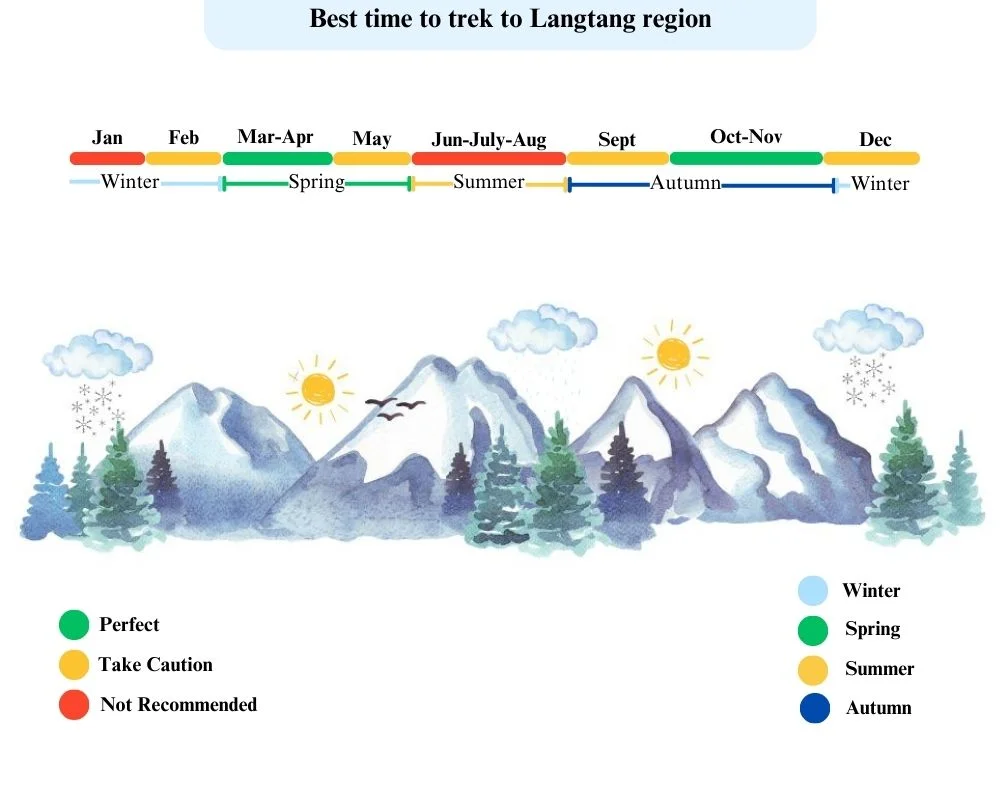
- Late Sep-Nov and Feb-May
- Accommodation
- Tea House/Lodge
- Meals
- Breakfast/Lunch/Dinner
- Transportation
- Private/Shared Vehicle
Highlights Of Gosaikunda lake Trekking 7 Days
Scenic drive from Kathmandu to Dhunche with views of Trishuli River and terraced fields.
Visit Sing Gompa, a monastery with serene surroundings and a yak cheese factory.
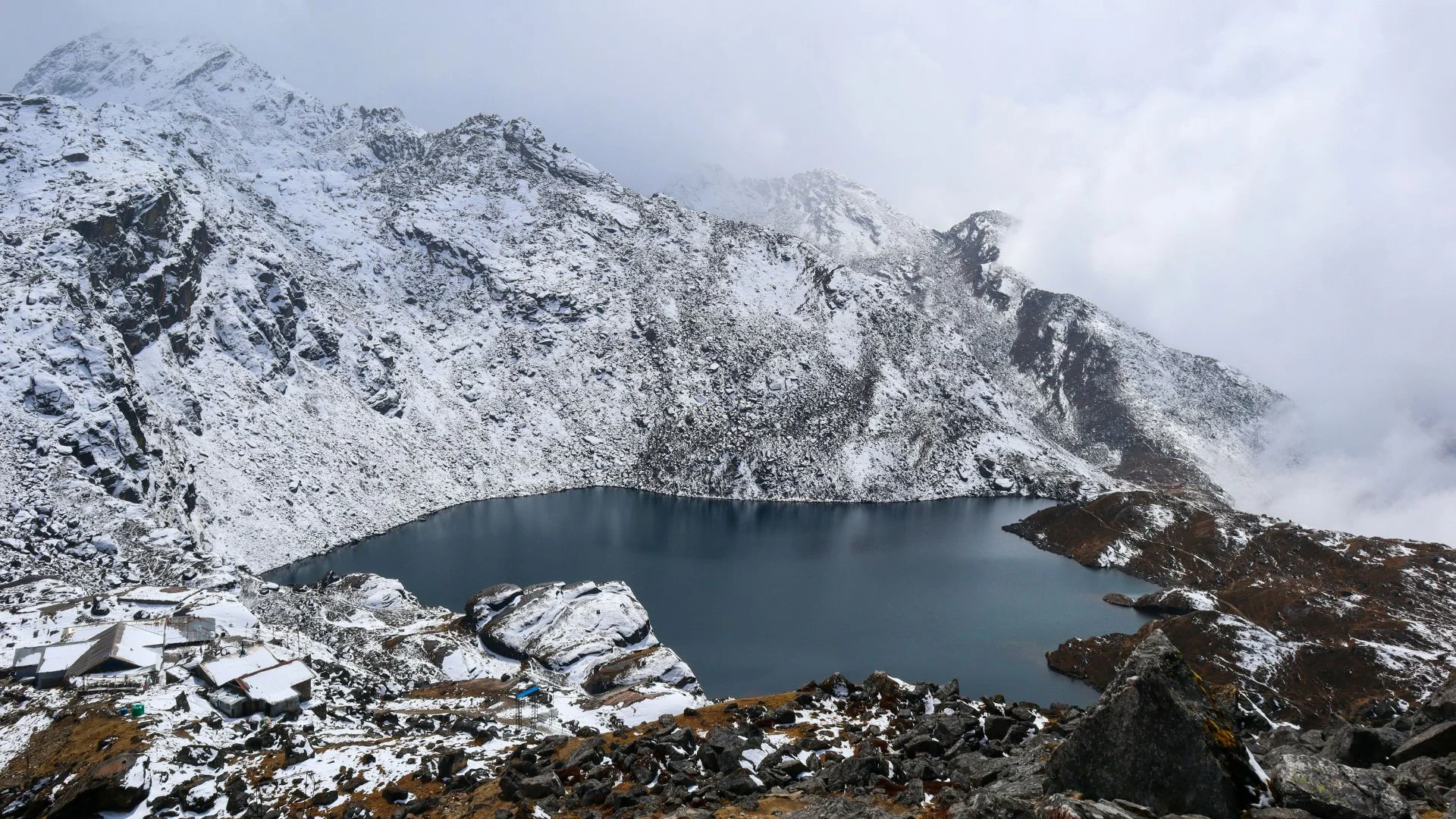
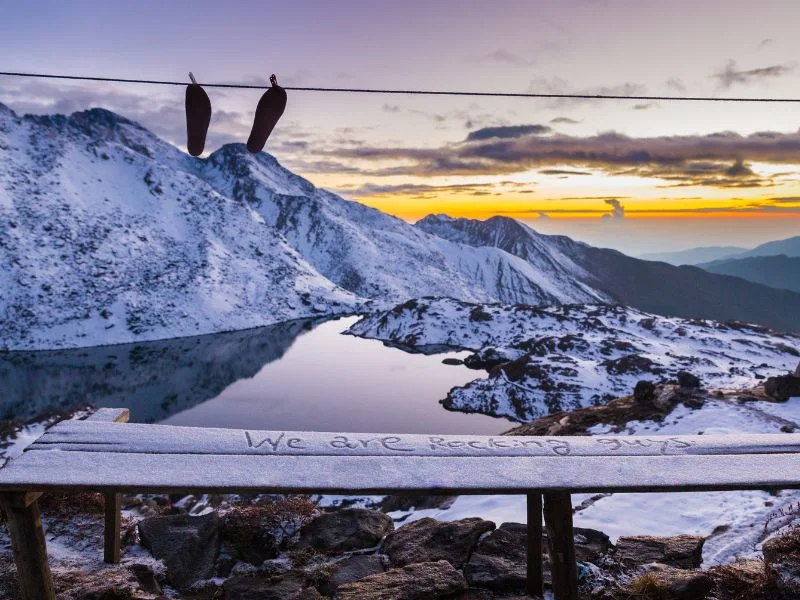
Gosaikunda Lake is a sacred glacial lake for Hindus and Buddhists.
Crossing the Lauribinayak Pass (4,610m) with panoramic Himalayan views.
Exploration of the Helambu region, known for its forests, hills, and cultural charm.
Overnight stay in Kutumsang, a tranquil village with terraced fields and cozy teahouses.
Chisapani's stunning sunrise and sunset views over Langtang, Annapurna, and Manaslu ranges.
Trek through Shivapuri National Park to Sundarijal, featuring lush forests and waterfalls.
Description Of Gosaikunda lake Trekking 7 Days
Gosaikunda lake trek in langtang region is a moderately challenging trek which leads trekkers to natural sights and places of cultural and religious importance. The ever-exciting road adventure from Kathmandu to Dhunche involves going over some of the best and most beautiful rising roads that overlook the Trishuli River through green terrains with small settlements of houses. Then, the route goes further through some calm galleries of oak pine and rhododendron-tree woods with only rare views of snowy peaks. Every day has new plains ranging from alpine pastures to colorful hilltop houses to plunge deeper into a geographical variation of Nepal.
Gosaikunda Lake is a holy site for Hindus and Buddhists. The calm water of the glacier and the stunning mountains and shrines around make it a very serene place. Lauribinayak Pass is another interesting experience, with views of the Langtang, Ganesh, and Manaslu ranges. The Gosainkunda Lake trip offers some glimpses of rural Nepali life, consisting of visits to the monasteries at Sing Gompa, Kutumsang, Chisapani, and Yak cheese factories.
This is a bit challenging as it ends through the afforested hills of Shivapuri National Park, waterfalls, and bird chirping on the way to Sundarijal. It is when you get closer to Kathmandu that the chaotic city life drastically differs from the calm trek, adding meaning to the entire experience. This journey assimilates steep pathways, ethical depth, and calm scenery, so it is a breathtaking Gosaikunda Lake journey.
How does the Gosaikunda trek route start and end?
The Gosaikunda trek itinerary starts with a drive from Kathmandu to Dhunche and ends with a drive back to Kathmandu. Therefore, the 7 day Gosaikunda Lake itinerary commences and ends in Kathmandu only. The drive starts with traveling through urban roads dotted with human and automobile traffic in the Nepalese capital-Kathmandu to the quiet upland roads, majoring towards Dhunche. This starting point to the Langtang region provides a sneak preview of what you can expect regarding the natural wonders, people, and religious sites. The experience during the trek comes with more splendid valleys and views as one proceeds through the forests, typical Nepali villages in the mid hills, to the last challenging steep trail at high altitude.
Apart from its lovely outlook, it is also a place with the most potent cultural and religious affinity. On tour, you will see beautiful villages like Sing Gompa, home of the Monastery and Yak Cheese factory, and Kutumsang, the town of terrace fields and warm, welcoming inhabitants. The most magnificent viewpoint of the ever-popular Gosaikunda trek is the pristine Gosaikunda Lake, a holy place for Hindus and Buddhists alike with its rough terrains and shrines. The view of the Himalayas while crossing through Lauribinayak Pass is breathtaking and thus makes the tour more and more attractive.
This journey accurately combines the tough and easy end with the forests and waterfalls of Sundarijal in Shivapuri National Park. An organised vehicle to Kathmandu re-introduces you to energetic city life from a calm life in the mountains, thus providing unforgettable memories of a worthwhile experience.
What is the best season for 7 days of Gosainkunda trekking?
Spring and autumn are the ideal seasons for Gosaikunda trekking. It depends on your tastes, but whether you are interested in and prepared to take chances is irrelevant.
Despite this, the Yeti Hikes representives advises visiting Nepal in the spring or autumn when the climate and temperature are ideal. This season, the trails are broadly accessible, and moderate rain is possible. Even at higher elevations, snow can be found, but it is crucial to be prepared to avoid damp areas.
Spring (March-May)
The temperature ranges from 15°C to 25°C (59°F to 77°F), and you may witness the rapid growth of vegetation, including oak, maple, and rhododendrons, as well as increased wildlife activity, including the chance to see the Himalayan Monal and a variety of butterflies. You will observe seasonal lives, farming methods, and native festival festivities (Dashain, Tihar).
Autumn (September-November)
Trails are less likely to become slick in the autumn because of the post-monsoon dryness and little rainfall. With temperatures between 15°C and 25°C (59°F and 77°F) throughout the autumn, there will be plenty of sunshine and longer daylight hours. Numerous peaks, including Ganesh Himal and Langtang Lirung, will be visible. You could also see important Tibetan Buddhist celebrations, such as Loshar.
Outline itinerary of Gosaikunda Lake Trekking
Day 1: Drive from Kathmandu to Dhunche by bus
Day 2: Trek to Sing Gompa
Day 3: Trek to Gosaikunda
Day 4: Trek to Tharepati, crossing the Lauribinayak Pass
Day 5: Trek to Kutumsang
Day 6: Trek to Chisapani
Day 7: Trek to Sundarijal and drive back to Kathmandu
Itinerary Of Gosaikunda lake Trekking 7 Days
Here, your trekking starts with a drive from Kathmandu to Dhunche, which generally takes 6-7 hours. The drive is more tiring because of both tarmac and rough portions. You have to move on roads winding through the mountains; therefore, you will have many incised curves. Consequently, there you need to drive with care.
During the rainy season, landslides may temporarily disrupt travel; it is always better to enquire about the conditions in advance. The trail has several bridges and leads through many different landscapes, from bustling towns to quiet countryside.
Enjoy the breathtaking views of the Trishuli River, lush hills, terraced fields, and small villages while going towards Dhunche. Every bend unfolds new magic in this ever-changing landscape-a visual treat that changes with each turn. Higher up, the vistas become all the more spectacular with sightings of snow-covered peaks, at times even. Driving will take you around landmarks like Trishuli Bazaar and Ramche, with ample breaks and photos.
It is worth pointing out that this route is best taken in a four-wheel-drive vehicle to avoid all the discomfort and risks of traveling during monsoon or winter months. Upon arrival at Dhunche, it is a buzzing little town and an entranceway into the Langtang region.
Dhunche has several amenities: comfortable lodges and teahouses, where you can rest after the tiring journey and enjoy a warm dinner, ponder the day-long journey, and think about the trek in the coming days. The bustling town and warm, friendly reception by the local people create a congenial atmosphere for your stay.
To start the day, have a warm breakfast in Dhunche and then proceed to Sing Gompa. Even though today's hike is brief, it's a challenging ascent with breathtaking vistas. The oak and rhododendron woodlands the trail passes through today provide a serene and picturesque setting. Although there are some steep parts on this moderate ascent, the well-traveled route is doable at a steady pace.
The region has a wealth of cultural legacy, and the monastery is a serene destination that provides insight into the local way of life. As you ascend higher, the landscape changes, providing broad views of the neighboring mountains and valleys. More alpine plants may be seen along the trail, and as the air becomes crisper, you might notice a change in the vegetation. With a monastery and a cheese factory, Sing Gompa, also called Chandan Bari, is a quaint place to visit.
Here, you can relax in the charming lodge while leisurely touring the hamlet. The monastery may be a serene and educational place to visit, but the factory's locally made yak cheese is not to be missed. Sing Gompa is the ideal location to relax and take stock of the day's journey because of its serene village and stunning scenery.
So, today's journey is uphill and progressive. To complete it, one has to pass through graded pathways, namely rugged and bumpy soil. It begins gradually ascending through the forest and then rises on a moderate gradient, especially on a dwarf shrub or alpine meadow zone—great snowy peaks, accurately clean, and many beautiful scenery can be seen at times in this ever-changing backdrop.
There are some more but comparatively less frequent places for tea breaks for travelers, and the warm-hearted Sherpas are available personally here. As altitude increases, technically tricky turns, even coming nearer to the holy lakes of Gosaikunda, become more and more challenging. However, the walk is not so tiring because the scenes you can capture on the trail are breathtaking. You can also visit Buddhist and Hindu shrines, so your tour will be religious.
A moderate trek of 5-6 hours walking will take one to Gosaikunda, famous for Hindu and Buddhist pilgrimage. This area usually includes the visible glacial lakes, of which Gosainkunda is the most renowned. Due to its calm and less greenish atmosphere, the lakes covering mountainous terrains are the best places to rest. Shelters are essential; however, that is not where you are confined; you can sleep high in the mountains. Here, you can also rest well and wake up to much more.
The next day, a very early walk starts from Lauribina towards the famous Lauribinayak Pass (4,610m). The first attempt is rather steep and rocky; there is stunning scrambling over rocks and switching to stony ground. The path is risky when it comes to walking, but the true beauty of the range and the Langtang, Ganesh, and Manaslu mountains is a fitting reward on clear sky days. At a certain altitude, the surroundings become almost desert-like, with prayer flags and piles of rocks marking the occasional milestone.
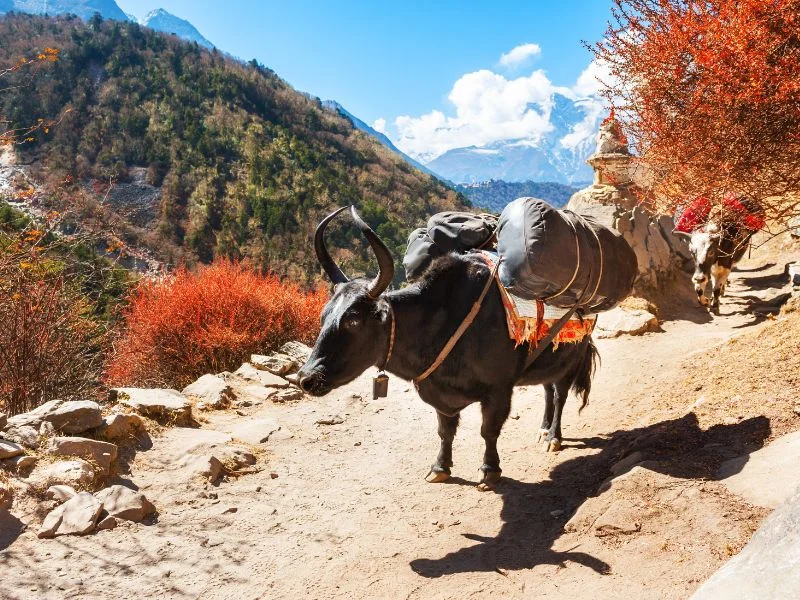
The next variation after going over the Lauribinayak Pass is that the trail moves downward across the alpine to a minimal forest zone. This path is through the middle, and though wide, it may be a bit slippery during rainy occasions and thus needs keen balance. The Rhododendrons will soon bloom during spring when you cross through the small streams and yaks grazing fields. The landscape becomes relatively easy to enter the Helambu region, where small hills and houses are seen in contrast with the steep climb that has been made most of the time.
Further along this trail, especially when it descends the slope, the forest thickens and provides a cool shade from the towering junipers and moss-laden trees. A rare opening offers a view of distant mountain chains that slap against heaven's dome and valley bottoms far below. About four hours away, Tharepati is a beautiful mountain village on the ridge. You can visualize the Helambu valley with a golden sunset over the Himalayas. Tea houses here are comfortable to rest, and after the day's walk, a satisfying meal is taken to mark the end of one of the most picturesque and varied days of trekking.
The trek starts early in the morning from Tharepati; the path first takes a ridge with a good view of the Langtang Himalayas and Helambu terrains, a series of hills. The environment, resulting from the fresh morning breeze and a fantastic view of hills, ensures a serene environment from which the day begins. With the advancement in the trek, the trail slowly descends into the limited areas of thick forest containing tall pine, oak, and rhododendron trees.
It is mainly a smooth dirt trail all the way through but has dusty, rocky parts at other times, and some of it may get a bit slippery when wet. Small streams and waterfalls are on the way, making good subjects for breaks and exposure to the natural environment. You'll also pass over wooden bridges and grey stone trails that enhance the hiking experience by making it feel like a backbreaking experience.
You will have a chance to cross several small and isolated villages and excellent examples of the typical agriculture of the Tamang and Sherpas – terraced fields. These settlements give a perception of how the local people live: children playing on the farm and farmers working there. Streams, tiny prayer houses, cottages mainly made of stones, and some prayer flags flying in the wind indicate its beauty.
After reaching Kutumsang, you'll see the village, partially covered with vegetation and standing behind steep slopes of hills. Then, you'll find small but comfortable teahouses where you can taste authentic local cuisine and have tea. This forms a perfect climax for the day. The sunset view over the terraced fields looked like the last piece of the jigsaw puzzle.
The journey from Kutumsang to Chisapani is a fantastic walk across the hills and forests. The trail passes through beautiful local settlements. The trail starts with a climb, though mainly gradual, with occasional views over the cultivated and sometimes terraced landscape and the peaks of some far-off hills. Since the journey includes up-and-down movement, the surface is made of a combination of small tracks, using stone steps, and periodically combined with rocks. In contrast, the trails are well-marked, making finding directions easier.
The forests look vibrant and full of colors and birds in spring, whereas the trail may be filled with snow in winter, making it very beautiful. Now and then, small openings provide a good view of the Langtang Himal.
The trail goes through some beautiful villages, such as Gul Bhanjyang and Thodong along the trail where you'll get an opportunity to meet the warm-hearted locals and learn about their lifestyle. These settlements may have small teahouses just for such pauses and to warm a cup of tea. The trail does contain some elevation gain followed by loss of elevation in reversals, and as such, it is an enjoyable elevation trek.
Towards the afternoon, you will arrive at Chisapani, a small village on a hill. The place is called Chisapani, meaning "cold water," which describes its cool and chilly climate. From here, you can have a great view of the Himalayas—Annapurna, Manaslu, and Langtang—and the dense green forests of the Shivapuri National Park. Have dinner in a warm teahouse with strong tea and enjoy the calm atmosphere of this mountain restaurant.
The long day of trekking starts from Chisapani and goes to Sundarijal, which is situated south of Kathmandu Valley. You'll be there after going uphill through the Shivapuri Nagarjun National Park, filled with lush green tropical forests. The main trail is easy and constructed from stones and dirt, covered by oak, pine, and rhododendron trees. You can hear the birds singing and, rarely, the twigs crackling in the forest bushes and undergrowth.
As with most such destinations, the view differs as you arrive at ground level. The place is full of terraced fields and small villages where you can observe the real rural people. The trail passes through some areas around freshwater streams and waterfalls, which automatically makes the walk even more enjoyable. While the terrain is generally gradual, its downsides include having occasional steep sections, which one has to be very cautious about.
It will take you hours to get to Sundarijal, where you will find the greenery surrounding it and the flow of the streams that contribute to making it a favorite hop among the people of Kathmandu. Later, you will take a vehicle for the journey back to Kathmandu, which is approximately a 1- 2-hour trip, depending on traffic conditions. The road is curved, and there is a view of the valley below from the peaceful countryside to the crowded city of Kathmandu.
When you are back in the city, you can rest, look back to the fantastic experiences of this trekking, and have a nice meal. Some sites include religious lakes and mountain passes, colorful forests, and beautiful villages, and that ends with Nepal's stunning natural and cultural memories.
What's Included In Gosaikunda lake Trekking 7 Days
Included
Accommodation for 7 nights in teahouses.
A highly experienced, helpful, knowledgeable, friendly, English-speaking, well-trained, Government-licensed guide. The price includes his salary, food, drinks, accommodation, transport, and insurance.
Kathmandu to Syabrubesi and vice-versa, local bus.
Lantang National Park Permit, TIMS Card.
Three meals a day: breakfast, lunch, and dinner, and tea/coffee during the trekking.
Safe drinking water.
First-add kit box.
Yeti Hikes's T-shirt, cap, duffle bags, city and trekking route maps – if necessary.
Arrangement of emergency evacuation service (should have insurance for emergency evacuation and will be paid by your travel insurance company)
Excluded
The fees associated with your Nepal visa.
Optional Private Jeep, US$ 225
Insurance for helicopter evacuation, as well as personal travel and health insurance.
Extra nights of accommodation, lunch, and dinner in the city
Your expenses, including laundry, baggage charges, phone calls, battery recharges, bar and beverage bills, boiled or bottled water, hot and cold showers, and an additional attendant, are as follows.
The tips for the trekking personnel and drivers.
Additional expenses that arise as a result of flight delays, strikes, weather conditions, or any other event beyond our control.
Trek Map Of Gosaikunda lake Trekking 7 Days
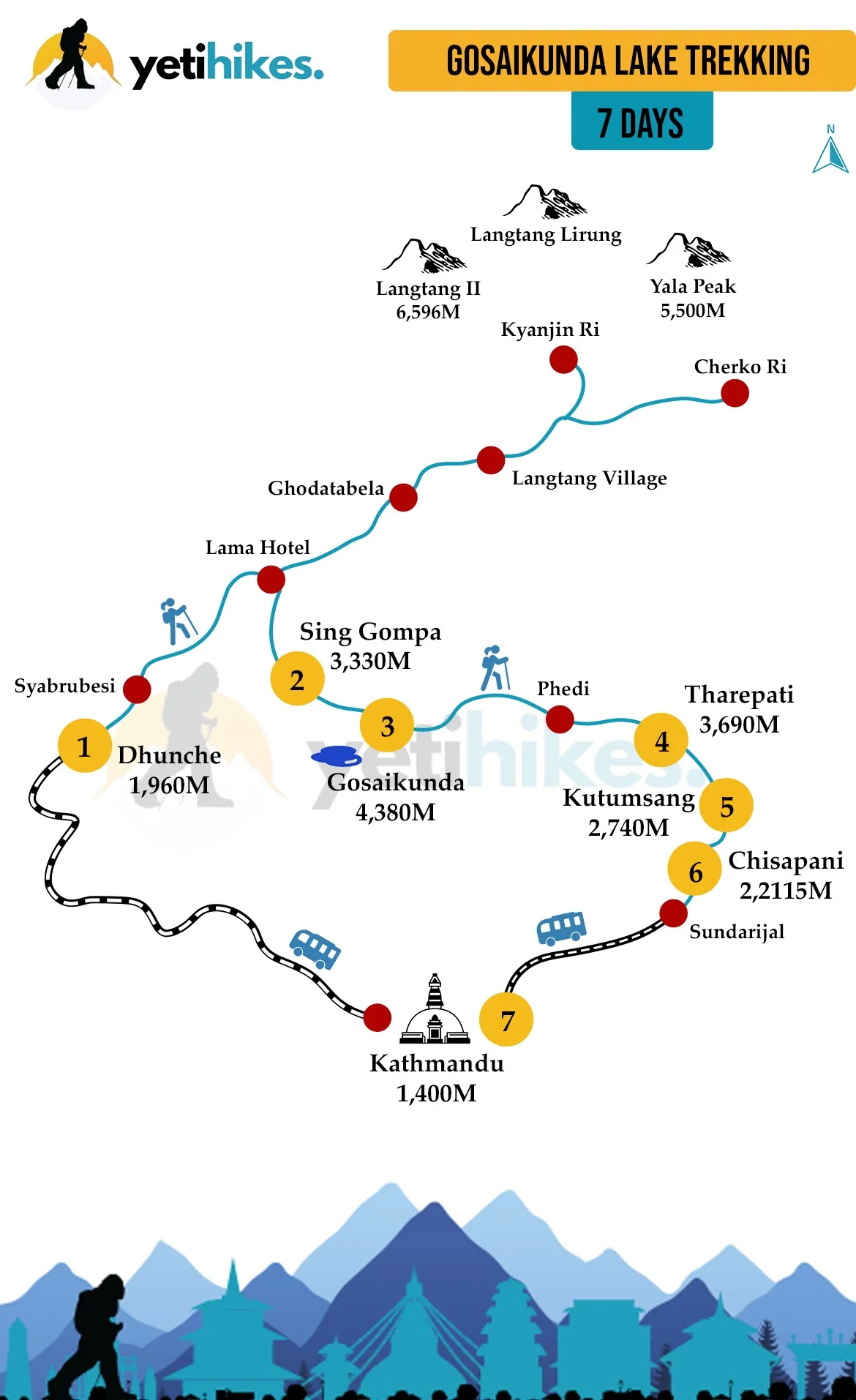
Altitude Chart Of Gosaikunda lake Trekking 7 Days
Additional Information Of Gosaikunda lake Trekking 7 Days
Accommodation during the Gosaikunda trek
Accommodations on the 7-day Gosaikunda Lake Trek range from ordinary, basic tea houses and lodges to pricier guesthouses, depending on the altitude, location, and cost.
Along the trail, modest tea houses, guesthouses, and lodges offer comfortable accommodations that are necessary, and their usual trekking menu features Nepali dishes like soup, noodles, and daal bhat.
Required Documents/Permits for Gosaikunda Trekking
To trek in the Gosaikunda Trekking, you must have specific permits and documents, as it lies in the Langtang National Park. Here's what you need:
Passport and Visa
You'll need a valid passport (valid for at least six months) and a Nepal tourist visa. The visa can be obtained on arrival at Tribhuvan International Airport in Kathmandu.
For a 7-day trek, the 30-day visa is ideal, as it costs around US$ 50.
Travel Insurance
It is not mandatory, but you must have a travel insurance policy covering trekking at a higher altitude. Always keep a photocopy of your insurance policy and emergency numbers.
Medical Certificate
It is required, as some may request a medical certificate to confirm the absence of chronic diseases and the ability to undertake strenuous activities.
Permits for Gosaikunda Trekking Trekking
Considering the journey, which takes 7 days, several permits are required due to its location. Here's a breakdown of the licenses you'll need:
Langtang National Park Entry Permit
You'll need this permit to enter Langtang National Park.
Cost: US$25 per person
Shivapuri National Park Entry Permit
Cost: NPR 1000 per person
Trekkers’ Information Management System (TIMS)
A TIMS card is typically required for trekking in Nepal, but for Langtang Valley Camp, the "Langtang National Park Entry Permit" takes precedence. Therefore, as mentioned above, you don't need a TIMS card if you have the following permit.
Documents Required to Apply Permit Applications:
A clear passport-size scanned copy of the passport has a validity of at least six months.
Passport-sized photos as per requirements.
Trekking Itinerary Details.
Cash (Nepalese Rupees) for permit fees.
Additional documents are required as specified by the permit office or trekking agency.
You should obtain the permits through a registered trekking agency and check with them to ensure all the paperwork is in order before starting your trek. For more information about permits and documents, visit the Permits and Document page.
Gear List Of Gosaikunda lake Trekking 7 Days
Clothing
Base Layers
Thermal tops and bottoms (for warmth at night).
Moisture-wicking t-shirts (2-3, quick-dry fabric).
Lightweight trekking pants (convertible into shorts if possible).
Insulating Layers
Fleece jacket or sweater.
Insulated down jacket (for colder nights and higher altitudes).
Outer Layers
Waterproof and windproof jacket.
Waterproof pants.
Hiking Socks
Wool or synthetic socks (3-4 pairs).
Liner socks (optional, to prevent blisters).
Accessories
Hat (for sun protection).
Beanie or warm hat (for higher altitudes).
Buff or scarf (to protect against wind and dust).
Gloves (both lightweight and insulated if possible).
Footwear
Hiking Boots
Sturdy, waterproof trekking boots (well-broken-in).
Camp Shoes
Lightweight sandals or camp shoes for resting in the evenings.
Backpacks
Daypack (20-30L)
For essentials like snacks, water, and rain gear.
Duffel Bag (if using porters)
You may need a duffel for the bulk of your gear if you’re hiring porters.
Trekking Gear
Trekking Poles
Helpful for balance and reducing stress on knees.
Sleeping Bag
Rated for temperatures below freezing (around -10°C/14°F).
Water Bottles
Reusable bottles or a hydration bladder (2-3 liters capacity).
Water Purification
Tablets, drops, or a portable filter to avoid purchasing bottled water.
Headlamp
With extra batteries (essential for early starts or evening walks).
Sunglasses
UV protection to safeguard against strong sunlight at altitude.
Trekking Map and Compass
Optional, but can help you follow along with the route.
Toiletries
Sunscreen (SPF 50+)
Lip Balm (with SPF)
Toilet Paper
Wet Wipes
Hand Sanitizer
Biodegradable Soap/Shampoo
Toothbrush and Toothpaste
First Aid & Medication
Personal Medication
Bring a sufficient supply of any prescribed medications.
Basic First Aid Kit
Painkillers, blister care (like moleskin), band-aids, and antiseptic cream.
Altitude Sickness Medication
Such as acetazolamide (consult your doctor before taking).
Snacks and Energy Foods
High-Energy Snacks
Protein bars, nuts, dried fruit, chocolate, or energy gels for extra fuel on the trail.
Electronics
Camera/Phone
For capturing memories.
Portable Charger/Power Bank
Charging points may be scarce and expensive.
Spare Batteries
Cold weather can drain batteries quickly.
Miscellaneous
Money
Carry enough cash for food, charging, and tips in remote areas.
Trekking Permits and Passport Copies
Ensure you have copies of your TIMS and ACAP permits, as well as your passport.
Small Locks
For your bags.
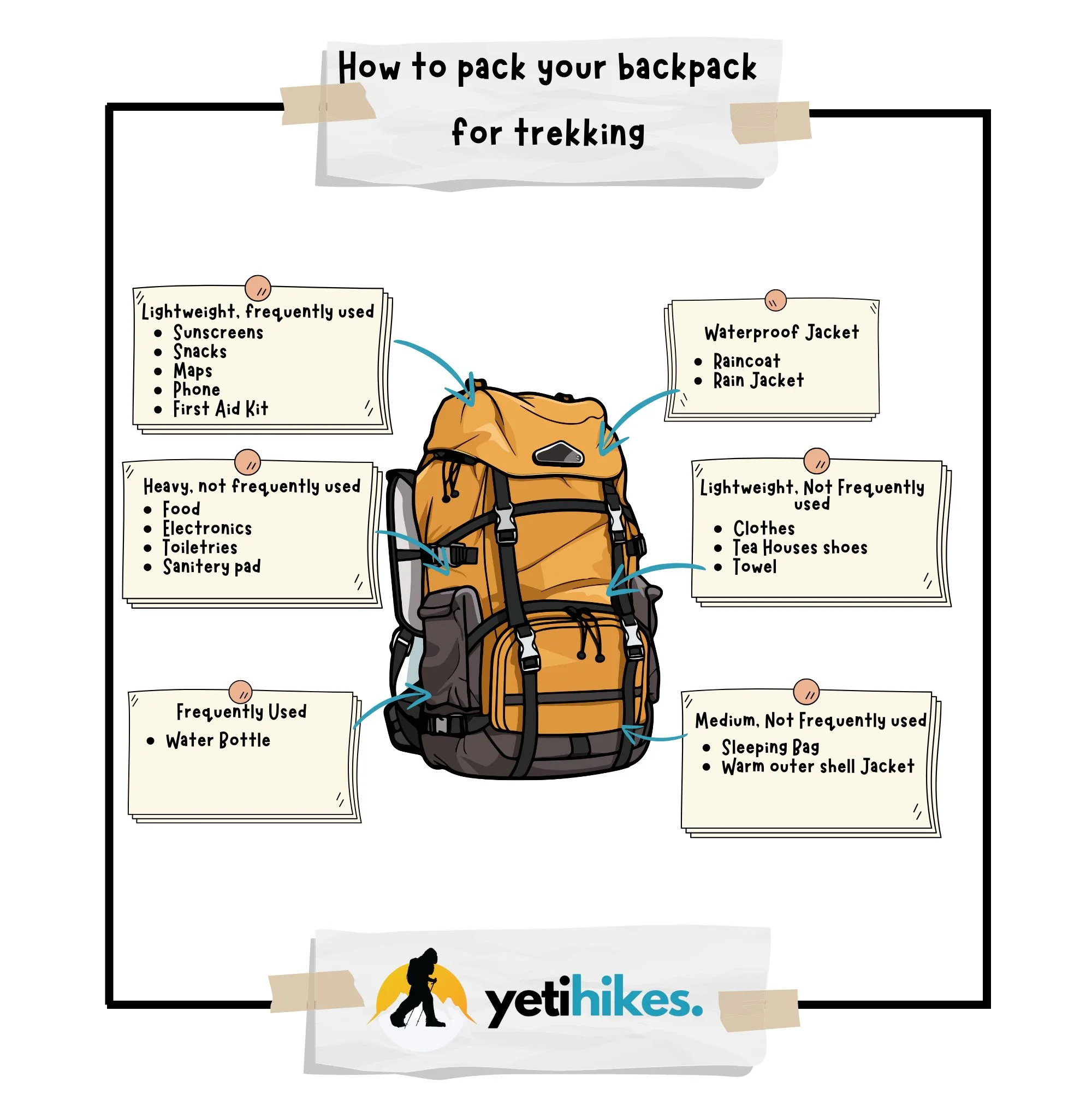
Backpack Packing & Gear Image
Media Gallery Of Gosaikunda lake Trekking 7 Days
FAQs Of Gosaikunda lake Trekking 7 Days
Recommended Blogs
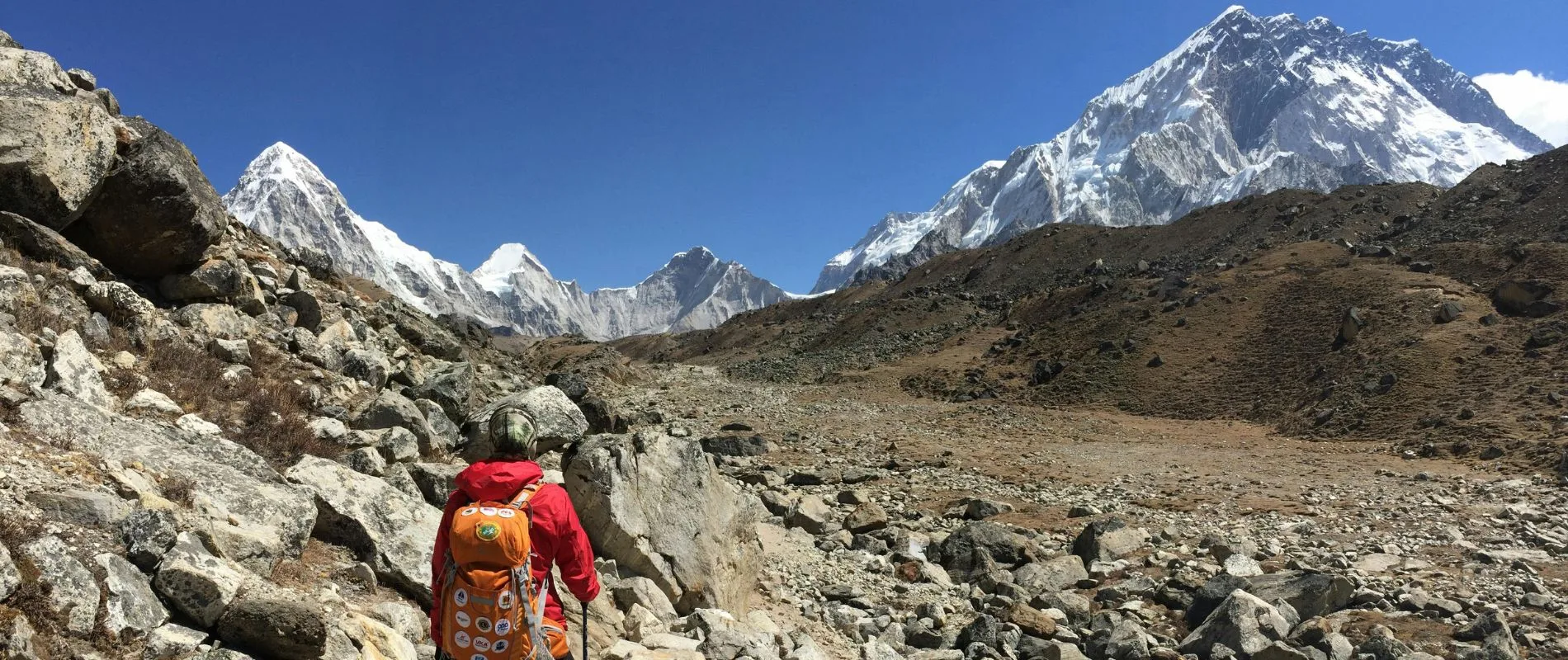
10 Things Trekkers must know before coming to Nepal
10 Things Trekkers must know before coming to Nepal Trekking to Nepal promises an experience of a lifetime because of its stunning peaks, verdant valleys, lively culture, and friendly locals. Trekking here, however, is more than just beautiful paths; it calls for preparation, awareness, and observance of regional customs. These ten suggestions will ensure an unforgettable, secure, and enjoyable journey, whether you're planning a trek to the Annapurna Region, Langtang Valley, or Everest Base Camp. Top 10 things that you should know before travelling to Nepal Altitude is not the only challenge. Although the primary concern is usually high altitude, you should also be prepared for dehydration, intense sun, and variable weather conditions. Temperatures can drop sharply even in the spring or fall, particularly at higher elevations. Staying safe requires gradual acclimatization and adequate hydration. Tea House accommodations are basic. Although there are many quaint tea houses along Nepal's trekking routes, don't expect luxury. Simple rooms with limited heating and electricity are available. A comfortable night is ensured by bringing thermal layers and a warm sleeping bag. Nepali schedules are flexible. Nepal moves at its own speed. Local bus and taxis, as well as meals, might not always arrive on time. Accept the leisurely pace, unwind, and relish the trip as it's all a part of the adventure. Drinking water is not always free. A lot of trekking tea houses charge for water that has been boiled or filtered. Carry purification tablets and a refillable bottle to prevent stomach problems. It's essential to stay hydrated, particularly at higher elevations. Altitude affects both appetite and mood. Elevations too high can lower energy and appetite. To keep your energy levels up, keep calorie-dense snacks like chocolate, energy bars, and nuts on hand. Yeti Hikes guarantees appropriate pacing and acclimatization guidance. Plastic and waste can be an issue. The trails in Nepal are stunning but delicate. Plastic waste is becoming a bigger problem, especially on busy roads. Keep a small trash bag with you at all times, stay away from single-use plastics, and show consideration for trail cleanliness initiatives. Local hospitality has unique customs. Although local customs may differ from your own, Nepalese people are hospitable. Respect hospitality and observe cultural etiquette, such as taking off shoes before entering houses or temples; these customs frequently result in memorable encounters. Online banking is limited. Although major towns have ATMs, digital payments are rarely accepted in remote trekking areas. Keep enough small-denominated cash on hand to cover tips, meals, tea, and accommodation. Power banks are essential. Electrical power may be intermittent along the trail. Have a reliable power bank on hand so you can charge your phones, cameras, and GPS devices. It is necessary for navigation, safety, and memory retention. The trail offers more than just trekking. In Nepal, trekking is more than just finishing routes and climbing mountains. The journey is enhanced by each village, monastery, river, and mountain view. Spend some time interacting with locals, visiting lesser-known locations, and taking in the splendour of nature. You can find hidden treasures along the way by going on guided treks with Yeti Hikes. Bonus Points Trekkers Must Know Before Coming to Nepal In addition to the essential tips, here are 5 more important points every trekker should keep in mind for a safe and enjoyable experience in Nepal: Permits are mandatory. The majority of Nepal's trekking areas, including the Langtang Valley, Everest Region, Annapurna Region, Manaslu Region, Mustang Region, as well as those in the east and west, require formal permits. These typically consist of National Park Permits and a TIMS (Trekkers’ Information Management System) card. Having the appropriate permits on hand is crucial for safety as well as legal reasons, as they enable authorities to monitor hikers in the event of an emergency. Best trekking seasons matter. Spring (March to May) and Autumn(September to November) are the best seasons for trekking in Nepal because of the consistent weather, clear skies, and pleasant temperatures. While landslides are frequent and trails can become slick during the monsoon and winter season, you may experience significant snowfall at higher elevations. A safer and more pleasurable trek can be achieved by scheduling it during the appropriate season. Trekking insurance is crucial. There are special risks associated with trekking in the Himalayas, such as altitude sickness, slips, and abrupt weather changes. High-altitude trekking, evacuation, and medical emergencies should all be covered by comprehensive trekking insurance. Having the right insurance gives you peace of mind so you can enjoy the trip instead of worrying about possible problems. Use detailed trekking maps. You can navigate safely and monitor your daily progress by carrying a comprehensive trekking map or by using a GPS-enabled app. Additionally, maps help locate neighboring villages, teahouses, and emergency exits, all of which are crucial in the event that weather or trail conditions suddenly change. Hire a certified local guide. Hikers who are new to the area are strongly encouraged to hire a qualified local guide. Guides are a great resource for information on accommodations, permits, navigation, and cultural awareness. An expert guide can offer stories, local traditions, and undiscovered locations that will enrich and give meaning to your trip in addition to making sure you're safe. Choose the Best Trekking Agency: Yeti Hikes for an Easy Trek From handling permits, accommodations, transportation, guides, and logistics, a trustworthy company guarantees a simple and stress-free trek. Because of our experienced staff and carefully thought-out itineraries, Yeti Hikes is a fantastic choice for hikers of all skill levels. Our local expertise and personalized service allow you to focus on the adventure and cultural experience while taking in the splendor of the Himalayas without having to worry about the details. Conclusion: A Message from Yeti Hikes At Yeti Hikes, we think that trekking in Nepal is about more than just following the trails; it's about having a safe and unforgettable experience of the country's mountains, people, and culture. Every trek can be an amazing experience with the right planning, knowledgeable guides, and consideration for regional traditions. Allow us to assist you in discovering Nepal's splendour and making lifelong memories!
Best Season to Trek in Nepal
Introduction A trekking adventure through Nepal brings combined exploration experiences and traditional cultural immersion regardless of the season. However, based on different factors, the best seasons to trek in Nepal are Spring (March-May) and Autumn (September-November). These seasons offer complete weather clarity, moderate climate conditions, and spectacular scenery. The existing trekking routes, such as Everest Base Camp, Annapurna Circuit and Langtang Valley, offer their best conditions during Autumn and spring when visitors can experience refreshing mountain air amid colourful mountain views. During Autumn, the skies remain clear after the rainy season, thus delivering stunning views of the mountains together with great weather for trekking. In contrast, spring brings bright rhododendron flowers and flowing waterfalls with species-rich wildlife during each trekking stage. The journey we designed, Yeti Hikes, enables travellers to experience Nepal's natural wonders irrespective of their choice between autumn mountain views, spring blooming trails, snowy landscapes in winter, or monsoon greenery. Our experienced guides, carefully crafted trips, and complete knowledge of Nepal combine to transform every season into a perfect trekking opportunity for their clients. Yeti Hikes delivers experiences that combine beneficial cultural tours with exciting high-altitude adventures for its clients. Trekking in Spring: A Colorful Journey Spring railways across Nepal experience a remarkable transformation, making it the most favourable period for travellers. The combination of clear skies and pleasant temperatures, which nature creates by covering all regions with green vegetation, sets a perfect habitat for trekking adventures involving natural awe and cultural discovery. Nepal displays its stunning trekking locations during spring because the season brings out the colourful blooms of rhododendrons and scenic mountain panoramas. Nepal welcomes every adventurer during spring because its trekking experiences suit all interests, from wildlife exploration to cultural festivals and panoramic landscapes. Scenery: A Colorful Himalayan Wonderland During the spring season, the trekking paths of Nepal reveal themselves as spectacular beauty through their vibrant forest vegetation, charming rhododendron blooms and intense Himalayan peak vistas against brilliant blue skies. When snow melts from last winter, the hills and valleys become spectacular through shades of red, pink and white rhododendron flowering, making this trekking experience truly beautiful. Spring viewers find extraordinary fame in Ghorepani Poon Hill and Langtang Valley and Mardi Himal trails because their colourful wildflowers create an incredible show of beauty at each trail step. The combination of snow peaks with colourful green hills offers spring trekking to explorers and travellers an unmatchable visual adventure. The Himalayan mountains deliver clear panoramas for the entire season and become most stunning in the early mornings and late afternoons. Warmer months create extraordinary opportunities for visitors to experience Everest Base Camp alongside Annapurna Base Camp and Manaslu Circuit since it reveals pure and seamless views of Everest and Annapurna with Dhaulagiri and various other magnificent peaks. The rivers and waterfalls that run due to snowmelt create yet another picturesque element in the landscapes. The spring season provides hikers with complete harmony between scenic natural landscapes and dramatic views of mountains when they pass through alpine regions together with forests. Trail Conditions: Stable Weather and Comfortable Trekking The region of Nepal provides perfect trail conditions during springtime because hot temperatures remain moderate throughout this season, making it easy to walk the terrain. Mountain elevation determines the weather conditions, so lower areas experience temperatures between 10–20°C while higher areas maintain freezing temperatures between -5 and 5°C. The dissolving snow from winter enables mountaineers to access climbing destinations like Everest Base Camp and Annapurna Circuit during this period when harsh winter cold is no longer present. During springtime, the trails remain dry and safe, creating optimal conditions for novice and professional walkers to enjoy their trekking experience. Long spring daytime hours provide trekkers additional time to advance through their journeys without worrying about speed. During spring, the weather pattern shows fewer surprises than summer storms and harsh winter conditions, which lets trekkers schedule their trips easily. During this period, the most well-known trekking areas, for example, Everest and Annapurna, experienced increased visitor activity because spring remains a peak season for trekking. Nepal's Himalayas shine the brightest during spring due to calm weather conditions and stunning landscapes, which bring out the region's spectacular beauty despite the high number of visitors. Wildlife: A Season of Life and Activity The spring season in Nepal offers both fields of beautiful flowers and mountain vistas and an excellent opportunity to observe Nepal's variety of wildlife. When snow starts melting and temperature increases, animals that stay hidden come out of their winter residences. Trekkers exploring the Langtang, Manaslu and Annapurna regions can spot Himalayan monals with blue sheep, red pandas, and langurs. Wandering bird enthusiasts will delight in the warm spring season because numerous migratory birds arrive to produce melodious sounds across the hiking paths. The abundant natural resources from spring vegetation create excellent feeding conditions, which makes wildlife more active and noticeable to trekkers searching for wildlife. Visitors who venture into distant areas such as Upper Mustang or Dolpo have the once-in-a-lifetime opportunity to encounter the enigmatic snow leopard because these creatures move down from their high-altitude habitat to feed before summertime. During the spring, numerous Himalayan animals become active for mating purposes, enabling trekkers to spot newborn tahrs and deer and pheasant chicks from the trails. Spring trekking allows people to fully engage with natural surroundings through its active wildlife, beautiful plants, and breathtaking mountain scenery. Festivals: Cultural Celebrations Along the Trails During Nepalese spring, customary celebrations add excitement to the natural environment. The highly famous springtime celebration Holi (the Festival of Colors) occurs in March to welcome the season change. During celebrations in Kathmandu, Pokhara, and other significant towns, Nepalese people participate in pleasant rituals using coloured powders and water for traditional festivities. Before starting their mountain treks from Kathmandu or Pokhara, the trekkers can partake in the energetic Holi festival. The celebration of Buddha Jayanti finds its place in April or May to honour the significant events in the life of Lord Buddha, including his birth, enlightenment, and death. People from Buddhist parts of Everest, Langtang and Manang participate in specific religious events, including monastic prayers,ter lamp rituals and spiritual meetings. Buddhist devotees can observe unique religious ceremonies deep within the Himalayas during these festivals. Trekking to the Everest region offers visitors both the natural beauty and cultural depth of Tengboche Monastery, while the Manaslu expedition during Buddha Jayanti allows exploration of Lho Monastery. Yeti Hikes: The Perfect Time for an Unforgettable Adventure Spring is the top season for trekking in Nepal at Yeti Hikes because it provides ideal weather, spectacular views, and deep cultural exploration. With experienced guides from Yeti Hikes, you will achieve maximum satisfaction on your trek throughout the Annapurna's rhododendron forest blooms Everest's high altitudes and Manaslu and Mustang's secluded trails. Yeti Hikes will modify your trekking experience by adding local festivals and cultural interactions to enhance your overall journey. Yeti Hikes creates Himalayan journeys for novice trekkers pursuing beautiful escapades along with veteran trekkers who want to demand high-altitude excursions. Yeti Hikes leads travellers to discover the best parts of Nepal during spring through their expert guidance backed by deep local knowledge that creates perfect adventures across natural landscapes. Grab your travel gear, and Yeti Hikes will provide an unforgettable, long-term springtime exploration. Trekking in Autumn: A Breathtaking Adventure Nepal establishes itself as the most favourable trekking period between September and November. Autumn brings brilliance through its comprehensible skies and cool temperatures alongside soft air, providing ideal conditions to enjoy the trekking trails while experiencing Nepalese culture at its peak. Autumn presents trekkers with the perfect moment to experience Nepal's captivating landscapes blended with its cultural festivities, breathtaking mountain views, and colourful autumn foliage. The following section provides detailed information about autumn trekking in Nepal. Scenery: A Panoramic Dreamscape The Autumn season in Nepal offers viewers the most extraordinary views of mountains that stretch into crystalline perfection. A clear atmosphere above the trekking areas shows trekkers the mountain giants, Everest, Annapurna, and Machhapuchhre. After monsoon winds pass, the atmospheric condition becomes better, thus allowing trekkers to see the Himalayas in all directions. Nature transforms its forest and hills into vibrant autumn colours by combining high mountain tops with snow and brightly coloured leaves with green meadows. Hikers will face no weather discomforts during their trek since the mild temperatures enable them to visit high-altitude passes and lower-altitude forested areas. The dramatic mountain terrains create colourful lighting displays when sunset or sunrise occurs in Autumn. Trail Conditions: Comfortable and Stable Weather The autumn season presents Nepal with its finest trekking environment. Trekking becomes optimal because the climatic conditions remain balanced while temperature levels stay moderate. Weekday temperatures in lower regions rest between 10°C and 20°C, and mountain regions maintain temperatures between -5°C and 5°C. The trekking routes are in excellent condition, thus offering dry surfaces that reduce risks and provide convenient pathways for visitors. The climate remains agreeable throughout the year because trekkers do not need to face summer heat or winter frost. The extended period of daylight enables hikers to extend their time spent exploring trails. The autumn weather ensures stable conditions on all trekking paths, including the Annapurna Circuit, Everest Base Camp, and Langtang Valley, providing visitors with a smooth, effortless trekking experience. Wildlife: A Thriving Ecosystem During Autumn, the trekking routes welcome active wildlife to their paths. Many plant and animal organisms thrive throughout the lower forested areas. The Himalayan monal, together with monkeys and wild boars, appear most frequently this season when residents register sightings of multiple bird species and various wildlife groups across Nepal. Visitors can spot the rare red panda and snow leopard sightings in remote mountain areas of higher elevations. The autumn season is ideal for observing migratory birds that travel through Nepal, elevating the biodiversity count in the region. During this season, the forest's oak and rhododendron trees tower above the ground, and numerous animals benefit from the abundant food, leading to increased visibility of wildlife in the region. Festivals: Vibrant Cultural Celebrations Autumn enhances the beauty of trekking in Nepal. The largest celebration among Nepalese Hindus is Dashain, which unfolds between September and October. The mountains will show trekkers the active participation of local communities as they conduct religious ceremonies, offer sacrifices, and organize family events. Villages become radiant during Tihar, the Festival of Lights, which uses oil lamps and candles in October and November. During the celebration of Tihar, local people living in both the Kathmandu Valley and the rural mountain areas demonstrate Nepali culture to trekkers. During Lama and Lama Chhe Buddhist celebrations in the Everest and Langtang regions, trekkers can witness Nepal's deep spiritual traditions. Yeti Hikes Take: Perfect Autumn Adventure According to Yeti Hikes, Autumn provides the right conditions for Nepal trekking adventures. Our expert guidelines will provide comfort and security through the best trekking paths while optimising trekking conditions. Autumn creates the best trekking conditions during such adventures as the Everest Base Camp or Annapurna Base Camp trek and the Langtang Valley Trek because it provides superior visibility and the most comfortable trekking environment. The carefully designed trekking plans at Yeti Hikes let guests discover extraordinary natural vistas, wildlife sightings, and cultural celebrations, highlighting the stunning essence of Nepal's autumn experiences. Yeti Hikes customised itineraries with two primary options for travellers who want physical tests or picturesque touring. Get ready for a breathtaking trekking adventure to marvel at the spectacular Himalayas throughout this beautiful Autumn. Best Trek Destinations in Nepal During Spring and Autumn Everest Base Camp Trek Everest Base Camp Trek is the most spectacular Himalayan journey because it reveals stunning sights of Mount Everest and adjacent peaks. Trekking in spring and Autumn provides ideal conditions with perfect weather and exceptional mountain scenery. The route leads travellers through Sherpa settlements, Buddhist temples, and the areas encompassed by Sagarmatha National Park. Highlights: Clear views of Everest, Ama Dablam, Lhotse, and Nuptse. Cultural insights into Sherpa villages and Tengboche Monastery. The trekking conditions are perfect during temperate weather because of moderate temperatures. Annapurna Circuit Trek Tourists interested in the Annapurna Circuit Trek will be captivated by its diverse landscapes because its path takes you through subtropical forests and Tibetan plateaus. Guests visiting during the spring or autumn seasons of this trek encounter the best conditions because they can experience vibrant rhododendron blooms and admire breathtaking vistas of the Annapurna Massif and Machhapuchhre. Thorong La Pass stands out as the highlight of the trek because it enables you to cross a high-altitude mountain pass. During the experience, you will also visit remote villages. Highlights: Panoramic views of the Annapurna Range, Dhaulagiri, and Machhapuchhre. Cultural experiences in Gurung and Tibetan villages. The thrill of crossing Thorong La Pass at 5,416 meters. Ghorepani Poon Hill Trek People who desire Himalayan mountain sightseeing despite having limited time should consider the Ghorepani Poon Hill Trek. Anyone who experiences sunrise views from Poon Hill toward the Annapurna Range will love this particular trek because it lets people see rhododendron forest colours every spring. Rhododendrons create a stunning visual treat during this period. The trek is an excellent choice for fresh or brief mountain travellers. Highlights: The combination of Annapurna and Dhaulagiri mountains can be observed during sunrise from Poon Hill. Travellers walk through areas filled with rhododendron plants and visit attractive rural settlements. It is a short and manageable trek suitable for all levels. Langtang Valley Trek Explore the peaceful Langtang Valley Trek if you want quiet landscapes and minimal crowds. You will see magnificent vistas of Langtang Lirung along with Ganesh Himal and Dorje Lakpa. The trekking conditions are ideal during springtime and Autumn when skies remain clear,and temperatures stay within moderate ranges. During this trek, one can explore the Tamang village culture while visiting the serene Kyanjin Gompa. Highlights: The trek offers panoramic perspectives of Langtang Lirung together with adjacent mountain peaks. A cultural immersion in Tamang villages and Tibetan Buddhist monasteries. The trekking period provides ideal conditions because the weather remains clear with comfortable temperatures. Manaslu Circuit Trek The Manaslu Circuit Trek promotes its status as an unvisited hiking route that delivers outstanding sightlines of Mount Manaslu while showcasing its position as the world's eighth tallest peak. The Manaslu Circuit Trek provides peak travelling conditions between spring and Autumn since both seasons offer a pleasant and dry walking environment. This trail provides memorable adventures because it shows travellers various landscapes and takes them through remote villages along with the demanding Larkya La Pass crossing at 5,106 meters above sea level. Highlights: Spectacular views of Mt. Manaslu and other high peaks. A quieter, off-the-beaten-path trekking route. Travel across Larkya La Pass to experience Tibetan culture in the distant villages. Why not trek in the Monsoon and Winter Seasons? The Nepalese trekking experience from June to August brings heavy rain, which creates dangerous trail conditions, thus making trekking unsafe. The ongoing rainfall results in track surfaces that become incredibly slippery and difficult to traverse, especially when mountains demand steep movements. The weather conditions during the monsoon season frequently cause a rise in landslides, creating travel interruptions for trekking routes. Despite the impressive natural scenery, the environment becomes hot and humid due to heavy rainfall as leeches create additional obstacles for trekking. The heavy clouds during this season frequently hide mountain scenery that trekkers usually look forward to seeing. Trekking occurs from December through February during winter, introducing specific difficulties for travellers. Higher elevation properties present temperatures so cold that they might reach -20°C or colder. Snow and ice cover trails, whereas the highest points, including Everest Base Camp and Annapurna Circuit, remain especially dangerous because of their elevated altitude. Hikers taking on treks in cold environments must be ready for hazardous conditions because unprepared weather conditions make trips uncomfortable for them. The journey becomes more complicated as numerous remote trekking facilities and teahouses remain unavailable because of the few tourists. Winter travel includes additional preparations, increased challenges, and minimized contact with others. How the Seasons Affect the Trekking Experience? The trekking conditions in Nepal change fundamentally based on the season because they affect landscape views and path obstacles. The spring and autumn seasons mark good weather in Nepal with minimal precipitation, which makes trekking conditions optimal. Frontiers have the perfect weather for mountain viewing with thriving vegetation while maintaining suitable temperatures during these specific periods. Clear weather conditions during spring and autumn allow trekkers to witness the complete Himalayan peak panorama, creating unforgettable, beautiful views. Warm but never-freezing nights combined with low trail moisture give travellers excellent opportunities to tackle treks such as Everest Base Camp and Annapurna Circuit. In contrast, winter and monsoon present unique challenges and experiences. The extreme cold conditions worsen as you move higher up in altitude during winter months, thus making trekking difficult. During winter, the white landscape of Nepal creates an enchanting scene that draws people interested in remote mountain peaks and peaceful winter settings. During the monsoon season, the trekking experience becomes hazardous because heavy rain generates slippery surfaces, activates mudslides and encourages leeches to appear. During this season, the terrain transforms to green, and visitors can see waterfalls and experience more tranquil trekking conditions since fewer people are touring the region. Trekkers must decide their arrival time according to Nepal's seasonal appearance preferences and tolerance for season-specific obstacles. Conclusion: Embracing the Magic of Spring and Autumn Trekking Each trekking season in Nepal offers distinct characteristics and particular benefits to travellers. The trekking periods in spring and autumn emerge as the best times for hiking because they provide great skies, moderate climates, and perfect trail conditions. Nepal's seasonal beauty peaks during these times because the country displays colourful rhododendron flowers and magical mountain vistas, and people can participate in cultural events and traditions. The Everest, Annapurna, and Langtang trekking areas serve novice through advanced trekkers by providing optimum trekking situations during the spring and autumn. Visitors who trek Nepal during the monsoon season and winter months will experience alternative types of adventures despite challenging weather conditions. The monsoon period creates a colourful landscape with little foot traffic, but trekking requires good navigation due to wet conditions and dangerous terrain. Typical winter trekking paths in Nepal offer snowfields with minimal gatherings and cold risks that require winter-specific preparations. People who journey to trek in Nepal must make decisions based on personal preferences, fitness capability, and acceptance of seasonal challenges.
The Essential Guide to Using Diamox for High Altitude Treks
Embarking on a high-altitude trek like Everest base camp trek is an exhilarating adventure, promising breathtaking views and unforgettable experiences. However, the stunning heights can also present a formidable challenge altitude sickness. This is where Diamox comes into play, serving as a vital ally for trekkers eager to conquer the mountains. In this essential guide, we’ll explore how Diamox works, its benefits, and tips for using it effectively to enhance your high-altitude journey. Whether you’re aiming for the towering peaks of Everest region or a picturesque mountain getaway, understanding Diamox can be the key to a smooth ascent. Join us as we delve into the intricacies of this medication, empowering you to embrace the heights with confidence and enjoy every moment of your wilderness adventure. Get ready to take that first step toward your lofty ambitions, armed with the knowledge you need to thrive at high altitudes. Understanding Altitude Sickness High-altitude trekking offers an unparalleled sense of achievement, but it comes with its own set of challenges, the most significant being altitude sickness. Altitude sickness, also known as acute mountain sickness (AMS), occurs when you ascend to a high elevation too quickly, disrupting your body's ability to acclimatize to the reduced oxygen levels. Symptoms of AMS can range from mild headaches and nausea to severe complications such as high altitude cerebral edema (HACE) and high altitude pulmonary edema (HAPE), both of which can be life-threatening if not treated promptly. Understanding the physiology behind altitude sickness is crucial for anyone planning a high-altitude trek. When you ascend to higher altitudes, the air pressure drops, leading to a decrease in the amount of oxygen available to your body. Your body needs time to adjust to this change, and if you climb too quickly, your body may not have sufficient time to acclimate, resulting in AMS. This condition can affect anyone, regardless of age, fitness level, or previous experience at high altitudes, making it an equal-opportunity adversary for all trekkers. Common symptoms of altitude sickness include headache, dizziness, fatigue, shortness of breath, loss of appetite, and difficulty sleeping. These symptoms can start to appear within hours of reaching a high altitude and can vary in severity. Recognizing these symptoms early and taking the necessary precautions can make a significant difference in your ability to have a safe and enjoyable trek. This is where Diamox, a well-known medication for preventing and treating altitude sickness, comes into play. What is Diamox and How Does It Work? Diamox is the brand name for acetazolamide, a medication primarily used to treat glaucoma, epilepsy, and altitude sickness. Originally developed for other medical conditions, it has become widely recognized for its effectiveness in preventing and mitigating the symptoms of altitude sickness. Diamox works by promoting faster and deeper breathing, which helps increase the amount of oxygen in your blood, thereby aiding in acclimatization to high altitudes. The way Diamox functions is quite fascinating. It is a diuretic and carbonic anhydrase inhibitor that triggers your kidneys to excrete bicarbonate, making your blood more acidic. This mild acidosis stimulates the respiratory center in your brain, encouraging you to breathe more deeply and frequently. As a result, your body can take in more oxygen, which is crucial at high altitudes where oxygen levels are lower. This increased respiration helps to counteract the hypoxic environment and supports better acclimatization. In addition to its respiratory benefits, Diamox also helps reduce the fluid buildup in the lungs and brain, which can be critical in preventing HAPE and HACE. By reducing the risk of these severe complications, Diamox can make high-altitude trekking safer and more manageable for adventurers. Understanding how Diamox works and its role in high-altitude acclimatization can empower you to make informed decisions about your trek and your health. Benefits of Using Diamox for High Altitude Treks One of the primary benefits of using Diamox for high-altitude treks is its ability to prevent and reduce the severity of altitude sickness. By facilitating better acclimatization, Diamox can help trekkers avoid the debilitating symptoms of AMS, allowing them to focus on the beauty and excitement of their journey. Trekkers who use Diamox often report fewer headaches, less nausea, and improved overall well-being, making their high-altitude experience more enjoyable. Another significant advantage of Diamox is its ability to enhance overall performance at high altitudes. By improving oxygenation and minimizing the risk of severe altitude-related illnesses, trekkers can maintain higher energy levels and endurance throughout their trek. This can be particularly beneficial for those attempting challenging routes or aiming to reach significant elevations, as it allows them to push their limits safely and confidently. Diamox also offers peace of mind for trekkers and their companions. Knowing that you have a reliable medication to help mitigate the effects of altitude sickness can reduce anxiety and stress, which can be particularly valuable in the demanding and unpredictable environment of high-altitude trekking. This mental reassurance, combined with the physical benefits of the medication, can make a substantial difference in the overall trekking experience. Recommended Dosage and Administration When it comes to using Diamox for high-altitude treks, following the recommended dosage and administration guidelines is crucial for maximizing its effectiveness and minimizing potential side effects. The typical dosage for preventing altitude sickness is 125 to 250 mg twice daily, starting one to two days before ascending to high altitudes. This dosage should be continued throughout the ascent and for at least two days after reaching the highest elevation. It's important to take Diamox with plenty of water to stay hydrated, as the medication has a diuretic effect that can increase urine output. Maintaining adequate hydration is essential to prevent dehydration, which can exacerbate the symptoms of altitude sickness and negatively impact your overall health. Additionally, taking Diamox with food can help minimize any gastrointestinal discomfort that may occur. Consulting with a healthcare professional before starting Diamox is highly recommended. They can provide personalized advice based on your health history, current medications, and specific trekking plans. Your healthcare provider may also suggest a test dose to check for any adverse reactions before committing to a full course of the medication. Following medical advice and adhering to the recommended dosage and administration guidelines can ensure that you use Diamox safely and effectively during your trek. Potential Side Effects and Precautions While Diamox is generally well-tolerated, it can cause some side effects, which trekkers should be aware of before starting the medication. Common side effects include tingling or numbness in the fingers, toes, or face, a metallic taste in the mouth, and increased urine output due to its diuretic properties. These side effects are usually mild and tend to diminish as your body adjusts to the medication. More serious side effects are rare but can occur. These may include allergic reactions, such as rash, itching, or swelling, particularly of the face, tongue, or throat, severe dizziness, difficulty breathing, and changes in vision. If you experience any of these severe side effects, it's crucial to seek medical attention immediately. Monitoring your body's response to Diamox and being aware of any unusual symptoms can help ensure your safety while using the medication. Certain precautions should be taken when using Diamox. Individuals with a history of sulfonamide allergy, liver or kidney disease, or severe dehydration should avoid using Diamox unless advised otherwise by a healthcare professional. Additionally, it's important to avoid alcohol and caffeine while taking Diamox, as they can exacerbate dehydration and interfere with the medication's effectiveness. By understanding the potential side effects and taking necessary precautions, you can use Diamox safely and effectively during your high-altitude trek. When to Start Taking Diamox Timing is crucial when it comes to taking Diamox for preventing altitude sickness. The general recommendation is to start the medication one to two days before beginning your ascent. This allows your body to begin acclimatizing to the medication and helps ensure that its effects are in full swing by the time you reach higher altitudes. Starting Diamox too late may reduce its effectiveness and increase the risk of developing altitude sickness. If you're planning a gradual ascent with ample time for acclimatization, you might consider starting Diamox a bit later, such as the day before reaching an elevation above 8,000 feet (approximately 2,400 meters). However, for rapid ascents or when trekking to particularly high altitudes quickly, starting the medication earlier is advisable. Consulting with a healthcare professional can provide personalized guidance on the best timing for your specific itinerary and health status. It's also important to continue taking Diamox for at least two days after reaching your highest elevation point and during your descent. This helps ensure that your body remains acclimated and reduces the risk of experiencing altitude sickness symptoms as you move between different elevations. Consistency in taking the medication as prescribed is key to maintaining its protective effects throughout your trek. Combining Diamox with Other Altitude Sickness Prevention Strategies While Diamox is a powerful tool for preventing altitude sickness, it works best when combined with other effective strategies. One of the most important strategies is to ascend gradually, allowing your body ample time to acclimatize. A common guideline is to avoid ascending more than 1,000 to 1,500 feet (300 to 450 meters) per day once you are above 10,000 feet (3,000 meters) and to take a rest day for every 3,000 feet (1,000 meters) you climb. Staying well-hydrated is another critical component of preventing altitude sickness. Drinking plenty of fluids helps maintain proper hydration levels and supports your body's acclimatization processes. Avoiding alcohol and caffeine is also advisable, as these substances can contribute to dehydration and exacerbate altitude sickness symptoms. Additionally, eating a balanced diet rich in carbohydrates can provide the necessary energy for your body to cope with the demands of high-altitude trekking. Other strategies include taking regular breaks during your ascent to avoid overexertion, sleeping at a lower altitude than the highest point reached during the day, and paying close attention to your body's signals. If you start experiencing symptoms of altitude sickness, it's crucial to take them seriously and consider descending to a lower altitude to allow your body to recover. Combining these strategies with the use of Diamox can significantly enhance your ability to prevent and manage altitude sickness, ensuring a safer and more enjoyable trekking experience. Personal Experiences: Testimonials from Trekkers Real-life experiences from fellow trekkers can provide valuable insights into the use of Diamox and its effectiveness in preventing altitude sickness. Many trekkers who have used Diamox report positive experiences, highlighting its role in making their high-altitude adventures more manageable and enjoyable. For instance, Sarah, an avid trekker who completed the Everest Base Camp trek, shared that Diamox helped her avoid severe altitude sickness symptoms, allowing her to fully appreciate the breathtaking landscapes without the constant worry of feeling unwell. John, another seasoned trekker who conquered the Inca Trail in Peru, emphasized the importance of combining Diamox with gradual acclimatization and proper hydration. He noted that while Diamox played a crucial role in preventing headaches and nausea, adhering to a slow ascent and staying well-hydrated were equally important in ensuring a successful trek. John's experience underscores the importance of a holistic approach to altitude sickness prevention. Emily, a first-time high-altitude trekker who embarked on a journey to Kilimanjaro, found Diamox to be a game-changer. Despite initial apprehensions about potential side effects, Emily decided to use Diamox after consulting with her healthcare provider. She reported minimal side effects and credited Diamox with helping her reach the summit without experiencing significant altitude sickness symptoms. Emily's testimonial highlights the value of personalized medical advice and the positive impact Diamox can have on high-altitude trekking experiences. Frequently Asked Questions About Diamox Q: Can I take Diamox if I have a sulfa allergy? A: Diamox is a sulfonamide medication, so individuals with a sulfa allergy should exercise caution. It's essential to consult with a healthcare professional before taking Diamox if you have a known sulfa allergy. They can provide guidance on alternative medications or strategies for preventing altitude sickness. Q: How long does it take for Diamox to start working? A: Diamox typically starts working within a few hours of ingestion. However, for optimal effectiveness in preventing altitude sickness, it is recommended to start taking the medication one to two days before beginning your ascent. This allows your body to adjust to the medication and ensures its protective effects are in place as you reach higher altitudes. Q: Can I stop taking Diamox once I feel acclimatized? A: It's generally advised to continue taking Diamox for the duration of your ascent and for at least two days after reaching your highest elevation. Stopping the medication prematurely may increase the risk of developing altitude sickness. Always consult with a healthcare professional before making any changes to your medication regimen. Q: Are there any natural alternatives to Diamox for preventing altitude sickness? A: While Diamox is a proven and effective medication for preventing altitude sickness, some natural alternatives may help support acclimatization. These include gradual ascent, staying well-hydrated, eating a high-carbohydrate diet, and taking regular rest days. Herbal supplements like ginkgo biloba have been suggested to aid in acclimatization, but their effectiveness is less well-documented compared to Diamox. Always consult with a healthcare professional before trying any new supplements or strategies. Q: Can I drink alcohol while taking Diamox? A: It is generally advised to avoid alcohol while taking Diamox, as alcohol can exacerbate dehydration and interfere with the medication's effectiveness. Additionally, alcohol can amplify the side effects of Diamox, such as dizziness and drowsiness, which can be particularly dangerous in a high-altitude environment. Conclusion: Preparing for a Successful High Altitude Adventure Embarking on a high-altitude trek is an adventure that promises awe-inspiring landscapes and a profound sense of accomplishment. However, the challenges posed by altitude sickness can be a significant hurdle for many trekkers. Understanding and effectively using Diamox can be a game-changer, allowing you to focus on the beauty and excitement of your journey rather than the discomfort of altitude sickness. In this comprehensive guide, we have explored the intricacies of altitude sickness, the mechanism of action of Diamox, its benefits, recommended dosage, potential side effects, and the importance of combining it with other preventive strategies. Personal testimonials and frequently asked questions have provided additional insights and practical advice for using Diamox effectively. As you prepare for your high-altitude adventure, remember that knowledge and preparation are your best allies. Consult with a healthcare professional to tailor a prevention plan that suits your individual needs, and equip yourself with the right strategies and medications to ensure a safe and enjoyable trek. With the right approach, you can conquer the heights with confidence, embracing the thrill of the climb and the majesty of the mountains. Happy trekking!