Annapurna Base Camp Trek With Helicopter Return - 4 Days
 in TripAdvisor
Recommended by 99% of travelers
in TripAdvisor
Recommended by 99% of travelers
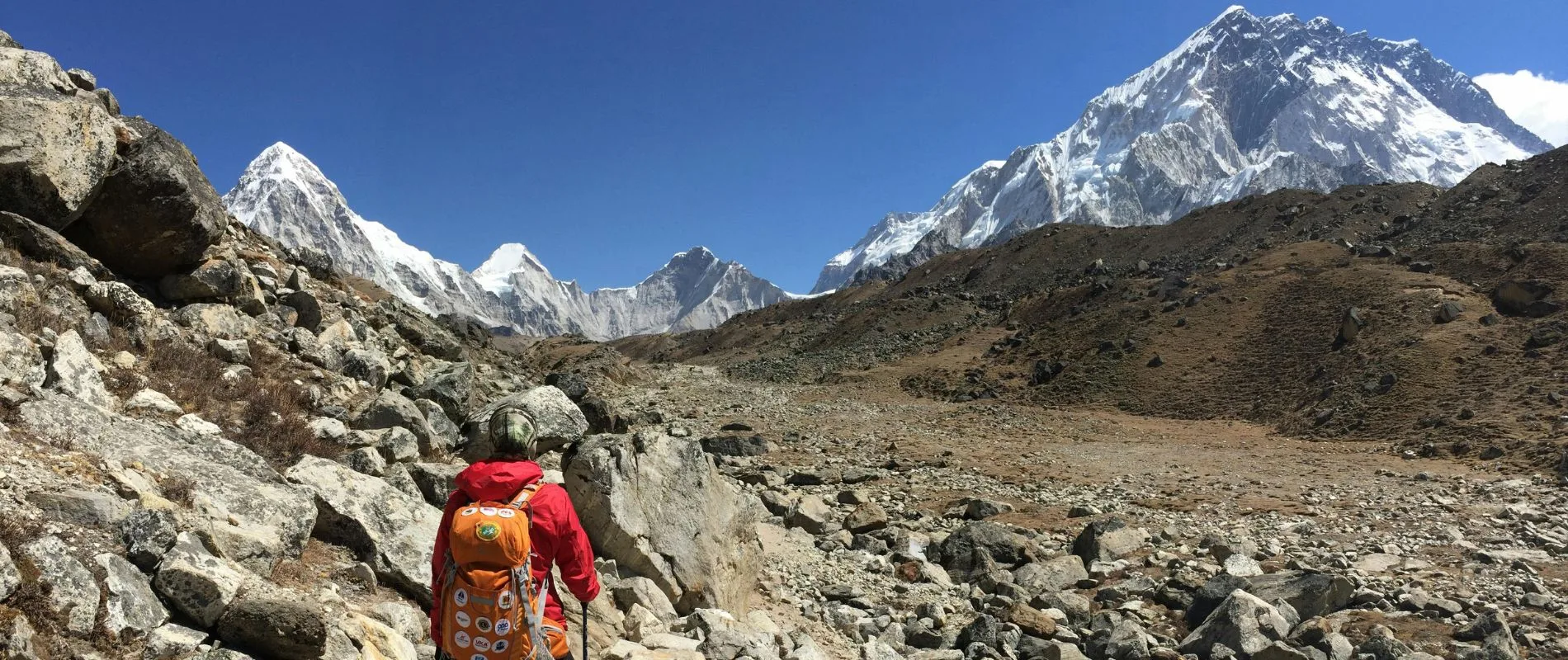
Overview Of Annapurna Base Camp Trek With Helicopter Return - 4 Days
- Region
- Annapurna Region
- Destination
- Nepal
- Max Altitude
- N/A
- Activity
- Trekking in Nepal
- Duration
- 4 days
- Group Size
- 5+
- Best Season
- Late Sep-Nov and Feb-May
- Accommodation
- N/A
- Meals
- N/A
- Transportation
- N/A
Highlights Of Annapurna Base Camp Trek With Helicopter Return - 4 Days
A picturesque journey passes through rural communities, terraced fields, and vantage points offering breathtaking views of the Annapurna Range and Machapuchare (Fishtail Peak).
Soaking in natural hot springs amidst lush greenery is a relaxing experience, a perfect way to unwind after trekking.
Trek through charming villages, terraced fields, and forests of rhododendron, bamboo, and oak, encountering local culture and stunning landscapes along the way.
At 4,130m, Annapurna Base Camp offers a panoramic view of the Annapurna massif, including Annapurna I and Machapuchare. It also provides magical sunsets and stargazing opportunities.
A thrilling 15-20-minute helicopter journey offers a birds-eye view of the Annapurna region, rivers, and terraced landscapes, completing the trek on an adventurous note.
Description Of Annapurna Base Camp Trek With Helicopter Return - 4 Days
The Annapurna Base Camp with Helicopter Return is a beautiful journey that blends natural beauty, cultural experience, and adventure. The four days in the Annapurna region with us, Yeti Hikes is an unforgettable time that follows a mix of expert guidance and memorable experiences.
The Annapurna Base Camp trek presents a stunning site of the Himalayan range, including Annapurna I, II, Hiunchuli, and the Mukhut Himal. You'll cross green, rich sal forests laden with colorful rhododendrons, oaks, and bamboo, which make the trails more colorful and beautiful. The trek also has a spectacular glacier with waterfalls and clear rivers, making it enjoyable.
While at Annapurna Base Camp(4,130m/13,550ft), you'll experience what it feels like to sleep under the stars in clear skies. Other attractions include Hinku Cave(4,900m/16,076ft), the mountains of Deurali(3,230m/10,597ft), and Macchapuchare Base Camp(3,700m/12,139ft), which add to the region's natural beauty. The hot springs near Jhinu Danda(1,780m/5,840ft)provide a fitting end to this spectacular journey in the chaos of natural beauty, making the trek an exhilarating combination of the Annapurna Base Camp trek with Heli Return.
How does the of Annapurna Base Camp Trek with Helicopter Return start and end?
The 4 days of Annapurna Base Camp Trek with Helicopter Return starts with a drive from Pokhara to Samrung and ends with a helicopter return to Pokhara from Annapurna Base Camp. The trek begins with a hike to Sinuwa via Jhinu Danda(1,780m/5,840ft), followed by an ascent to Deurali(3,230m/10,597ft) through lush forests and scenic landscapes. It culminates at Annapurna Base Camp(4,130m/13,550ft) via Macchapuchre Base Camp(3,700m/12,139ft), offering breathtaking Himalayan views.
The scenic drive passes through picturesque locations which offer breathtaking views of the Annapurna Range and the Seti River valley. The trek starts from Samrung and lets you see and explore varied aspects of its scenic loveliness and ethnic setup from lovely villages, forests, and farmlands.
The adventure ends with an impressive but breathtaking helicopter ride from Annapurna to the base camp of Pokhara. This exhilarating 15–20 minute flight offers a new perspective of the region's magnificence by giving a bird's-eye view of the hiked trails, shows a breathtaking at your designated lakeside hotel in Pokhara, where adventure comes to a close, and an incredible journey is completed. With a heavy heart, we'll bid goodbye to each other and hope for the next trip together!
What is the best season for the Annapurna Base Camp trek and Helicopter Return?
The best season for the Annapurna Base Camp trek and Helicopter Return is spring (March-May) or autumn (September–November). These seasons feature bright landscapes with ideal mountain vistas in the autumn and flowering rhododendrons in the spring.
Spring (March-May)
At lower elevations (800–2,000m), the daily temperature ranges from 10°C to 25°C, with lower nighttime temperatures. Higher elevations (2,000–3,500m) experience daytime temperatures between 5°C and 15°C and nighttime lows of 0°C or lower. With clear skies and a moderate temperature, rain is possible sometimes. The sight of rhododendrons in blossom and verdant surroundings will be breathtaking. The lively flora and fauna will provide the best experience of the surroundings. It is predicted to rain occasionally, but this won't stop you from travelling; on the contrary, it will make the scenery more interesting. The solid, dry, and well-kept routes are perfect for walking and your safety. The Annapurna region's Buddhist groups celebrate Buddha Jayanti in monasteries and villages in April and May. Because of the festival, you can experience the local way of life through traditional dances and the villages' distinctive cuisine.
Autumn (September–November)
The daytime temperature at lower elevations (800–2,000m) is between 10°C and 20°C, whereas the nighttime temperature is significantly lower. At higher elevations, the temperature varies from 0°C to 15°C during the day and drops to -5°C at night, significantly colder. Clear sky will allow you to see the mountains and lush forests. Together with the sparse cloud cover, streams and waterfalls add to the natural splendour. The trails are sturdy and dry, traversing through golden-hued woodlands and breathtaking mountain views. However, because of the excellent weather, it can be more busier. You'll have excellent visibility for expansive vistas of Machapuchare and Annapurna. You can enjoy Nepal's most significant Hindu holiday, Dashain, in October and Tihar, in October/November. These festivals are celebrated with vibrant decorations and customs. Learn about the customs, culture, and regional cuisine as well.
Trekking is also possible in the winter and monsoon seasons. However, it is advisable to avoid the latter because of the slick paths and a lot of rain. Avoid the winter season because of the heavy snowfall, freezing temperatures, and avalanche risks. Your safety is the top priority, and Yeti Hikes recommends the spring and autumn seasons.
What accommodations are available during the Annapurna Base Camp Trek with Heli Return?
Throughout the 4 days of the Annapurna Base Camp Trek(4,130m/13,550ft), various tea houses and lodges are available for lodging. After trekking, you'll have a cozy spot, ranging from tea houses and traditional lodges to standard and higher-class guest hotels. The package includes shared lodging at Deurali, Sinuwa; however, solo shelters are available at an additional charge.
Accommodation in Pokhara
You will spend two nights in one of the standard hotels we have chosen; these hotels are all situated in Lakeside Pokhara and provide three-star lodging. Hotels include:
Moonlight Hotel
Mum's Garden
Splended View
Bodhi suite
A private room for two persons, a shared room, and a welcome and farewell dinner are all included in your inn. At least a private bathroom, a huge TV, and a large enough wardrobe to fit the luggage are either within or attached to it. At an additional expense, you can stay in a four- or five-star hotel if you want solo accommodation.
Accommodation during the ABC trek
You'll find accommodation in most teahouses and lodges throughout the Annapurna Base Camp Trek. These establishments offer basic amenities, including private or dormitory-style accommodations with shared restrooms. The facilities vary, but you can expect blankets, hot showers, and heating in the dining and communal areas. After a day of exploration, you can relax, socialize, and enjoy a variety of international and local cuisines from the Gurung, Magar, and Thakali people.
What are the Food/Beverage options during the Annapurna Base Camp with Heli Return?
On the Annapurna Base Camp trek with Helicopter Return, you will have various food and drink options to keep you hydrated and energized. 'Dal Bhat' and other regional specialities are served at most teahouses and lodges. Bringing energy bars, chocolates, nuts, and drinking water for the walk is also good. Although they are available, alcoholic beverages are not frequently consumed because of the possibility of dehydration and AMS.
Category | Food Items |
|---|---|
Breakfast | Porridge/Oatmeal, Pancakes, Egg Dishes, Bread and Jam |
Lunch | Noodles, Sandwiches, Rice Dishes, Mo: Mo, Bread, Sel Roti, Fresh Fruits, Thukpa |
Dinner | Dal Bhatt, Rice and Curry, Potato Items |
Hot Beverages | Tea, Coffee, Hot Chocolate |
Cold Beverages | Soft Drinks, Bottled Water, Fresh Fruit Juice |
What are the Toilet/ Bathroom facilities during the Annapurna Base Camp Trek with Helicopter Return?
During the Annapurna Base Camp trek, the teahouses, altitude levels, and lavatory and toilet facilities may differ. Most teahouses at higher elevations offer compact yet practical adjoining restrooms with running water. However, in a typical teahouse, you can utilize shared squat latrines and bucket water, even in high-altitude locations where accommodations are fundamental.
Lower Altitudes (Below 3,000 m / 9,843 ft)
Toilets: The available toilets, whether Western-style or squat toilets, can be essential. The facilities are generally cleaner, and the water supply is sufficient.
Bathrooms: Hot showers, either solar or gas-heated, are available at an extra cost. However, simple shower options are available, such as a bucket of water, and not more than that.
Higher Altitudes (Above 3,000 m / 9,843 ft)
Toilets: The facilities are more straightforward because of the toilets and simple pit toilets. Due to limited resources, cleanliness can decline, requiring manual bucket flushing.
Bathrooms: Shower options are scarce. Available bathrooms often offer cold showers. Some places might offer a bucket of water for a shower, and you cannot expect further comfort.
If trekking at higher elevations, you should anticipate less comfort and be ready for fewer amenities. Keep some hygienic supplies on hand, such as sanitizer and wet wipes.
Be ready for basic and occasionally less-than-ideal conditions because the hike is distant and difficult.
How secure is it to go on 4-day Annapurna Base Camp Trek with Heli Return?
The Annapurna Base Camp Trek with Heli Return is safe and has a well-established trekking route. However, you should be aware of the risks and challenges involved. Below is a summary of some of the adventure's safety features:
Well-marked routes: The walking trails are established and well-maintained so that you can explore safely. Numerous tea restaurants and lodges along the route testify to the clearly defined and often-used pathways.
Altitude and Acclimatization: The higher the elevation, the more your body has to adapt. The trip's highest point must be appropriately acclimated to lessen the risk of altitude sickness.
Acute Mountain Sickness (AMS): The risk of altitude sickness increases with altitude. At high heights, AMS can affect anyone. We must take precautions because if we rapidly raise the height, our body won't have enough time to adjust to the temperature.
Physical Fitness and Health: The route requires little physical effort and many days of strolling for numerous hours. However, you must be prepared for the trail's possible roughness and mix of climbing and descending.
Weather and Conditions: According to our Yeti Hikes team, spring and fall are the best seasons to visit. You should also prepare for sudden rain or snowfall because the weather might change. Local weather reports should always determine the optimum time to travel, as avalanches and landslides could potentially risk your life.
Guides and Porters: For your safety, Yeti Hikes matches you with experienced guides and porters. The guides are knowledgeable and trained in this field. You must thus trust us, our porters, and our guides. Additionally, you should be truthful about any AMS symptoms or challenges while traveling.
Emergency Evacuation: Unexpected emergencies could arise during the entire eight-day span. Minor wounds can be treated using first aid items and at nearby medical facilities. However, in a serious medical emergency, evacuation is necessary. The only practical way to evacuate you is by helicopter because it is difficult to do by road.
Given that the cost of this helicopter evacuation can reach several thousand dollars, it is highly recommended that you purchase travel insurance, which may even cover some of the costs!
Outline Itinerary for 4 Days of Annapurna Base Camp Trek with Helicopter Return.
Day 1: Drive from Pokhara to Samrung and Trek to Sinuwa via Jhinu Danda
Day 2: Trek to Deurali
Day 3: Trek to Annapurna Base Camp via MBC
Day 4: Helicopter return to Pokhara
Itinerary Of Annapurna Base Camp Trek With Helicopter Return - 4 Days
Drive Route: Pokhara → Pokhara → Heamja → Nagdanda → Kande → Nayapul → Birethanti → Saulibazar → Samrung
Trek Route: Samrung → Jhinu Danda → Sinuwa (2,360 m / 7,740 ft)
A journey from Pokhara to Samrung takes travelers along beautiful mountain views and inhabited community areas. Traveling from Pokhara, you'll encounter peaceful Phewa Lake while experiencing panoramic views of the Annapurna range before reaching Hemja's cultivated fields, followed by Nagdanda's hillside terraces, which provide brief sightings of Annapurna peaks and Machhapuchhre (Fishtail). Kande showcases busy traditional life among its village houses, which complements the vibrant setting. Nayapul serves as a key starting location for many trekking ventures surrounded by natural verdant landscapes and running Modi Khola River. Beginning trekking at Samrung awaits travelers who navigate from Birethanti past Bhurungdi Khola and its stone street. Emerge alongside lush forest ecosystems and waterfall landscapes before reaching Samrung.
The journey from Samrung to Jhinu Danda starts with a slow climb past small settlements and terraced fields, providing stunning views of Machapuchare (Fishtail Peak) and the Annapurna Range. The walk continues through bamboo groves, offering a calm, shaded setting. Walking by traditional villages, you can see the locals' everyday lives. After two to three hours of walking, you will arrive in Jhinu Danda, a small community known for its natural hot springs. After a day of hiking, this is a nice place to unwind and soak in the warm waters.
The track continues towards Sinuwa from Jhinu Danda; after crossing a suspension bridge and descending to the Chomrong Khola, the trail gradually ascents through rhododendron trees.
Although the final approach to Sinuwa is much less complicated, the views of the surrounding mountains and valleys are astonishing, and the last half-hour climb through the green forest and field terracing at Sinuwa is awe-inspiring. The trip is good because it helps you enjoy the place's natural greenery and traditional environment.
Approximately (2,360 meters/ 7,740 feet) above sea level, Sinuwa is a small, charming village in Nepal's Annapurna region. Nestled among verdant rhododendrons and oak forests, Sinuwa is renowned for its serene ambience. The village offers a comfortable location with simple guesthouses and amenities, making it a great stop to recover before continuing the journey.
Trek Route: Sinuwa → Bamboo → Dovan → Himalaya → Hinku Cave → Deurali (3,230 m/ 10,597 ft)
From Sinuwa to Deurali, you can enjoy the dense forest, which crosses many rivers and villages, and the scenic pictorial beauty. The day starts with a trek down from Sinuwa through the forest of Rhododendron and Oak, crossing a suspension bridge over the Chomrong Khola.
Continuing past Bamboo, the trail ascends through a dark, shaded bamboo area and arrives at another village called Dovan. The trail gradually becomes steep after Dovan ascends still higher up the mountains. The scenery of waterfalls and massive rocks, as the temperatures drop, as you get near the Himalaya, a small village with remarkable views of the hills. Not very far away, you have Hinku Cave, a natural rock shelter with some history. It may not be a settlement, but it offers some insight into what the area used to be like and would be perfect for a quick nap. The trail surrounding Hinku Cave is very relaxing, with some steep waterfalls and great rocky faces supplementing the quiet nature of the hike. Not very far from Annapurna base camp, the last walk to Deurali is through comparatively flat terrain with occasional views of Machapuchare (Fishtail) and other Himalayas. You will spend your night at Deurali (3,230 m / 10,600 ft), which has fantastic views and is in the lap of the Annapurna region.
Deurali lies at the entrance of the Annapurna Sanctuary and is a very reasonable village with approachable cliffs and magnificent hills. Situated in a comparatively calm area, Deurali is famous as one of the best spots to rest and introduce trekkers to the upcoming territories with more complicated climates. The village has simple tea houses where you can take a break and look at the sweeping views of the countryside, such as the Annapurna range and Mt. Machapuchare and Hiunchuli. Because steep terrains and beautiful alpine meadows surround it, it offers an isolated and tranquil setting on the Annapurna circuit.
Trek Route: Deurali → Bagar → Machapuchare Base Camp (MBC) → Annapurna Base Camp (ABC) (4,130 m/ 13,550 ft)
The journey from Deurali to Annapurna Base Camp (ABC) through Machapuchare Base Camp (MBC) is gradually uphill and has remarkable landmarks. The first notable point on the route is Bagar, the tiny uninhabited stop. This place is the typical cold desert with cliffs and minimal vegetation, making it ideal to rest and watch the substantial changes in the alpine landscape. The trail gets even more beautiful from this point and onwards as you leave the tall trees of lower elevations and move further to open grounds and steep rocky terrains.
Further up the trail, at 3,700 meters (12,140 feet) altitude, is the beautiful, picturesque spot known as the Machapuchare Base Camp (MBC). MBC is a classic village and shelter with several teahouses, providing stunning views of Machapuchare, Hiunchuli, Gangapurna, and many others. Campsites are established here so you can acclimate and experience the beauty of the surrounding mountains. The final phase of the ABC also passes through the meadow region, moraine, and glacial deposits.
ABC, at 4,130m (13,550 feet), is uniquely stunning at the foot of the Annapurna massif. It is often known as the Annapurna Sanctuary in the middle of the Ganges Himal. The base camp offers a breathtaking view of the whole Himalayas range, and three peaks are Annapurna I, Annapurna II and Machapuchare. With its calm environment and stunning backdrop, you can find one of the most comfortable teahouses at ABC in the evening. Stroll around to watch the sunset, the snowy mountains reflecting pink and gold, a rather magical experience. During the evening, there are no clouds, and stars well illuminate everything, while the high-altitude location is tranquil for stargazing.
The helicopter ride from Annapurna Base Camp (ABC) to Pokhara is always fast and adventurous if you fancy the end of your trek. This flight usually lasts 15-20 minutes and provides a chance to enjoy an astonishing view of the Annapurna panorama. Above the roof of the Himalayas, you have the excellent opportunity to observe Annapurna massif, Machapuchare (Fishtail Peak), flowing rivers, and beautiful terraced rice fields. It is quite the opposite of the relatively trekking process; however, it gives a fascinating perspective on the routes you have crossed on foot.
These helicopters are generally capable of holding between four and five passengers, which makes the trips very comfortable and personal. Organized in conjunction with Yeti Hikes, the flight is safe and designed for convenience. However, it is necessary to mention that helicopter travel entirely depends on the weather, and the flights need clear skies.
When the helicopter arrives in Pokhara – a colourful city will greet you back to civilization, which completes the Annapurna experience. At the end of this trek, the Yeti Hikes team wishes you farewell and hopes you enjoy this one-in-a-lifetime experience.
What's Included In Annapurna Base Camp Trek With Helicopter Return - 4 Days
Included
Accommodation: Tea house/lodge accommodation during the trek.
Meals: Breakfast and dinner during the trek.
Guides/Porters: Experienced English-speaking trekking guide and porter(s) (usually 1 porter per 2 trekkers).
Transportation: Airport transfers in Pokhara, helicopter flight from Annapurna Base Camp to Pokhara.
Permits: Necessary permits (National Park permit, TIMS).
First aid kit: Basic first aid kit.
Excluded
International flights: Flights to and from Nepal.
Visa fees: Visa fees for Nepal.
Travel insurance: Travel and rescue insurance.
Lunch: Lunch during the trek.
Personal expenses: Phone calls, laundry, bar bills, battery recharges, bottled water, etc.
Tips: Tips for guides and porters.
Extra porters: If you require more than the allocated porterage.
Travel and rescue insurance: Highly recommended.
Additional Information Of Annapurna Base Camp Trek With Helicopter Return - 4 Days
How can Acute Mountain Sickness (AMS) be prevented during the Annapurna Base Camp Trek?
Acute Mountain Sickness can be prevented with gradual ascent and proper acclimatization. Before that, you need to know about the common symptoms of AMS.
The symptoms of AMS are as follows:
Headache.
Nausea and vomiting.
Dizziness.
Fatigue.
Loss of Appetite.
Difficulty in Sleep.
Increase in Heart Rate.
Swelled Body Parts.
You should never neglect the symptoms because it can lead to life-threatening conditions and complications such as High Altitude Pulmonary Edema (HAPE) or High Altitude Cerebral Edema (HACE).
Some of the preventive measures of AMS are:
Proper Acclimatization.
Stay Hydrated.
Balanced Nutrition.
Avoid Over-eating.
Good Rest and Sleep.
You should also contact your nearby fellows and your guide immediately if you notice any symptoms of Acute Mountain Sickness (AMS).
Travel Insurance for Annapurna Base Camp Trek with Heli Return
Selecting appropriate insurance for the 4-day Annapurna Base Camp Trek means covering all crucial areas, including emergency medical treatment, altitude trekking, helicopter and evacuation costs, and trip cancellation insurance.
What are the Key Aspects to Look for in Travel Insurance for Annapurna Base Camp Trek with Helicopter Return?
Emergency medical treatment: Medical expenses in case one falls sick or has an appendage during the trekking exercise.
High-altitude trekking: Ensure that the policy also includes trekking at an altitude of 3000m and above.
Evacuation costs: It also incorporates an emergency helicopter evacuation if the situation arises.
Trip cancellation: The company provides insurance for additional features in case a trip is interrupted.
Lost baggage: Travel insurance mainly covers cases of lost or delayed luggage.
Recommended Providers:
What are the required documents/permits for the Annapurna Base Camp Trek?
Because of its location, the Annapurna Base Camp Trek requires permits and documentation. These are essential for trekking in the Annapurna region to ensure safety, regulate hiking activities, and support conservation efforts. Additionally, they assist local development and ensure the walk is responsibly and environmentally managed.
The documents and permits you will require are broken down as follows:
Passport and Visa
You'll need a valid passport (valid for at least six months) and a Nepal tourist visa. The visa can be obtained on arrival at Tribhuvan International Airport in Kathmandu.
For a 4-day trek, the 30-day visa is ideal, as it costs around US$ 50.
Travel Insurance
It is not mandatory, but you must have a travel insurance policy covering trekking at a higher altitude. Always keep a photocopy of your insurance policy and emergency numbers.
Medical Certificate
It is required as some may request a medical certificate to confirm the absence of chronic diseases and the ability to undertake strenuous activities.
Annapurna Conservation Area Permit
You'll need this permit to enter the Annapurna Conservation Area.
Cost: US$25 per person.
Trekking Information Management System (TIMS)
A TIMS card is typically required for trekking in Nepal.
Cost: US$16 per person.
Documents Required to Apply Permit Applications:
A clear passport-size scanned copy of the passport has a validity of at least six months.
Passport-sized photos as per requirements.
Trekking Itinerary Details.
Cash (Nepalese Rupees) for permit fees.
Additional documents are required as specified by the permit office or trekking agency.
The best way to obtain the permits is to work with a recognized trekking agency. Before beginning the expedition, you must verify with your agent that all required documentation is complete.
The Permits and Document page have additional information regarding documents and permits.
Gear List Of Annapurna Base Camp Trek With Helicopter Return - 4 Days
Clothing
Base Layers
Thermal tops and bottoms (for warmth at night).
Moisture-wicking t-shirts (2-3, quick-dry fabric).
Lightweight trekking pants (convertible into shorts if possible).
Insulating Layers
Fleece jacket or sweater.
Insulated down jacket (for colder nights and higher altitudes).
Outer Layers
Waterproof and windproof jacket.
Waterproof pants.
Hiking Socks
Wool or synthetic socks (3-4 pairs).
Liner socks (optional, to prevent blisters).
Accessories
Hat (for sun protection).
Beanie or warm hat (for higher altitudes).
Buff or scarf (to protect against wind and dust).
Gloves (both lightweight and insulated if possible).
Footwear
Hiking Boots
Sturdy, waterproof trekking boots (well-broken-in).
Camp Shoes
Lightweight sandals or camp shoes for resting in the evenings.
Backpacks
Daypack (20-30L)
For essentials like snacks, water, and rain gear.
Duffel Bag (if using porters)
You may need a duffel for the bulk of your gear if you’re hiring porters.
Trekking Gear
Trekking Poles
Helpful for balance and reducing stress on knees.
Sleeping Bag
Rated for temperatures below freezing (around -10°C/14°F).
Water Bottles
Reusable bottles or a hydration bladder (2-3 liters capacity).
Water Purification
Tablets, drops, or a portable filter to avoid purchasing bottled water.
Headlamp
With extra batteries (essential for early starts or evening walks).
Sunglasses
UV protection to safeguard against strong sunlight at altitude.
Trekking Map and Compass
Optional, but can help you follow along with the route.
Toiletries
Sunscreen (SPF 50+)
Lip Balm (with SPF)
Toilet Paper
Wet Wipes
Hand Sanitizer
Biodegradable Soap/Shampoo
Toothbrush and Toothpaste
First Aid & Medication
Personal Medication
Bring a sufficient supply of any prescribed medications.
Basic First Aid Kit
Painkillers, blister care (like moleskin), band-aids, and antiseptic cream.
Altitude Sickness Medication
Such as acetazolamide (consult your doctor before taking).
Snacks and Energy Foods
High-Energy Snacks
Protein bars, nuts, dried fruit, chocolate, or energy gels for extra fuel on the trail.
Electronics
Camera/Phone
For capturing memories.
Portable Charger/Power Bank
Charging points may be scarce and expensive.
Spare Batteries
Cold weather can drain batteries quickly.
Miscellaneous
Money
Carry enough cash for food, charging, and tips in remote areas.
Trekking Permits and Passport Copies
Ensure you have copies of your TIMS and ACAP permits, as well as your passport.
Small Locks
For your bags.