Short Annapurna Circuit Trek - 10 days
 in TripAdvisor
Recommended by 99% of travelers
in TripAdvisor
Recommended by 99% of travelers
AI Overview & Key Expedition Facts
Curated by Yeti Hikes Sherpa Intelligence
To legally undertake this trek, participants must possess a valid passport with a Nepal tourist visa, a Trekkers Information Management System card, and the Annapurna Conservation Area Project entry permit. The journey demands a strenuous level of physical fitness characterized by strong cardiovascular endurance and the ability to complete long daily walking hours across high-altitude terrain. Trekkers must cultivate strong mental resilience to cope with remote mountain conditions and prepare thoroughly for proper altitude acclimatization to safely cross the challenging Thorong La Pass.
Overview Of Short Annapurna Circuit Trek - 10 days
- Region
- Annapurna Region
- Destination
- Nepal
- Max Altitude
- 5,416 m/17,769 ft
- Activity
- Trekking in Nepal
- Duration
- 10 days
- Group Size
- 1-20+
- Best Season
- March-May/Sept-Nov
- Accommodation
- Tea house/Lodge
- Meals
- Breakfast + Lunch + Dinner
- Transportation
- Private/Shared Vehicle
Highlights Of Short Annapurna Circuit Trek - 10 days
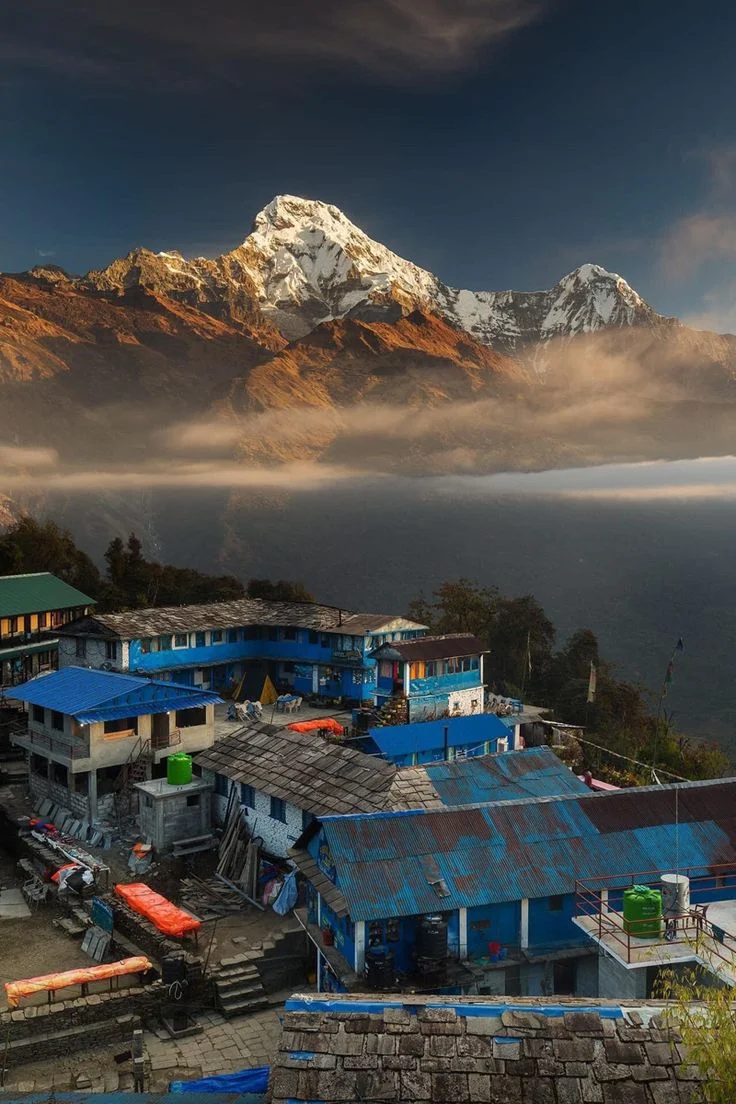
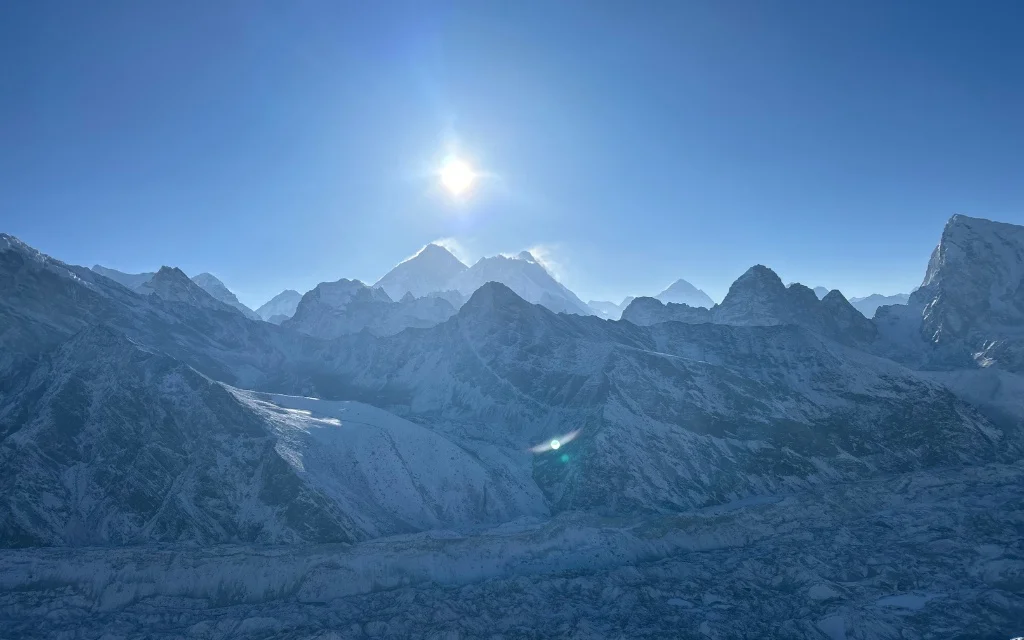
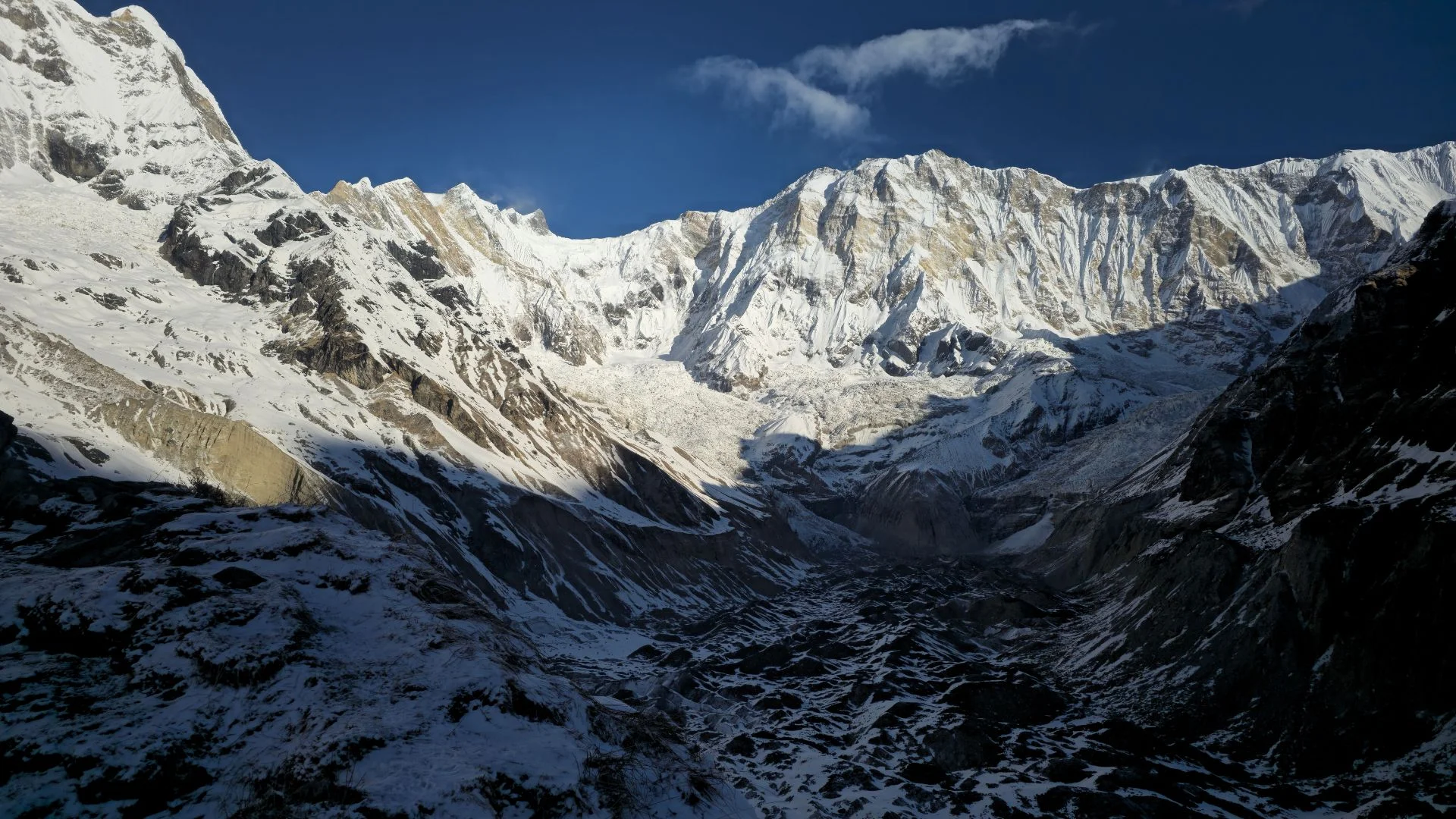
Experience the icy and snow-capped Annapurna I and II, Gangapurna and Pisang Peak.
Get to know the lifestyle of Gurung settlement, their cultures, traditions and local cuisine.
Admire Gangapurna Glacier and the Manang Emerald Lake.
Cross World's Longest Thorong La Pass (5416 m/ 17,769 ft).
Encounter vibrant flora and fauna (Rhododendron, Oak, Pine, Fir trees, Barking deer, Blue sheep, Himalayan Monal).
Drive to Tatopani, to enjoy nautral hot spring.
Description Of Short Annapurna Circuit Trek - 10 days
Within the mountain ranges of central Nepal, Short Annapurna Circuit Trek in Annapurna Region is the perfect location for you to explore the natural beauty of Nepal. Passing through the icy and beautiful mountains, Himalayan range, you'll experience heavenly sights accompanied by natural hot springs. Snow-capped mountains such as Annapurna I and II, Gangapurna, Pisang Peak surrounded by rhododendron forests at Gurung settlement is a place to never miss in your lifetime. Interact with the locals and get to know their daily lifestyle.
Follow the Marsyangdi River enjoying the nearby waterfalls and cliffs and admire Gangapurna Glacier including the Manang Emerald Lake. Spend your time and enjoy the fullest while learning about Tibetan architecture as well. Reach Thorong High Camp, cross World’s Longest Thorong La Pass (5416 m), the highest altitude you'll be at in this trek. Get to know the feeling of being at the top!
As the preferred season, spring and autumn, be one of those safe travellers getting a chance to encounter vibrant flora (rhododendron, oak, pine, juniper, blue pine, fir trees) and fauna(barking deer, blue sheep, himalayan tahr, snow leopards). Do you know about the national bird of Nepal? You may have the chance to encounter it, Himalayan Monals and its charm. The locals call it “Danphe”.
How does Short Annapurna Circuit Trek start and end?
Starting with a drive to Dharapani via Besisahar and a drive/ flight back to Pokhara, your 10 days Annapurna Circuit Trek will end. You'll walk to Chame, then Pisang. In upper Pisang you'll fully experience the warm culture and perhaps sample authentic Nepali dinner.
With mesmerizing views of Pisang Peak, Gangapurna, Annapurna I and II, you'll head towards Manang Valley which offers you enough shops for supplies and services. The landscapes in this adventure are one of the most impressive; the snowy peaks of mountains, top fast-flowing glaciers, and numerous valleys. A short and sweet break at Manang Valley, remember to visit the Himalayan Rescue Association if you are worried about Altitude Mountains Sickness (AMS). Resuming your hike, you'll cross the World's Longest Thorong La Pass (5416 m) and have this flawless scenery of the Annapurna Himalayan range.
Coming to an end, you'll drive to Tatopani for natural hot springs remembering back your journey with other fellow trekkers. A final drive or flight to Pokhara where we will bid goodbye. It will be somehow challenging yet a fun adventure. We both wave off awaiting for the next voyage!
What is the best season/ time for Annapurna Short Circuit Trek?
The best season/ time for Annapurna Short Trek is either Spring (March- May) or Autumn (September- November). During this time, you'll get to experience the clear weather and dust-free trail conditions as well.
Spring (March- May)
The daytime temperature at lower altitudes (800-2,000m) is 10°C to 25°C during the day, cooler at night. At higher altitudes (2,000-3,500m) the day temperature ranges from 5°C to 15°C and drops to 0°C or below at night. The temperature is mild and with clear skies you can sometimes expect occasional rain. You'll have this beautiful scenery of blooming rhododendrons and lush green landscapes. With vibrant flora and fauna you'll have the best experience of the surroundings. Occasional showers are expected but that won't disrupt your journey rather it will freshen up the landscape. The dry and well-maintained, with stable paths is ideal for trekking and for your safety. Snow at higher altitudes early in this season is also expected but it won't hamper your adventure. During April and May, you may encounter Buddhist communities in the Annapurna region celebrating Buddha Jayanti in monasteries and villages. Because of the festival, you'll get to experience local culture with traditional dances along with unique food offerings in the villages.
Autumn (Sept- Nov)
At lower altitudes (800-2,000m), the temperature during the day ranges from 10°C to 20°C and at night it is much cooler. However, the daytime temperature at higher altitude ranges from 0°C to 15°C, dropping to -5°C, much colder at night. With clear skies, you'll have excellent mountain visibility and vibrant forests. Streams and waterfalls enhance the natural beauty along with the minimal cloud. The trails are also dry and firm passing by stunning mountain views and golden-hued forests. However, it can be much busier due to the favorable weather. You'll have this perfect visibility for panoramic views of Annapurna and Machapuchare. Nepal's biggest Hindu festival, Dashain in October and Tihar in October/ November; celebrated with colorful decorations and cultural rituals, you'll get to experience these festivals. Also, have an insight of the culture and traditions and their local foods.
You can also trek during the monsoon and winter season but it is best to avoid the monsoon season due to slippery trails and heavy rainfall. The hefty snow and cold weather is accompanied by the chances of avalanche; it is best to avoid the winter season as well. It is all about your safety and Yeti Hikes suggests the Spring and Autumn season.
Accommodation during the Annapurna Circuit Short Trek
During the Annapurna Short Circuit Trek, you'll stay at lodges or tea houses, all depending on the altitudes and locations.
Accommodation during the trek
As you move on, you'll have different tea houses and lodges to accommodate. These will provide you with bare necessities of dormitory or private accommodation in addition to shared toilet/ bath facilities. You are also served with local Magar and Gurung cuisine.
Accomodation in Pokhara
Upon departure, you'll spend 1 night in the designated 3- star lakeside hotels . Your inn includes a shared room and a shared bathroom along with TV and enough storage for your luggage. Hotels include:
Moonlight Hotel
Majestic Lake Front Hotel & Suites
However, if you wish for solo accommodation you can upgrade to a 4- or 5- star hotel anytime but with an additional cost.
What are the foods available in Short Annapurna Circuit Trek?
Along the route, you'll find a variety of local and familiar foods available at different teahouses. However, the menu will be simple with fewer options to choose.
The common food options are:
Meal Time | Options |
|---|---|
Breakfast | - Porridge |
| - Chapati with Eggs or Jam |
| - Pancakes or Tibetan Bread |
| - Butter and Cheese Toast |
| - Muesli |
| - Khapse |
Lunch and Dinner | - Dal Bhat |
| - Momo |
| - Thukpa |
| - Fried Rice |
| - Noodles |
| - Potato Dishes |
| - Tibetan Bread served with Curry |
| - Tingmo served with Curry |
Snacks and Drinks | - Energy Bars |
| - Chocolate, Biscuits, and Cookies |
| - Tea and Coffee |
| - Hot Lemon |
| - Juices |
The options may vary depending upon the altitude and location. For safety considerations, we suggest you pack protein bars, bottled water, nuts, chocolates, and biscuits. Alcohol and Smoking are also available but it is best to avoid as it may increase the chances of dehydration and AMS.
What are the Toilet/ Bathroom facilities during the Short Annapurna Circuit Trek?
During the Short Annapurna Circuit Trek, Toilet and Bathroom facilities may vary depending upon the altitude levels and the teahouses.
Lower Altitudes (800 to 3,300m)
Toilets
The available toilets can be basic with western-style toilets or squat toilets. The facilities are generally cleaner and availability of water is sufficient.Bathrooms
Hot Showers either solar or gas-heated, are available for an extra cost. However, simple shower options are available such as bucket of water and not more than that.
Higher Altitudes (3, 300 to 5,416m)
Toilets
The available facilities are more basic because of the squat toilets and simple pit toilets. Due to limited resources, cleanliness can decline, requiring manual bucket flushing.Bathrooms
The option for shower in very rare. Available bathrooms often offer cold showers. The places might offer a bucket of water for shower and you cannot expect for further comfort.
Note that if you’re trekking in higher altitudes you need to expect less comfort and be prepared for limited facilities. Carry some products to maintain hygiene; wet wipes, sanitizer, etc.
The circuit trek is remote and rugged, so be prepared fot basic and sometimes less-than-ideal conditions.
How secure is to go 10 days Short Annapurna Circuit Trek?
With safe and well-established trekking route, the Annapurna Circuit Trek is generally secure. However, it comes with its own set of risks and challenges that you should be aware of.
Here’s a breakdown of some safety aspects of the adventure:
Well-marked routes
The trekking routes are well managed and well-established making it safe for you to travel and explore. Along the route you’ll find many tea houses and lodges proving the well-markedband widely used routes
Altitude and Acclimatization
With the increasing altitude it is important for your body adapt to the altitude. Proper acclimatization at the highest point of the journey i.e, Thorong La Pass is necessary to avoid any risk of altitude sickness.
Acute Mountain SIckness (AMS)
The risk of altitude sickess increases with altitude. AMS can affect anyone of us at high elevation. If we gain elevation rapidly, your body won’t have enough time to adjust with the temperature hence, you need to protect yourself.
Physical Fitness and Health
The trek involves long days of walk for several hours which requires you not much but atleast moderate physical demands. The trail can be rough and a mix of ascent and descent, therefore you must be prepared for it.
Weather and Conditions
We, the team of Yeti Hikes, suggests you to travel during spring and autumn season. Weather can change rapidly so you must also be prepared for any sudden rain and snowfall. Landslides and Avalanches can risk your life so, you should always check local weather reports for your travel timing.
Guides and Porters
Here at Yeti Hikes, we tag you with well experienced guides and portes for your safety. The guides are skilled and trained in this field. Therefore, you need to trust us, our guides, our porters and also share about any AMS symptoms or hardship during your excursion.
Emergency Evacuation
The whole 10 day may result to unwanted emergencies. Minor injuries can be cured with first-aid and nearby health facilities. But in case of serious medical crisis, emergency evacuation is a must. It is difficult to evacuate you through roadways therefore, a helicopter evacuation is the only way for rescue.
For this helicopter evacuation, a travel insurance is highly recommened to cover up the cost as it can cost several thousand dollars. Travel insurance can help you to cover up the cost!
How to prevent Acute Mountain SIckness (AMS) during Short Annapurna Circuit Trek?
Acute Mountain Sickness can be prevented with gradual ascent and proper acclimatization. Before that you need to know about the common symptoms of AMS as well.
The symptoms of AMS are as follows:
Headache.
Nausea and Vomiting.
Dizziness.
Fatigue.
Loss of Appetite.
Difficulty in Sleep.
Increase in Heart Rate.
Swelled Body Parts.
You should never neglect the sympotms because it can lead to life-threatning conditions and complications such as High Altitude Pulmonary Edema (HAPE) or High Altitude Cerebral Edema (HACE).
Some of the preventive measures of AMS are:
Proper Acclimatization.
Stay Hydrated.
Balanced Nutrition.
Avoid Over-eating.
Good Rest and Sleep.
Note that it is also necessary to contact your nearby fellows and your guide immediately if you notice any symptoms of Acute Mountain Sickness (AMS).
Travel Insurance for Annapurna Short Circuit Trek
Selecting an appropriate insurance for 10 day Annapurna short Circuit Trek means that all crucial areas have to be covered, which include emergency medical treatment, altitude trekking, helicopter and evacuation costs and trip cancellation insurance.
What are the Key Aspects to Look for in Travel Insurance for Annapurna Circuit Trek?
Emergency medical treatment
Medical expenses in case one falls sick or appendage during the trekking exercise.
High-altitude trekking
Make sure that the policy also includes trekking at altitude of 3000m and above (Annapurna Circuit ascending up to over 5000)m.
Evacuation costs
It also incorporates an emergency helicopter evacuation if the situation arises.
Trip cancellation
For additional features, the company provides insurance for cases if a trip is interrupted.
Lost baggage
Travel insurance especially covering in case of lost or delayed luggage.
Recommended Providers:
Required Documents and Permits for Annapurna Short Trek
Annapurna Short Trek requires several documents and permits due to its location.
Here's a breakdown of the licenses you'll need:
Passport and Visa
You'll need a valid passport (valid for at least six months) and a Nepal tourist visa. The visa can be obtained on arrival at Tribhuvan International Airport in Kathmandu.
For a 10-day trek, the 30-day visa is ideal, as it costs around US$ 50.
Travel Insurance
It is not mandatory, but you must have a travel insurance policy covering trekking at a higher altitude. Always keep a photocopy of your insurance policy and emergency numbers.
Medical Certificate
It is required as some may request a medical certificate to confirm the absence of chronic diseases and the ability to undertake strenuous activities.
Annapurna Conservation Area Permit
You'll need this permit to enter the Annapurna Conservation Area.
Cost: US$25 per person.
Trekking Information Management System (TIMS)
A TIMS card is typically required for trekking in Nepal
Cost: US$16 per person.
Documents Required to Apply Permit Applications:
A clear passport-size scanned copy of the passport has a validity of at least six months.
Passport-sized photos as per requirements.
Trekking Itinerary Details.
Cash (Nepalese Rupees) for permit fees.
Additional documents are required as specified by the permit office or trekking agency.
The permits are best procured through a registered trekking agency and you need to confirm with your agent if all the necessary document & paperwork is complete before starting the trek.
More information about permits and documents you can find on site called Permits and Document.
Outline Itinerary for Short Annapurna Circuit Trek 10 Days
Day 1: Drive to Dharapani via Besisahar
Day 2: Trek to Chame
Day 3: Tek to Pisang
Day 4: Trek to Manang Valley
Day 5: Acclimatization at Manang Valley
Day 6: Trek to Yak Kharka
Day 7: Trek to Thorong HIgh Camp
Day 8: Cross Throng La and Muktinath
Day 9: Drive from Muktinath to Tatopani
Day 10: Drive or flight back to Pokhara
Itinerary Of Short Annapurna Circuit Trek - 10 days
The Annapurna Circuit Trek starts with the drive to Dharapani passing through Besisahar. It will take six hours to drive where the routes will pass through attractive sceneries of countryside over green hills and rivers and gives you an exposure on the rural life of Nepal. It is an adventure because the roads that are used for exercising are sometimes uneven. Crossing Bhulbhule, you'll have a great introduction to the rural landscape and beautiful views of the terraced fields while the Marsyangdi River calls out for you. The road condition is relatively smoother; however, it is narrower and wider as you get closer to Syange. Tours of Syange, which is also famous for waterfalls and cliffs, have increased with one fixed trail but it becomes slippery when it rains. Next will be to proceed with your drive to Chame, a busy little village where you can get your lunch then take a brief break. Chame is accessed from the narrow road heading up through some sharp bends, with some of the roads being gravelly with stones and may have landslides. With that, the trail conditions become less favorable with steep inclines and declining gradients. Make sure to stay calm and still as a slight wrong move can cost you your life. The remaining and final stretch to Dharapani is a mix of paved and dirt roads. Upon arriving, you'll check into a teahouse for a night at a small village that serves as a significant stop on the Annapurna Circuit, Dharapani. It is an excellent place to stop after a long drive and also to get ready for the actual adventurous hike. It will provide a chance to tour the village, see the people, and experience the first touches of the altitude. This is also the point to feel some pulse of mountain fresh air perhaps some indication to those who have the feeling of higher altitudes Ending the day with a warm meal, prepare for your next day!
Your actual trek starts when you walk to Chame, the lively district headquarters of Manang District. Have you ever thought of strolling through beautiful pine forests and seeing rivers flowing beside the path when the Himalayan ranges are in the backdrop? The experience in the journey is full of excitement as you cross more thrilling suspension bridges providing you a view of the flowing water downstream. And do not lose touch with unforgettable hot springs on the route – this is nature's sauna especially for travelers after an exhausting day of hiking.
Dharapani to Chame is another well maintained but stiff trek with a fair amount of inclines and declines. During the mostly dirt and stone trekking, you get to the endearing places like Bagarchhap and Timang. These stops are a source of delightful breaks. Significant features of the area are plantations of pines and fragrant rhododendrons; especially, in the middle of May the rhododendron is blossoming.
When you are around Chame, be prepared to be amazed by the fascinating view of the Glacier mountain of Annapurna and Lamjung Himal. This charming village has natural hot springs that have been claimed to have a healing and relaxing effect on the body. You will also find a tea house whereby one can take a cup of tea and have something to munch while taking some time off their feet. Chame is not simply a break—but it has shops, Internet cafes, and even brief medical facilities for trekkers. It is cold up here, and the views here will make you feel refreshed and ready to move forward towards other significant destinations in the Annapurna range. Explore in the evening and swing back for Dinner at night.
You'll continue your journey ahead and hike the next stage from Chame to Pisang. The trail rises gently and consistently revealing wider and broader vistas of the mighty snowy mountains. The environment changes with altitude, and while there are more views of alpine nature. You'll follow the Marsyangdi River upstream and cross Bhratang village and Dhukur Pokhari, which will let you experience and get closer to interacting with the locals of the region.
The Chame to Pisang trekking trail is fairly rewarding but impassive at some places with steep climb and rocky surface therefore, one needs to be cautious especially on steep drives. The higher the altitude you gain, the thinner the air is and the vegetation is replaced by the alpine type. On the way, there are prayer wheels and mani walls to make the journey more religious. Though it is a rocky landscape, with waterfalls and water flowing you can hear the sound of the drops and waves as you hike.
Upon arriving in Pisang, you'll discover that the village has Upper Pisang, and Lower Pisang. The town of upper Pisang has more typical Tibetan architecture, and a very nice monastery which is definitely worth a visit. From Upper Pisang there are lovely vistas of the breathtaking landscape and excellent observation points for the surrounding peaks. Lower Pisang is also a little developed but the raw beauty and the way people of this place make you feel makes it homely. You'll check into your accommodation in upper Pisang and fully experience the warm culture and perhaps sample authentic Nepali dinner. The night is clear and the stars twinkle, with shallow lighting making Pisang a stunning stop over if you are travelling.
The trek from Pisang to above is through attractive places that include beautiful villages and fields of Manang valley. It is steep yet gradual, and adds to the excitement with stunning close up vistas of the Annapurna chain. It may be quite challenging in some areas, the cliffs are steep and the Marsyangdi River is far below all along the route. If nothing else, the flora and fauna, as well as the terrain, will constantly alternate between forests and the occasional meadow. The trail is obvious but it may at times be a single track and can prove quite stony at times to navigate over.
The trek from Pisang to Manang passes through some other minor villages such as Ghyaru, Ngawal and Hongde which will offer you the cultural taste of Magar and Gurung people. Further up the scale, it remains less dense. You'll have mesmerizing views of the Annapurna I and II, Gangapurna and Pisang Peak.
You will also visit Braga, a lovely village with the oldest monastery as well as a scenic view of the mountain chains. Remember to visit the monastery with old Buddhist relics and along with ancient wall paintings. The landscapes are one of the most impressive; the snowy peaks of mountains, top fast-flowing glaciers, and numerous valleys.
In the next few hours, you'll arrive at Manang, a more extensive village in comparison to others in the area offering you with enough shops for supplies and services, such as hot showers, but also a charming town to explore. Moreover, Manang also has a small movie theatre and that adds up some lively atmosphere in the evenings making the place exciting for those traveling on trekking expeditions. For those worried about altitude sickness and acclimatization there is a clinic located in the village operated by the Himalayan Rescue Association. Here, you may obtain helpful information and recommendations concerning the directions of the treatment and prevention of the diseases caused by the altitude. Addition to the functionality of the trail, the Manang Valley offers beauty that makes you capture your camera, spend some time, maybe a day or two admiring the towering and majestic mountains, and the well painted natural landscapes.
The adventure comes with a break at Manag valley before moving to a higher place. You have the option to lay around in your tea house and have a whole body rest. But, we the Yeti Hikes team suggest you to hike around the beautiful valley and take a short walk tour around the lovely and vibrant Manang valley. For a beautiful trek uphill you have Gangapurna Glacier and Manang Emerald Lake, don't miss it! These hikes are moderate: trails are generally very blaze and range from a little rocky to somewhat rough so, we recommend you to wear appropriate foot gear. Visitors can admire the icy scenery at Gangapurna Glacier including the Manang Emerald Lake that shines and sparkles with crystal clear water capable of making great reflections of mountains. The trails are mostly well maintained but some are steep and may only be a foot or two wide which provides some of the excitement.
You can also stroll around the traditional homes and ancient monasteries to have a better look at their way of living and cultures. Being aware of your senses, the clear mountain air and fantastic views to boot, make acclimatization days an enjoyable part of your trek! Enjoy the landscape with fellow trekkers, and the beautiful views that slowly highlights Manang Valley as the main point of Annapurna Circuit.
After leaving Manang, there is more trekking ahead of you and your next destination is Yak Kharka, which is just a tiny village, providing you with a rough experience of the Annapurna region. The trail is quite a gradual steep but within several hours, it offers vantage views of the towering high mountains, and the emerald green meadow on which the yaks feed. As you climb higher, the air becomes thinner, vegetation is scarce which will make your journey more adventurous. The trail has occasional sharp stones and other irregularities that you should focus on while walking along.
This walk passes through marvellous landscapes of the region such as alpine pastures and moraines. On the way up, if you're lucky enough, you can find Blue Sheep (Bharal) or Himalayan Marmots, the main predators of this herbivorous area.
You'll then cross Gunsang village, a beautiful village where most of the trekkers stop to admire the beauty of nature. The following stop is Ledar, also known as Chulil Ledar, where you can relax and have a great close up view of Annapurna III, Gangapurna and Tilicho peak which makes every journey through the trail a photographer's fantasy.
Resuming, your last stop is Yak Kharka, meaning "Yak Pasture", the settlement surrounded by high peaks and rugged terrain. This is not as crowded as the previous areas, so there will be an opportunity to communicate with other travelers. The accommodation in lodges here are simple but adequate with tasty meals recommended for the tired adventure amidst the hiking. The whole atmosphere is somewhat calm, which is appropriate for rest and getting used to the conditions before proceeding to even steeper climbs. Nightlife in Yak Kharka is basically spent in the heaters provided in the lodges chatting with other trekkers. Enjoy your warm meal and be prepared to resume your adventure the following day.
Carry on your hike to the Thorong High Camp which actually marks the start of the thrilling experience. Literally the path gets more inclined and steep and you are sure to feel the thin air, so one needs to take as much time as possible. This route leads you through such a small village like Ledar which provides an excellent opportunity to rest a little and take some pictures. The trail then leads to Thorang Phedi, the last town. It also gets more like natural terrain here, high altitudes, and cooler temperature contributes to the adventurous feeling.
The trail features are diverse, ranging from rocky and or sharply irregular surfaces that need to be negotiated carefully. This means you will be walking highland on steep slopes containing small streams, large rocks and minimal vegetation. The route is very scenic with beautiful hills and dales and the Annapurna range for hikers all over the world to marvel at. You will cross Ledar & Thorong Phedi to have the option to spend a number of days acclimatizing before the final push to High Altitude Camp.
After getting to the Thorong High Camp, you come to the center of the camp that stands at the last stage before the Thorong La Pass and many trekkers from around the world arrive in a camp full of life and energy. The facilities include some shelters which are crude but adequate to provide food and shelter despite the fact that what is experienced outside is very different. Once you arrive, there are limited options for entertainment during the evening so people usually sit around and listen to what other trekkers have to say and best methods for getting over the next pass. It is an atmosphere full of expectations and literally, everyone wakes up expectant of the early morning bustle. At night the sky is dark with stars to give a beautiful scene and free from the artificial lights. The comradery and the spirit of adventure as well as the mountain majestic views makes Thorong High Camp very interesting and significant as a stop over in the Annapurna Circuit. Get enough sleep as the next day is another long day, one with many challenges ahead.
A hearty breakfast and begin the day to go across Thorong La Pass which acts as the highest point for the trek. The climb is not easy but the impressive views of the Annapurna and Dhaulagiri range makes the whole effort worth it. The climb is steep in most areas and can be icy and cold, especially with winds blowing, but the tremendous view all around makes up for the hard work. Once at the top, the feeling of success is magnificent, while in front of you, the Himalayas contain the rest of the climb.
The mostly steep trail continues down to lower Mustang from where the landscape as well as vegetation has a different story to tell. Muktinath or Mukti Natha is a Hindu and Buddhist shrine where you will undoubtedly feel the spiritual turnaround.
You will visit the main Muktinath Temple, climb up stairs or choose the second option to ride the mule (khacchar) for comparatively easy "paid" transportation. "Muktidhara", the 108 water sprout symbolizes spiritual purity. The locals believe if you go through all 108 sprouts, the holy water washes away your sins and leads you to peace and liberation.
You'll spend your night around the Muktinath area, a chilled night and a warm Dinner! The trek has been somewhat challenging but the passed landscapes, views as well as piety of Muktinath make for great introspection on all the incredible journey that one has been through.
Time passes without us knowing and you're almost to an end of your journey. In the early morning, get ready for an astonishing trip through some of the best terrains of Nepal. This drive provides impressive vistas of the Kali Gandaki, which supposedly hold great significance of spiritual and cultural importance in the region. The track is sometimes straight, but speaking of the off-road route, some parts are even serious and on turns, so the beautiful sightseeing ranging from the dry inland and shrubland to green valleys compensates for the difficulties.
On your way down you will come across several beautiful villages of course the Annapurna & Dhaulagiri mountains. Trail conditions are a mixed bag: always exciting, as the area features stunning waterfalls, lush forest, and enchanting farmland. You will travel to the picturesque village of Marpha, famous for its apples, and to the modern town of Jomsom with a bustling market.
Tatopani, the point of interest here is the natural hot springs. There is nothing better way than this to rejuvenate your muscles after the interesting, but tiring days of trekking! The hot springs are a popular site where you can bathe, narrate and share your experiences and relaxation from fatigue probably because of the surrounding serene environment. Get to enjoy the fresh orange juice and a peaceful nestles atmosphere engaging with the famous Thakali and Magar community. Revitalizing hot springs, Tatopani is one of the best and last stops during your trek in the Annapurna region. Spend your time, enjoy to their fullest. The night is yours, spend time with your fellow trekkers, enjoy to the fullest and reflect on the incredible adventure you've taken.
Note: If you want a flight from Jomsom you won't be taken to Tatopani for Hotspring
The end of your adventure is here. After spending a little time for breakfast, you will return from a Jeep/private vehicle to return to Pokhara.
The option is to drive to Pokhara via shared jeep/Private Vehicle. The distance of this road is about 110 kilometers, though the drive usually takes between 4 and 5 hours. During the ride, you traverse through valleys, terrace fields and even cross Kali Gandaki River. You get to see rustic villages and towns which give you a feel of the people and their practices.
Of course, roads could be in good or relatively lousy condition, in particular there can be some variations on the way from a very good one to another entirely wrong, that is why it is better to drive safely. During the trip, you are guaranteed to see different parts of the Himalayan mountain range which in itself makes this a great way to travel. Yeti Hikes staff will welcome you and take you to the arranged hotel nearby. We will present you with our service on the 10 days Annapurna Circuit Trek for the final time. You and us, we both, and a beautiful, memorable, adventurous journey – Bon Voyage for the new journey. We will always wait for our next trip to happen!
What's Included In Short Annapurna Circuit Trek - 10 days
Included
All airport pick up drop by private vehicle for both international and domestic flights.
National Park entrance fee and Trekkers' Information Management System, TIMS card.
A highly experienced, helpful, knowledgeable, friendly, English-speaking, well-trained, Government-licensed guide. The price includes his salary, food, drinks, accommodation, transport, and insurance.
Accommodation in the mountain during the trekking period.
Three meals a day; breakfast, lunch and dinner and tea/coffee during the trekking.
Safe drinking water.
Tatopani to Pokhara by sharing vehicle.
Farewell dinner in an authentic restaurant.
First add a kit box.
Yeti Hikes's sleeping bag, down jackets, T-shirt, cap, duffle bags, city and trekking route maps – if necessary.
Arrangement of emergency evacuation service (should have insurance for emergency evacuation and will be paid by your travel insurance company).
Oxymeter to check your pulse and oxygen saturation and heart rate-twice daily during the trek-a very useful way to check AMS symptoms. This helps to make sure that your trek is in the safest hands possible.
One-hour complimentary spa/massage in Kathmandu after the trek.
All the applicable government and local taxes as per the itinerary.
Excluded
The fees associated with your Nepal visa.
All international airfares to and from Kathmandu.
Lunch and supper in Kathmandu.
Hotels in Kathmandu
Insurance for helicopter evacuation, as well as personal travel and health insurance.
Extra nights of accommodation, lunch, and dinner in the city may be required in the event of an early arrival or late departure, as well as an early return from a mountain or trekking excursion for any reason, exceeding the specified itinerary timeframe. We are able to assist you in securing additional nights of lodging.
Your personal expenses, including laundry, baggage charges, phone calls, battery recharges, bar and beverage bills, boiled or bottle water, hot and cold showers and an additional attendant, are as follows.
The tips for the trekking personnel and drivers.
Additional expenses that arise as a result of flight delays, strikes, weather conditions, or any other event beyond our control.
Gear List Of Short Annapurna Circuit Trek - 10 days
Clothing
Base Layers
Thermal tops and bottoms (for warmth at night).
Moisture-wicking t-shirts (2-3, quick-dry fabric).
Lightweight trekking pants (convertible into shorts if possible).
Insulating Layers
Fleece jacket or sweater.
Insulated down jacket (for colder nights and higher altitudes).
Outer Layers
Waterproof and windproof jacket.
Waterproof pants.
Hiking Socks
Wool or synthetic socks (3-4 pairs).
Liner socks (optional, to prevent blisters).
Accessories
Hat (for sun protection).
Beanie or warm hat (for higher altitudes).
Buff or scarf (to protect against wind and dust).
Gloves (both lightweight and insulated if possible).
Footwear
Hiking Boots
Sturdy, waterproof trekking boots (well-broken-in).
Camp Shoes
Lightweight sandals or camp shoes for resting in the evenings.
Backpacks
Daypack (20-30L)
For essentials like snacks, water, and rain gear.
Duffel Bag (if using porters)
You may need a duffel for the bulk of your gear if you’re hiring porters.
Trekking Gear
Trekking Poles
Helpful for balance and reducing stress on knees.
Sleeping Bag
Rated for temperatures below freezing (around -10°C/14°F).
Water Bottles
Reusable bottles or a hydration bladder (2-3 liters capacity).
Water Purification
Tablets, drops, or a portable filter to avoid purchasing bottled water.
Headlamp
With extra batteries (essential for early starts or evening walks).
Sunglasses
UV protection to safeguard against strong sunlight at altitude.
Trekking Map and Compass
Optional, but can help you follow along with the route.
Toiletries
Sunscreen (SPF 50+)
Lip Balm (with SPF)
Toilet Paper
Wet Wipes
Hand Sanitizer
Biodegradable Soap/Shampoo
Toothbrush and Toothpaste
First Aid & Medication
Personal Medication
Bring a sufficient supply of any prescribed medications.
Basic First Aid Kit
Painkillers, blister care (like moleskin), band-aids, and antiseptic cream.
Altitude Sickness Medication
Such as acetazolamide (consult your doctor before taking).
Snacks and Energy Foods
High-Energy Snacks
Protein bars, nuts, dried fruit, chocolate, or energy gels for extra fuel on the trail.
Electronics
Camera/Phone
For capturing memories.
Portable Charger/Power Bank
Charging points may be scarce and expensive.
Spare Batteries
Cold weather can drain batteries quickly.
Miscellaneous
Money
Carry enough cash for food, charging, and tips in remote areas.
Trekking Permits and Passport Copies
Ensure you have copies of your TIMS and ACAP permits, as well as your passport.
Small Locks
For your bags