Pokhara City Tour 1 Day
 in TripAdvisor
Recommended by 99% of travelers
in TripAdvisor
Recommended by 99% of travelers
Overview Of Pokhara City Tour 1 Day
- Region
- N/A
- Destination
- N/A
- Max Altitude
- N/A
- Activity
- City Tour in Nepal
- Duration
- 1 days
- Group Size
- 20+
- Best Season
- Every Season
- Accommodation
- N/A
- Meals
- N/A
- Transportation
- N/A
Highlights Of Pokhara City Tour 1 Day
Sarangkot Sunrise: Exploring the breathtaking sunrise over beautiful Annapurna and Machapuchare ranges while walking through the peaceful fresh morning and watching the ranges painted in various hues of colours.
Bindabasini Temple: Learn about the ancient religious site, considered one of the oldest Hindu Temples in Pokhara, built explicitly in the name of Goddess Durga.
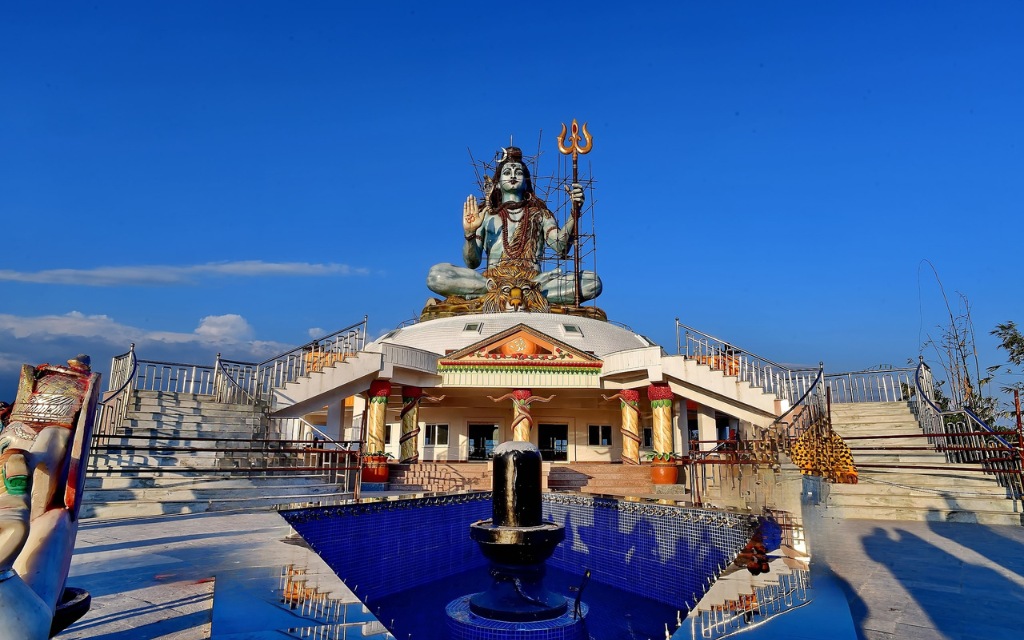
Pumdikot Shiva Statue: Visit this Lord Shiva statue, which is as high as any other statue in the area and located on a hill just next to the view of the Himalayan mountain range, for temple charm and gorgeous views.
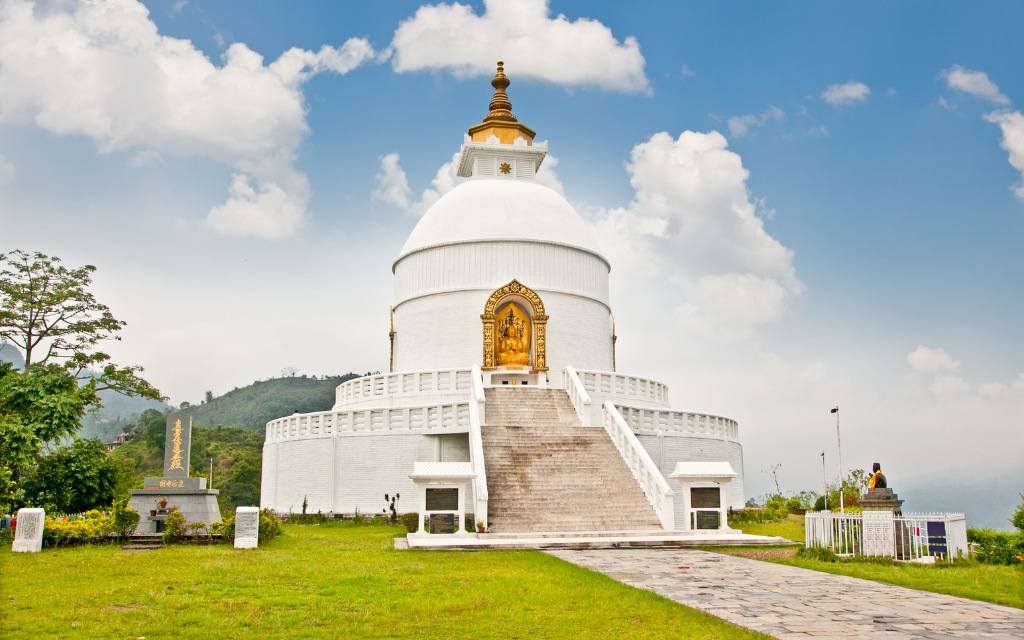
World Peace Pagoda: Visit the Buddhist temple for the soul and harmony, representing peace, with a view of the Pokhara valley, Phewa Lake, and the Himalayan range of mountains.
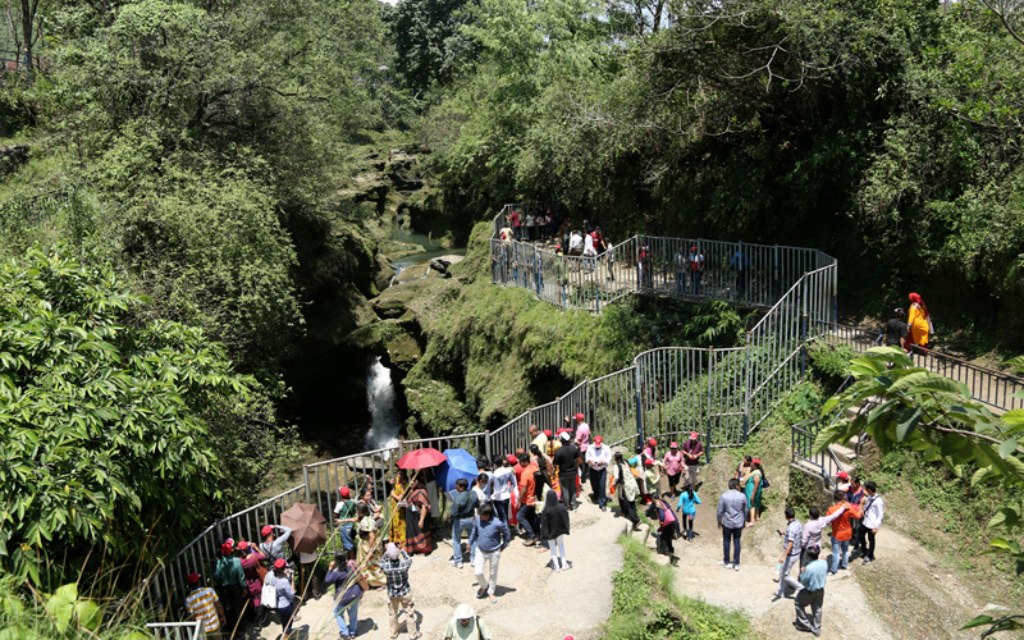
Devi's Fall: Sightsee the waterfall, which is shrouded by tropical vegetation, and learn about its history.
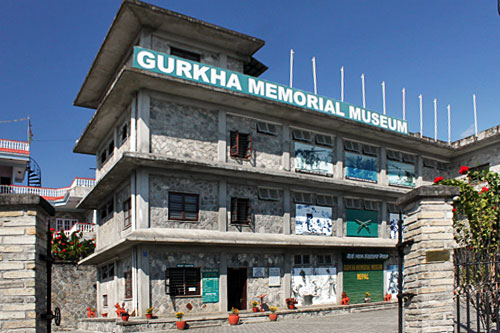
Gurkha Memorial Museum: Learn about the courage and the history of the famous Gurkha fighters through collections of displays, narratives, and relics.
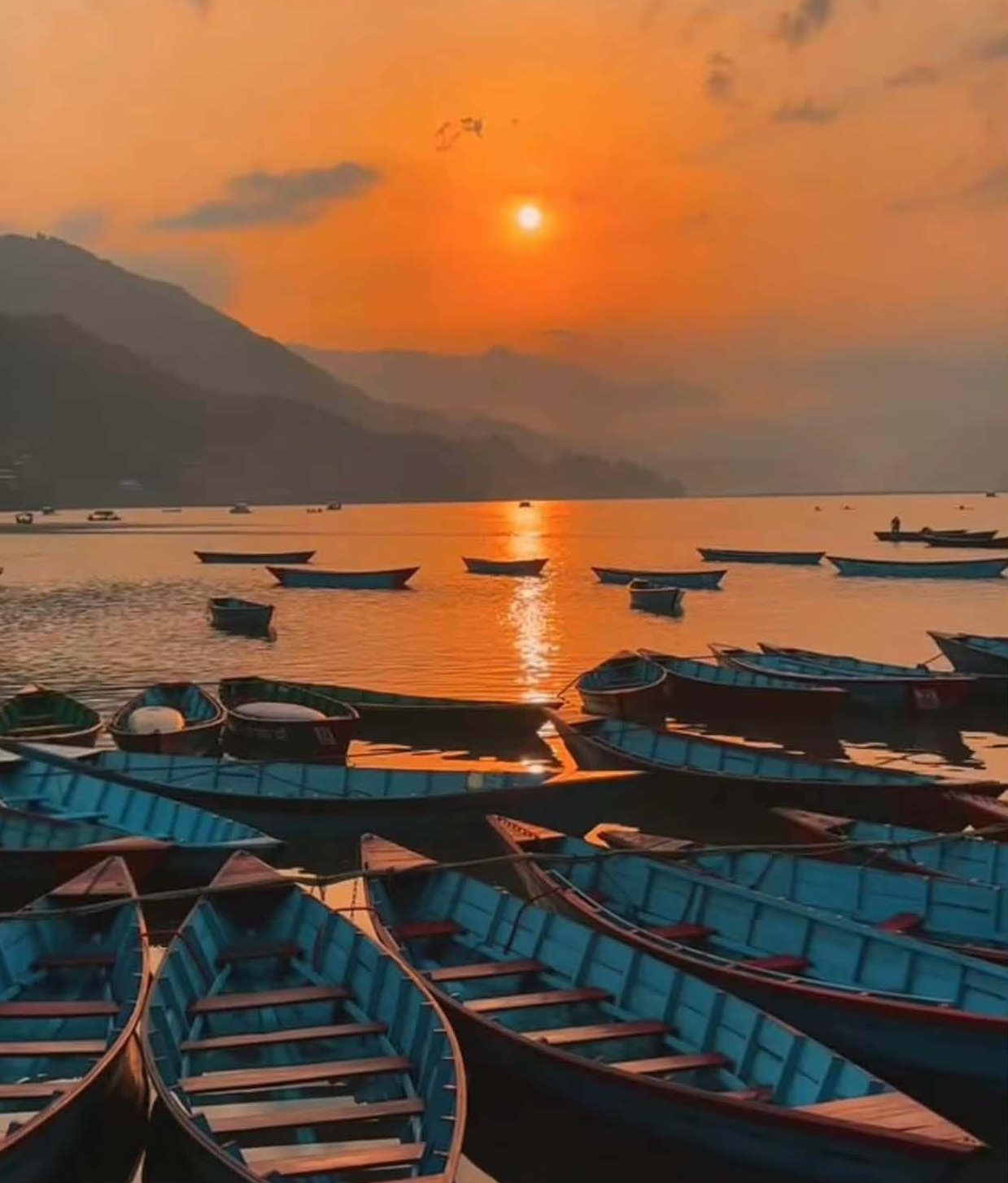
Phewa Lake and Tal Barahi Temple: Take a hadar boat for a nice cruise across Phewa Lake. The ship provides a panoramic view of the main temple, a two-storied pagoda on an island on the quiet surface of the lake.
Lakeside Evening: Visit the lakeside to have local food and make dinner while watching Pokhara's beautiful city lights and the outline of the mountains.
Description Of Pokhara City Tour 1 Day
Pokhara City Tour is one of the most adventurous one-day tours, presenting the best of natural sightseeing interfaced with cultural and religious experiences. The day starts early in the morning in Sarangkot, which offers breathtaking sunrise views, Annapurna and Machapuchare. The sight of the colourful lights in the morning, while other parts of the mountains are white, makes the moment priceless. Then, you will go to Bindabasini Temple, one of the oldest Hindu temples in Pokhara, the Temple of Goddess Durga. The second attraction on your sightseeing tour is the Pumdikot Shiva Statue, the enormous statue of Lord Shiva in the area. The statue is on top of a hill, perfectly capturing both the geographical features of the mountains and valleys in the region and the religious significance of the statue. After you drive and walk, you will come across the World Peace Pagoda, a Buddhist structure. From here, you will get an extraordinary view of Pokhara Valley, Phewa Lake and Himal on the backdrop, and the ambience is so calm and pleasant that you can meditate.
You will visit Devi's Falls, popularly known as Patalo Chhango, a beautiful waterfall with a green backdrop. It is most attractive during the pre- or post-monsoon season when water flows entirely through the falls. The second place that can be observed on the tour is the Gurkha, a Nepalese soldier memorial museum. Through the museum, you can see many details about these legendary warriors and the significant parts they played.
The last segment of the tour is a serene boat ride across Phewa Lake, after which you can reach the temple of Tal Barahi, a two-storied pagoda built for the goddess Barahi on an island in Phewa. You will have a cultural dinner in the restaurant near the lake and enjoy the night view of the city of Pokhara and the mountains. If you have some free time, go for a relaxed walk through the beautiful lakeside, where you can see the city's nightlife and retire to your hotel.
How does the Pokhara City Tour start and end?
Pokhara City Tour, the one-day trip starts with the early morning trek to Sarangkot, famous for the sunrise. The two-hour trek takes you up the hill to get the panoramic view of the Annapurna and Machapuchare ranges, which are extremely beautiful, with sunrises washing their mountains in different colours. The greenery by the side of the trail gives you a good alpine feel when setting off in the morning. During the descent, you will get to the Bindabasini Temple, perhaps one of the oldest Hindu temples in town, dedicated to the goddess Durga.
After breakfast, your day goes on to Pumdikot Shiva Statue, the great statue of Lord Shiva standing tall on a hill dominating the Himalayas. It is a place of religious significance and provides the best view of the surrounding mountains. In just a few minutes, you get to the World Peace Pagoda, a Buddhist temple for love and tolerance. At the top, you will be rewarded with an extended view of Pokhara Valley and Phewa Lake, along with the serene peaks that can help one to contemplate.
Lunch is a pleasant surprise with delicious traditional meals that match the picturesque views of Pokhara. The afternoon brings you to Devi's Fall, a beautiful waterfall amidst the greenery, where you will hear more about some stories and differences during the seasons. After this, you will visit the Gurkha Memorial Museum, which is dedicated to Nepal's bravest soldiers and their traditions, achievements, and stories.
The day concludes with a peaceful boating experience on Phewa Lake, where you can visit the Tal Barahi Temple, a two-story pagoda dedicated to the goddess Barahi, located on an island in the middle of the lake. You'll have quite an excellent opportunity to have dinner in a restaurant with a view of the sparkling city at night and the mountains. For those who wish, the nightlife of Pokhara can be viewed simply by leisurely walking along the lake.
What is the best season for the Pokhara City Tour?
The best seasons for the Pokhara City Tour are Spring (March to May) and Autumn (September to November). It is the ideal season for sightseeing and outdoor activities as the weather is generally clear and pleasant.
Flowers bloom in Spring, and the famous red Rhododendrons and other flowers add beauty to the terrain. Due to the relatively warm climate and moderate daylight hours, it is ideal for sightseeing visits, boat trips in Phewa Lake, and hiking to viewpoints at Sarangkot.
Autumn is also one of the best seasons, offering the perfect opportunity to capture the natural beauty of the mountain peaks of Annapurna and Machapuchare, which have influenced this region notably. The beautiful is visible throughout autumn since the skies are usually clear. First, the climate here is comparatively moderate, especially considering that the monsoons have already come and gone; second, the landscape is much greener during this time than at the height of summer.
Spring (March to May)
Spring is the best time to take the Pokhara City Tour because of the favourable weather, with relatively mild to moderately warm temperatures during the day. The weather is warm, with hardly any clouds and the crest of numerous towering hills, which include the Annapurna and Machapuchare ranges visible to the naked eye. The season is also characterized by some flowers, such as rhododendrons, which make nature vibrant in colour. The duration of the day extends longer to offer the best opportunity to go to sea for boating in Phewa Lake or to follow the trails of the World Peace Pagoda.
Autumn (September to November)
The rainy season gives way to clear days in Autumn, making it another great time of the year to undertake the Pokhara City Tour. The climate is usually straightforward and warm, with clear, captivating views of the surrounding mountains unknown to any other region of the world. The weather is not very cold either; it is ideal to go out for tours. Further, the natural beauty developed from the recent rainfall also adds to the beauty of Pokhara. Besides that, the cultural calendar during the travel includes festivals like Dashain and Tihar, so it also takes the charm.
Why not Pokhara City Tour during the Monsoon and Winter season?
Monsoon (June to August)
It is unfavourable for a Pokhara city Tour during monsoon season, as it rains heavily and many downpours occur. The trails and roads may become slippery and muddy, hindering hiking and movement by car or other vehicles. Sometimes, rain clouds impede the visibility of the mountains, hence the scenic beauty that houses Pokhara. Besides, activities such as a boat ride across Phewa Lake or at the Falls of Devi can be slightly unappealing by rain or even dangerous depending on water levels.
Winter (December to February)
Winter is also not suitable for the trip since it is very cold. It also experiences significant temperature variations: the mornings and evenings are cool, which may not comfortably suit some guests for outdoor activities. The type of climate slows exploration since the evenings arrive earlier; simple activities such as going to Sarangkot for sunrise can be challenging due to the cold. While Pokhara Valley does not receive much snow, some regions around the valley could be disadvantageous for some tourist attractions.
What are the available accommodations during the Pokhara City Tour?
The available accommodations during the Pokhara City Tour provide three-star accommodations, making the stay comfortable while the main attractions are nearby. Some of the hotels are:
Moonlight Hotel
Mum's Garden resort
Splendid View
Bodhi Suite
These hotels have an excellent reputation in the area for their hospitality and services.
Bath and shower facilities are separate. Every room contains a large TV set and a large closet where personal belongings can be conveniently placed. Also, it has free Wi-Fi and breakfast facilities to make the guest's experience as comfortable as possible. Most of the rooms of these hotels equally provide balconies or terraces with spectacular views of the Phewa Lake and mountains or the lively Lakeside.
For those willing to spend solo space, it is possible to get an increase to the four or five-star hotels. They have private pools, spas, dining areas, quality restaurants, and incredible scenic views. Irrespective of the fact, whether you are travelling alone or with a group, you can standardize the method of your stay to your anticipation and thereby make your Pokhara City Tour full of complete delight.
What are the Food/Beverage options during the Pokhara City Tour?
You can savour traditional Nepali cuisines on the one-day Pokhara City Tour. Dal Bhat, a traditional choice that offers a flavour of Nepali home-cooked food, is a lentil soup served with rice, veggies, and pickles. Momos, steamed dumplings stuffed with chicken, buffalo, or veggies, are a popular snack option for locals and visitors. Try Sel Roti, a classic rice doughnut frequently offered in the morning, for a sweet treat. You can have a cup of Nepali Tea, a milky, sweet tea with a deep, aromatic flavour from spices like cardamom or ginger, to go with your lunch.
Pokhara provides a diverse selection of international food, especially in the Lakeside region, in addition to traditional Nepali fare. If you want something light, many cafes offer continental breakfast options, including sandwiches, pancakes, and eggs. Fresh fruit juices from regional fruits, such as oranges, passion fruit, and mango, are popular and delightful drinks. Everest, Nepal Ice, and Gorkha are Nepali beers that are ideal for unwinding after sightseeing for those seeking a local beer experience.
What are the Toilet/ Bathroom facilities during the Pokhara City Tour?
While on a Pokhara City Tour, toilets and bathrooms are readily available, ensuring convenience for travellers like you. Public toilets can be found in key tourist areas such as Lakeside and Phewa Lake, as well as significant attractions like Davis Falls and the World Peace Pagoda. But since these are frequently simple facilities that charge a small fee, bringing necessities like tissue paper and hand sanitiser is a good idea. Particularly in the Lakeside area, many cafes, restaurants, and hotels provide cleaner, better-maintained restrooms for a more comfortable stay. Significant attractions also have restrooms, but the facilities and cleanliness differ significantly from one place to another. We, Yeti Hikes, advise you to schedule your toilet breaks appropriately and use the better amenities offered by restaurants and lodging facilities while exploring the city.
Itinerary Of Pokhara City Tour 1 Day
Beginning early, you will trek to Sarangkot, which will take approximately 2 hrs, then watch an early sunrise over the Annapurna and Machapuchare ranges. Watching the blend of light colours of the morning break amidst the giant mountains, you'll find it rather exciting. So, after feeling the peace of the dense jungle, you will ascend and stop at Bindabasini Temple of the Hindu deity Durga, constructed hundreds of years ago, and you can see the religious aspect of its purpose. You will then be driven back to your hotel for a well-deserved breakfast to kick-start the rest of the day.
One day, sightseeing around Pokhara starts after breakfast with the Pumdikot Shiva Statue, the tallest statue of Lord Shiva located on the hill. From here, you can get a marvellous view of the Himalayas as a backdrop; that's why it is both a pilgrim centre and sightseeing. After a drive of about thirty minutes and a thirty-minute walk, you will face the World Peace Pagoda, a Buddhist shrine dedicated to world peace. Once you reach the summit, you are granted an incredible top view of Pokhara Valley, the glimmering Phewa Lake, and the surrounding high mountain ranges, with a wonderfully peaceful atmosphere prevailing for reflecting.
Breakfast will be tasty, accompanied by the accents of local cuisine, and an adventurous view of Pokhara will be your reward for lunch. Then, it will be a visit to Devi's Fall, also known as Patalo Chhango, a beautiful waterfall nestled amidst green hills. The ideal time to fully appreciate the beauty of this waterfall is during the pre-monsoon or post-monsoons because the water is collected from a much larger area than during the rains.
On arrival back in the city on a day tour, you will visit the Gurkha Memorial Museum, a special honour to the gallant Nepalese Gurkha fighters. The museum houses stories, great and small, relics, and more, showcasing these brave warriors' invaluable legacy. For a more relaxed activity, you can also take a boat ride on Phewa Lake and visit the Tal Barahi Temple, a two-story building and temple of the goddess Barahi in the middle of the lake.
To summarise, the day's time, having a meal, going to a lakeside restaurant, and viewing Pokhara's twinkling night light and the mountain's silhouette. For those who can still dance the night away, appreciated, Pokhara's nightlife could be best done with a walk by the lake.
If you want to continue your tour, you have two options: Lumbini, the birthplace of Lord Buddha, or Bird watching in Chitwan. Alternatively, you can add an adventurous Trishuli River Rafting to your onward journey to Kathmandu based on your chosen option and time.
What's Included In Pokhara City Tour 1 Day
Included
Private transportation with an experienced driver.
Licensed English-speaking guide.
Entrance fees to all sites.
Lunch at a local restaurant.
Hotel pick-up and drop-off.
Excluded
Personal expenses such as shopping and extra snacks.
Tips for guide and driver.
Any additional activities not mentioned in the itinerary.
Additional Information Of Pokhara City Tour 1 Day
Required Documents and Entry Fees for the Pokhara City Tour
Organizing a one-day Pokhara City Tour requires proper documents, and knowing about entry is essential. Entry Fees are charged at famous areas such as Davis Falls, Gupteshwor Cave, and Sarangkot Viewpoint, and these charges can be obtained from the entrance. Indeed, with these essential documents and fees, you can roam and explore Pokhara city's tourism without hiccups.
Here's a breakdown of the documents you'll need:
Passport and Visa: You'll need a valid passport and a Nepal tourist visa. The visa can be obtained on arrival at Tribhuvan International Airport in Kathmandu.
Medical Certificate: It is required as some may request a medical certificate to confirm the absence of chronic diseases and the ability to undertake strenuous activities.
Entry Fees of 1 Days Pokhara City Tour
Attraction | Entry Fee (per person) | Remarks |
Sarangkot Sunrise | US$ 0.38 | - |
Bindabasini Temple | Free | - |
Pumdikot Shiva Statue | Free | - |
World Peace Pagoda | Free | - |
Devi's Fall | US$ 0.60 | - |
Gurkha Memorial Museum | US$ 1.50 | - |
Phewa Lake (1-hour boating) | US$ 4.90 per boat (up to 4 passengers) | Cost split for a group of 4 = US$ 1.23 per person |
Tal Barahi Temple | Included in the boat fee | Accessible via Phewa Lake boating |
Total | US$ 7.38 per person | Based on shared boating costs |
Note: Exchange rates may vary, so it's best to check the current rate or carry some Nepali Rupees for convenience.
Pokhara: From Sunrise to Lakeside
Sarangkot Sunrise
Sarangkot is widely known as one of Pokhara's most famous sunrise sites. From there, you can glimpse the Annapurna and Machapuchare Himal ranges. The mountain becomes golden as the sun rises on the horizon. Reduced noise and the extraordinary nature of the woodland steeped in tranquility make it even more enjoyable, especially in the morning. For photographers, it is a one-stop center.
Traditionally, Sarangkot is known for its viewpoint because it is 1600 meters above sea level. It has evolved into a popular tourist attraction exhibiting appealing natural and historical attractions.
Bindabasini Temple
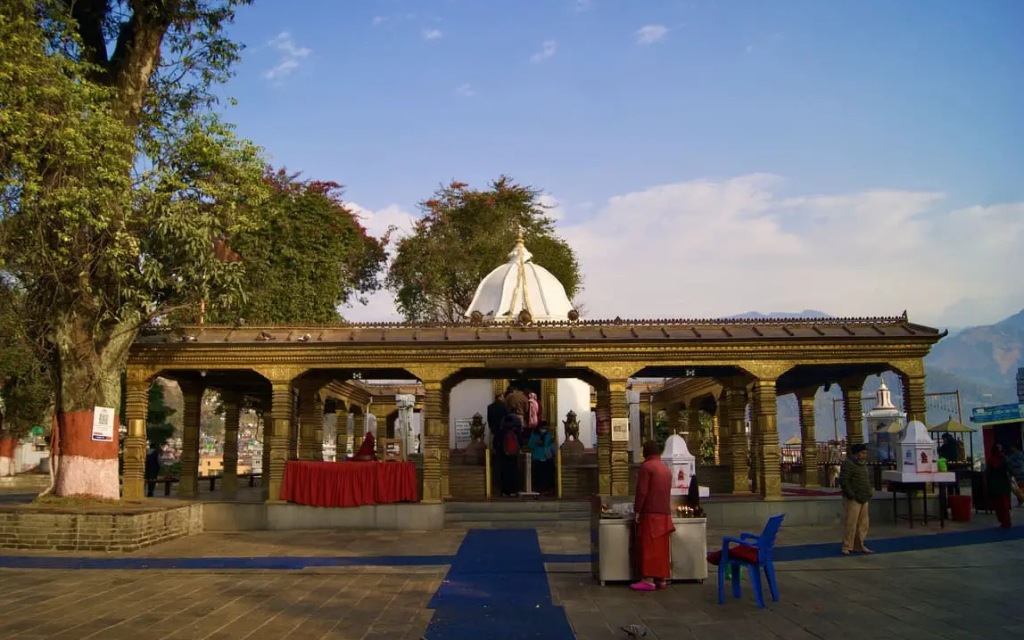
Bindabasini Temple, the oldest temple in Pokhara, is a temple of Goddess Durga. Located on a small hill, the temple offers a calm environment for worship and contemplation. Blessing has always been one of the attractions, both the architecture of the temple and the people and their offerings. The temple also has a fine view of the mountains in the area, making the trip even more attractive.
The temple was built in the first half of the 17th century when King Siddhi Narayan Shah had to bring the idol of Goddess Durga from India. Since then, it has been the key to the worship practices of the Hindu devotees in the region. From where the visitor stands, the temple complex is very active: it accommodates different festivals and ceremonies all year round.
Pumdikot Shiva Statue
Pumdikot Shiva Statue is a large statue of Lord Shiva at the height of the hills around Pokhara. The statue stands 51 feet tall, which is considerably tall for a statue in Nepal. The statue is built around a quiet backdrop, providing an excellent Himalayan mountain view. The location embraces religious importance and natural beauty for travelers.
The sculpture was built in 2021 BS to show believers' and the people's cultural appreciation. This site has become a favored worship center frequented by tourists searching for solace and scenic beauty. It also stands on a hill, raising the likelihood of good sunshine and sunset views.
World Peace Pagoda
The World Peace Pagoda, commonly called Shanti Stupa, is another attraction site intended to signify peace. This white Buddhist stupa has a dome shape to symbolize world peace and the unification of different nations. Visitors to the pagoda enjoy the natural silence of the place, which has excellent views of the Pokhara Valley, Phewa Lake, and the Annapurna Himal.
As a global peace structure, this structure was built by the Japanese Buddhist monks from the Nipponzan-Myohoji organization as soon as World War II. It, therefore, brings about the unity of man and reminds and has hence turned into one of the touristic sites for meditation.
Devi's Fall
Devi's Fall, locally known as "Patale Chhango," is a unique waterfall in Pokhara. The waterfall is famous for its underground flow, where the water vanishes into a deep, mysterious gorge. Surrounded by tropical vegetation, the site offers a tranquil escape and is a favorite for nature enthusiasts and photographers.
The name "Devi's Fall" is derived from a tragic event in the 1960s when a Swiss woman named Devi drowned in the waterfall. Since then, the site has been named in her memory, reminding her of nature's raw power and beauty.
Gurkha Memorial Museum
Gurkha Memorial Museum is located in Pokhara. It is dedicated to the velour and supreme sacrifices of the Gurkha soldiers, who are recognized worldwide. The museum's axis includes hundreds of weapons and uniforms, medals, and photographs that show the Gurkhas' history and victories. You will be able to learn more about these historical gladiators and their place in the world's armed forces history.
The museum was established after the end of the war and the treaty to honor the Gurkhas. It describes their role in many wars and other peace support operations globally, so history lovers and those who appreciate military history should not miss this place.
Phewa Lake and Tal Barahi Temple
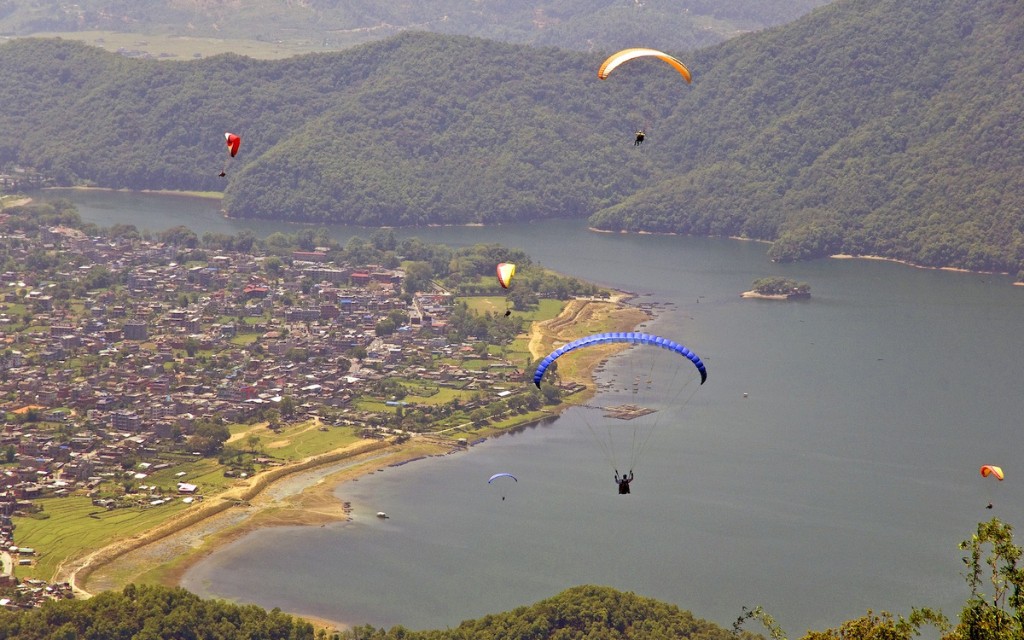
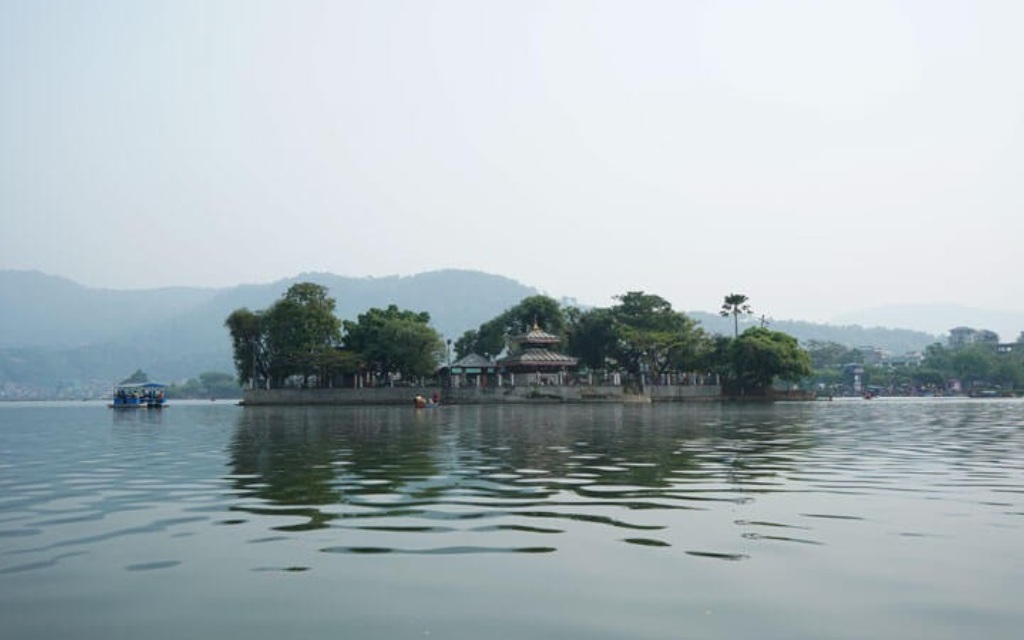
Phewa Lake is calm and clear in the center of Pokhara City. It mirrors some of the area's mountains, making it even more beautiful. One of the biggest attractions of the lake is the Tal Barahi Temple, a two-story temple located on an island. The main shrines of the temple are known as Barahi, and they can be reached only by boat.
The area's cultural and religious value includes the lake and the temple. The area offers religious and leisure activities that offer visitors a peaceful and prosperous cultural experience. The temple is on a lake, and you can go boating to get a better view of it and its surroundings.
Lakeside Evening
The Lakeside of the Pokhara is a bustling center of restaurants, cafes, shopping complexes and leisure places. Best known for hectic nightlife, the center offers various restaurants, bars, and stores with local and international affiliations. At night, the place is filled with lights, lamps, lanterns and live music in the air.
Lakeside has gradually become a modern center of tourist attraction. It is so close to Phewa Lake and the Himals of Annapurna Range that many tourists searching for adventures and leisure activities visit it. Lakeside evening is an ideal time to relax and watch the beauty of the place called Pokhara.