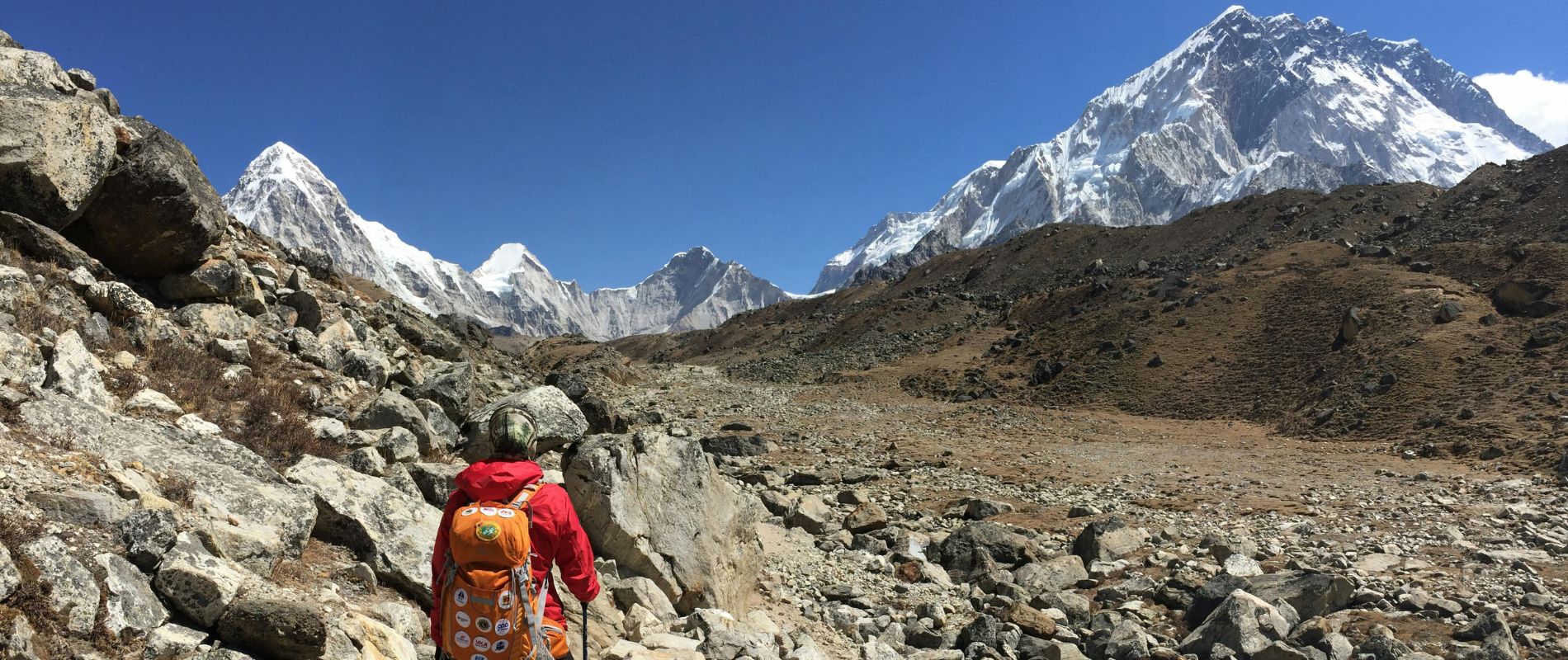
History of Everest and Everest Base Camp
Shreeyash Thapa
SHERPA DAI SUMMARY
Intelligent Himalayan Trail Analysis
"Journey into the heart of Mount Everest and its historic Base Camp, where ancient Sherpa spirituality meets the ultimate legacy of Himalayan mountaineering."
Sacred Names and Mythology
Known as Sagarmatha in Nepal and Chomolungma in Tibet, Everest is revered as a living goddess and spiritual home rather than just a geographical peak.
The Sherpa Heritage
Local Sherpa guides have been vital to Himalayan mountaineering, blending deep cultural traditions, like the base camp puja ceremonies, with legendary climbing feats.
Evolution of Base Camp
Once a peaceful sanctuary of yak pastures and monasteries, Everest Base Camp transformed into a legendary staging ground for historic expeditions and global trekkers.
Table of Contents
Click any topic to jump directly to that section
Mount Everest is a place where earth and heaven meet, high above the clouds, where prayer flags dance against a silver sky and the wind hums old songs. To the locals, it is a living goddess and protector of the Himalayas, but to the rest of the world, it is the tallest mountain. Every stone has a story to tell and every breath feels sacred at Everest Base Camp, which is located directly beneath the icy crown. This is the history of a people, passed down through the ages, not just the history of a mountain.
History behind Mount Everest (Sagarmatha)
The mighty Mount Everest is known as the highest mountain in the world but it has long been more than just a geographical landmark. It is a mountain steeped in myth, spiritual significance and human fascination.
The native inhabitants of the Himalayas had a great regard for Everest long before surveyors and explorers showed up. It is known as "Sagarmatha" in Nepal, which means "Forehead of the Sky”. The mountain is called "Chomolungma" in Tibet, which translates to "Mother Goddess of the World."
Stories about Everest as a spiritual home of deities have been passed down through the generations by Sherpa elders. Local legend holds that the mountain is home to the goddess Miyo Lungsungma, who guards the people and the land. Many Sherpas think that upsetting the mountain's tranquility, particularly through conceit or greed, can result in bad luck. To obtain blessings for a safe journey, local guides and climbers still conduct puja ceremonies (religious rituals) at base camps prior to expeditions starting. They offer food, incense, and prayers.
Everest was viewed as a geographical and mountaineering objective by the first Western explorers to arrive in the early 20th century. In 1856, the "Great Trigonometrical Survey of India", led by the British, formally recognised the mountain as the highest peak in the world, as was designated as “Peak XV”. In honour of Sir George Everest, a former British Surveyor General, it was given the name "Everest" in 1865. Locals, however, still revered it as Sagarmatha and Chomolungma, names that carry centuries of spiritual and cultural significance, in spite of the foreign name.
As more climbers arrived in the area over time, local Sherpas developed into vital climbing partners. They were legendary guides because of their strength, versatility, and mountain knowledge. Nepal's proud legacy includes tales of heroism, particularly that of Tenzing Norgay Sherpa, who climbed to the summit with Sir Edmund Hillary in 1953.
History behind Everest Base Camp
The base of Everest was merely a holy area with old paths, monasteries, and yak pastures before it became a popular destination for hikers and climbers from all over the world. The locals recognised these high-altitude valleys as a spiritual entryway to Sagarmatha, the revered "Forehead of the Sky," rather than as a place to camp.
In order to plan expeditions and get ready for the ascent, early climbers and explorers arrived in the 1920s. This is how the Everest Base Camp came to be, initially serving as a useful staging area for climbers before developing into one of the world's most well-known trekking destinations. At 5,364 meters (17,598 feet) above sea level in Nepal, the southern base camp became the focal point of Everest expeditions. Sir Edmund Hillary and Tenzing Norgay Sherpa started their renowned 1953 ascent from this location, permanently connecting the location to the spirit of exploration.
Everest Base Camp is more than just a campsite to the local Sherpa community; it is a hub of vitality and respect. It is a living legacy that motivates future generations of Nepali and foreign explorers, not just a destination.
Every step is guided by both tradition and dreams at Everest Base Camp, where locals and climbers share the same sky, where international adventure meets ancient spirituality. It is a living legacy that motivates future generations of Nepali and foreign explorers, not just a destination.
Conclusion: Where Himalayas has their own story
Ultimately, the tale of Mount Everest and its Base Camp is not only about understanding the spirit that envelops the world, but also about reaching the summit. The Sherpa people worship Everest rather than conquer it. The flying prayer flags at Base Camp, the murmur of tales of Miyo Lungsungma, every single moment here on this mountain reminds of how nature, faith, and human aspiration are in harmony. Not only is Mount Everest the highest mountain in the world, but it is a classical icon of bravery, respect, and solidarity.
Shreeyash Thapa
Himalayan Trekking Specialist
Sharing reliable trekking insights, seasonal guides, and authentic cultural stories from across Nepal's majestic trails.
READ ALL ARTICLES →Featured Treks

Need Custom Trekking Advice?
Unsure which season or trail fits your fitness level? Let our Himalayan experts customize an itinerary tailored specifically for you.