


Overview of Everest base camp trek-14 days
Highlights
- Flying to Lukla from Kathmandu offers the most magnificent bird' s-eye view of the Himalayan range.
- Namche has a Friday market day; exploring it is one activity we recommend to anyone wishing to travel in this region. Visitors can visit various shops and cafes, accompanied by scenic peaks.
- Tengboche is home to the legendary monastery of the same name, one of the largest religious shrines in the region. The monastery provides spectacular views of Mount Everest and Mt. Ama Dablam.
- Hike to Dingboche and, take pleasure in the change of environment to a metaphorical desert, glance at beautiful Mount Lhotse and Makalu.
- Cross through the village of Lobuche, follow the Khumbu Glacier, and follow through Stone Memorials.
- Reach Everest Base Camp, a place from where climbers embark and where the magical aura of this place lies.
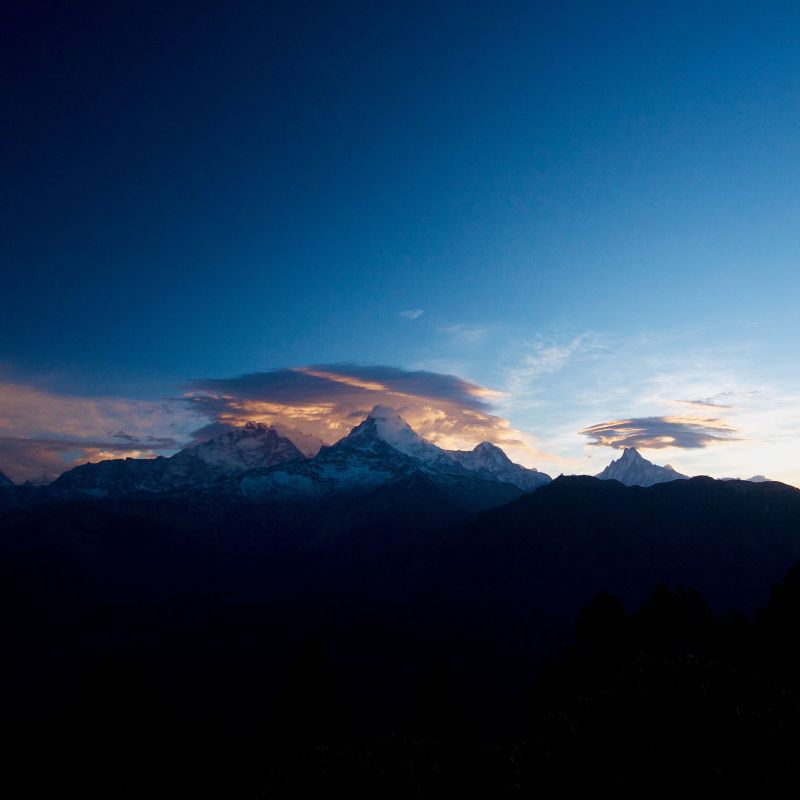
- It's advisable to hike early in the morning for the best view of Mount Everest, especially the unique sunrise on Kala Patthar.
- Interact with the Sherpa people and their cultural system, and adapt to the harshest climate in the region.
- See different sceneries, ranging from forests to rocks that can visually examine the Himalayas.
- Hike past the magnificent Khumbu Glacier, a significant feature on the route.
Trek Description
The Everest Base Camp (EBC), situated at the Sagarmatha National Park of Nepal, has become one of the most attractive tourist destinations due to its geographic beauty and climbing attractions that preserve cultural value. Mount Everest dominates the highest mountain range, which tops the world’s highest peak with an altitude of (8,848 meters/ 29,032 feet). Other mountains include Mt. Lhotse (8,516 meters/ 27,940 ft), Mt. Nuptse (7,861 meters/ 25,790 ft), and Mt. Makalu (8,485 meters/ 27,838 feet). This area has outstanding physical features such as high-raised mountains, glaciers, and deep gorges that attract mountain hiking lovers and those who desire adventure. The most favorable season for visiting the Everest region is spring and autumn. The weather is comparatively more predictable throughout the seasons, which grants fabulous opportunities to view the giant Himalayan mountains.
Any visitor desirous of visiting the national park must obtain a Sagarmatha National Park Entry Permit, and permission from Khumbu Pasang Lhamu Rural Municipality is mandatory to enter the Khumbu area. Such permits are essential in conservation and ensure that journeying operations benefit societies. The area is also blessed with a great variety of flora and fauna: rhododendron forests, rare orchids, Himalayan tahr, red pandas, and snow leopards are residents of this area. This has allowed hikers to embrace the beautiful composition of this majestic biological community characteristic of high-altitude tracts.
One of the famous landmarks within this area is the Everest Base Camp, where many expeditions to climb the highest mountain in the world are initiated. Other attractions include the beautiful vantage point of Kala Patthar, where explorers have spectacular views of Mount Everest and neighboring mountains. Tourists also get a feel for the religious setting of Buddhist monasteries, such as the Tengboche Monastery in Tengboche, which is set to represent the actual colors of the Sherpas people. In addition, many villages, such as Namche Bazaar, allow for interaction with locals and their respective recommendations. The region in and around Mount Everest is not just a walking holiday; it means exploring the soul of the great Himalayan range with a touch of harmony of culture and scenic beauty.
The Everest base camp trek typically takes 14 days to complete, but it can be completed in 9-18 days, depending upon your available time in Nepal and your physical fitness. If you have more time or are feeling more adventurous, you can climb Gokyo Valley for breath-taking vistas of mountains and blue glacier lakes.
The EBC Trek is likely to be packed with hikers, especially during the hiking seasons, in contrast to less popular treks like Manaslu Circuit or Annapurna Circuit.
Is Everest base camp trek worth it?
✓ What Makes It Worthwhile
- Iconic Views: Unparalleled vistas of Mount Everest, Lhotse, Nuptse, Ama Dablam, and other Himalayan giants.
- Cultural Immersion: Opportunity to experience Sherpa culture, visit ancient monasteries like Tengboche, and interact with local communities.
- Historical Significance: Trekking through the footsteps of legendary mountaineers, visiting Everest Base Camp itself, and the Everest Memorial.
- Sense of Achievement: Completing a world-renowned trek to the base of the world’s highest peak is a significant personal accomplishment.
- Well-Established Infrastructure: Relatively well-developed trail with numerous teahouses offering accommodation and meals.
- Networking Opportunities: Chance to meet trekkers from all over the world, sharing experiences and forging new connections.
- Varied Landscapes: Journey through diverse terrain, from lush forests at lower altitudes to barren, high-alpine landscapes.
✗ Challenges to Consider
- High Altitude: Reaching elevations over 5,300m (EBC) and 5,500m (Kala Patthar) requires careful acclimatization and carries a significant risk of altitude sickness (AMS).
- Crowded Trails: As one of the most popular treks, trails can be very busy, especially during peak seasons, impacting the sense of wilderness.
- Basic Facilities (Higher Elevations): While numerous, teahouses at higher elevations offer very basic accommodations, shared toilets, and limited amenities.
- Cost: Generally more expensive than less popular treks due to higher demand for flights, accommodation, and permits.
- Weather Dependency: Flights to Lukla (starting point) are frequently delayed or cancelled due to unpredictable weather, leading to potential itinerary disruptions.
- Physical Demands: Requires a good level of physical fitness, stamina, and preparation for long days of trekking over varied terrain.
- Limited Food Options (Higher Elevations): Menu variety decreases significantly at higher altitudes, with similar staple meals available.
- Rubbish and Environmental Impact: Due to high traffic, some areas can show signs of environmental degradation and litter if not properly managed.
How does the Everest Base Camp trek 14 days start and end?
The Everest Base Camp journey starts and ends in Kathmandu. It starts from the bank of Dudh Koshi River coming across the Sagarmatha National Park to reach Namche Bazaar. Namche Bazaar is the center point of all the treks in the entire Everest region, and for that, it is a significant shopping center. It has earned an international reputation as the place where people climbing in the Everest region can rest and get used to conditions.
However, the beauty and attraction of mountains, hills, farms, and green forests to be viewed in the course of the walk will be a convincing reason for people to complete the walk. Begin the second day of your hike, You will leave Namche Bazaar and trek to Tengboche(3,867m/12,687ft). Once in the region, without any delay visit Tengboche Monastery, which is well-known to trekkers. Next from there will be on foot to Dingboche(4,410m/14,469ft) and from there eventually to Lobuche(4,940m/16,207ft). During your trekking tours, you will come across a number of beautiful associated peaks including Nuptse (7,861m/25,791ft), Makalu (8,485m/27,838ft), Lhotse (8,383m/27,503ft), Cho Oyu(8,188m/26,864ft) , Ngozumpa Glacier (5,000m/16,404ft), Baruntse (7,129m/23,389ft), Ama Dablam (6,812m/22,349ft), Kangtega (6,782m/22,251ft), Gauri Shankar (7,134m/23,406ft) , etc.
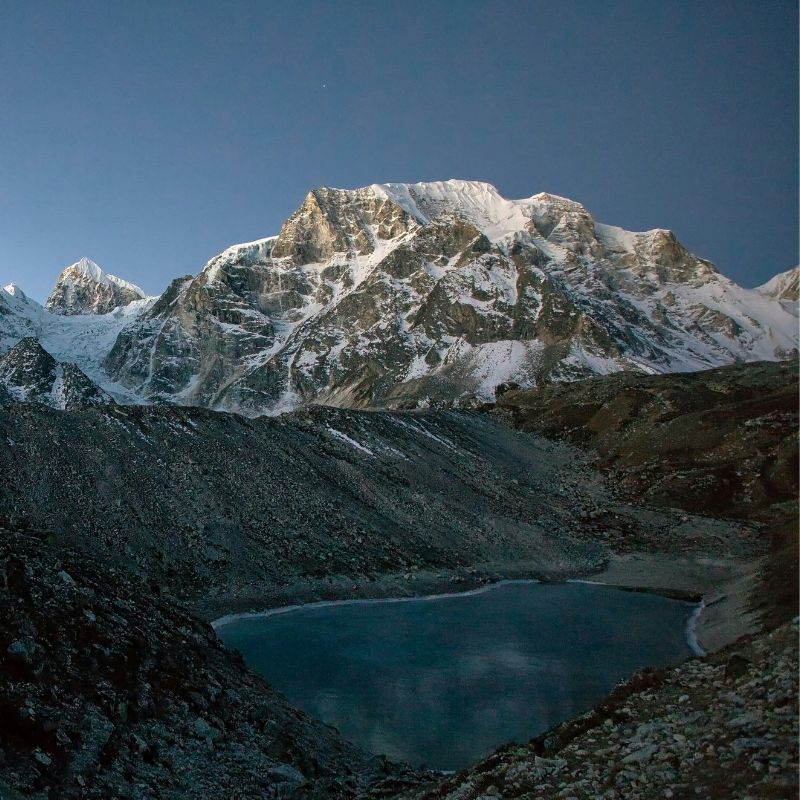
Onwards you go to Gorak Shep (5,164m/16,942ft) and then follow the line of Khumbu Glacier until you reach Mount Everest base camp. The base camp for the Everest trek provides great views of the Khumbu Glacier i.e, the largest Glacier in the world. Then you will go back to Gorak Shep for an overnight stay. The following day, you will hike to Kala Patthar (5,644m/18,519ft) to view the sunrise over different mountains of Kala Patthar including Mount Everest. After some relaxing time, having a beautiful view you go back to Gorak Shep and then move down towards Pheriche village.
You’ll retrace part of the journey back to Tengboche through rhododendron-dominated forests and proceed to Namche Bazaar. The EBC trekking in Nepal ends up with the flight from Lukla to Kathmandu.
Everest Base Camp Trek (EBC) Distance and Altitude Coverage
Best time to go for Everest base camp trekking?
The best time for Everest Base Camp Trek doesn’t matter if you are interested and willing to take risks, but it depends on your preferences. However, according to Yeti Hikes, the best season for this trek is either Spring or Autumn, when the weather and temperature are worth traveling around Nepal.
| Season | Months | Temperature | Weather Conditions | Advantages | Challenges |
|---|---|---|---|---|---|
| Spring | March to May | -5°C to 15°C | Clear mornings, some afternoon clouds | Rhododendron blooms in lower sections, stable weather, excellent visibility | Gradual increase in trekkers, colder mornings at higher altitudes |
| Autumn | September to November | -8°C to 12°C | Clear skies, dry and stable | Best mountain views, ideal trekking weather, less chance of flight delays | High number of trekkers, early booking needed for lodges |
| Winter | December to February | -15°C to 5°C | Cold, crisp days, snow possible | Fewer tourists, serene landscapes, clear skies | Harsh cold at night, icy trails, some lodges may close at higher altitudes |
| Monsoon | June to August | 0°C to 18°C | Frequent rain below 3,000m, cloud cover, fog | Lush lower valleys, less crowded, unique summer greenery | Flight cancellations to/from Lukla, leeches in lower areas, poor visibility |
Recommended Season for Everest Base Camp Trek
Spring (March-May)
The rates of average day temperatures are 10°C to 15°C (50°F to 59°F) at low levels of altitude, while the temperature at night can drop to 5°C to 15°C (41°F to 59°F). With that, you’ll get to experience explosive growth of flora, rhododendrons, and other wildflowers, especially in the lower altitudes. You’ll get to explore enhanced wildlife activity with the opportunity to spot the Himalayan Tahr and Musk Deer and various bird species. You’ll get to witness a significant Buddhist festival, Buddha Jayanti, that brings life and color to the monasteries in the Everest Region with local festival celebrations (Dashain, Tihar) along with farming practices and seasonal livelihoods. The trails are primarily available this season, and light precipitation may sometimes happen. Villages look cleaner, and you will have clear views of Mount Everest, Lhotse, Ama Dablam, and many other great peaks
Autumn (September-November)
Autumn has fewer showers than monsoon, making the trails less slippery when they dry up after several hours of dew. Day temperatures in autumn are between 10 °C to 20 °C (50°F to 68°F) in lowlands, and night temperatures are approximately 0 °C to 10 °C (32°F to 50°F). Wildlife appears active, with favorable sights, winter Himalayan Tahr and different bird types can be seen. The sky is apparent, allowing one to clearly see some of the most enormous mountains, such as Mount Everest, Lhotse, and Ama Dablam. In a cultural sense, autumn is exceptional in the region, particularly the festivals of Dashain and Tihar, which are the colors of the festival with great joy. Such fairs give life and paint monasteries and villages full of local colors. The trails are relatively more accessible to negotiate and, for the most part, passable even during this season, which is why it is the best time for trekking and discovering the beauty of the region. There can be light rain, but it is not very frequent and does not interfere with outdoor activities.
The Everest Base Camp adventure is usually accomplished in two seasons which are spring and autumn; it is because the temperatures are consistent and clear skies give a good view of the mountains. During the monsoon season, there will be frequent rainfalls, which will make the trails slippery and increase the danger of landslides and poor visibility. On the contrary, the winter season is characterized by extremely low temperatures, frequent snowfalls, and lousy weather, complicating the possibility of trekking and even creating dangerous conditions. Both seasons make mountain conditions unsuitable for trekking, so spring and autumn are the best times for a safer and more pleasant trip.

How challenging is the Everest Base Camp (EBC) Trekking?
The Everest Base Camp trek is really quite fun yet again highly unpredictable, and safety reigns supreme in the trekking zone. Firstly, the team of Yeti Hikes suggests that the best time for starting the trek is in the early birds, that is, from March to the end of May whereas the second best season is for the postmonsoon, which is from September to the middle of November. Precisely, one of the simpler ways of practicing for inclement weather is to always glance at the weather calendar to note the alterations. One cannot predict when the heavy shower is going to occur and as such it is wise to ensure that one carries the right and essential items such as good cloth, preferably warm and waterproof.
Second, altitude sickness (AMS) is also of high risk factors to consider. To minimize this risk, it is important to pay attention to the body and learn some warning symptoms such as headache and dizziness.
Physical and mental stamina is needed for this EBC trek. You can begin with an increase in physical stability with exercises through other sports. You only need to be relaxed and to focus mainly on fun and your state of health. Stretching, breathing, and meditating is important to physical strength because you need to be self-assured, focused, and enthusiastic.
The trekking routes here are fewer and not easily transportable on the maps. Failure to which, it is mandatory, that you have a first aid kit with you at all times. Sprains of the joints are common and can be sourced from first aid kits, but there are many inevitable injuries and vital conditions. Therefore travel insurance is mandatory due to unexplored terrains and minimum medical infrastructures available there.
with Proper Preparation
Why trek with Yeti Hikes?
We at Yeti Hikes attach experienced guides and porters to ensure your trek is safer and has more support than expected. On the field, they can help you lead you to the place or control any situation that may occur on the trail. It is nearly impossible to get a signal here, so you should carry a satellite phone or GPS along with you to call for help in the event of an emergency. With these measures implemented in place the Everest Bace Camp trek shall be as fun filled as is desirable and as safe as is feasible.
Ready to Experience the Magic of Everest Base Camp?
Secure your spot on this incredible 14-day adventure through some of Nepal’s most breathtaking landscapes. Our experienced guides and well-planned itinerary ensure a safe and memorable journey.
Can a beginner trek Everest Base Camp?
In that you are expected to walk up to 5 to 8 hours per day on rocky terrains. Such a difficulty may result in harm to you as well as the guides and porters. There’s always time to take on this adventure though, right? You can just aim at developing their body and having the right attitude towards it in order to be ready to take up this wonderful task as soon as they wish.
Of course, it may look like the description does not reveal the true measure of the trip. The actual concept of hiking the Everest Base Camp is however different from this. It is something every person should look forward to attaining; at least once in their lifetime. In fact there is no maximum age requirement for the trek if one is fit and active.
Children aged 7 years and above wishing to embark on trekking activities should either be accompanied by family members or hire porters for the heavy items. This is the case in that young people might not be physically able to handle heavy loads in steep terrains and it would be unbecoming to have to carry your belongings as well as yours.
Senior Citizens may walk slowly because of their various ailments that they have to attend to every time they are walking; and maybe the requirements are necessary so that the senior citizen can finish his or her walk. Before taking up a journey, people with respiratory disorders or with predisposition to uric acid should be cautious. Before undertaking any expedition, people have to be in the right physiological and psychological state. The goal should therefore be to get to a level where you can walk or hike for about 5 to 6 hours straight.
Can I do Everest base camp trek alone?
Yeti Hikes advises travelers to consider hiring a guide or porter. In unforeseen circumstances, they can provide essential support.
Everest Base Camp Trek Package Accommodation
EBC trek shelters from typical and minimalistic tea houses and lodges to standard and better class guest houses respectively in accordance with the altitude, location and price criterion.
The Accommodation of Kathmandu
Overall, you will spend 2 nights in one of our selected hotels where we provide 3-star equivalent accommodations in the heart of Thamel, the travelers’ zone. Hotels include:
- Thamel Park Hotel
- Lo Mustang Hotel
- Ramada Encore Hotel
- Moonlight Hotel
Your inn comprises a shared room, two-person room, welcome and farewell dinner. There exists at least one private bath enclosed in every room with a large TV and adequate wardrobe space for luggage. In case a client wants single accommodation or a group/single package, they can choose a 4 or 5 star hotel at an extra price.
The Accommodation during the everest base camp trek
Many teahouses and lodges are available to trekkers throughout the trekking route. They provide the bare necessities, such as a dormitory or private accommodation couched with shared bath facilities. Even though facilities differ, bedding, hot showers, and heat for the living room and dinner area are common, and trekkers can move around and socialize after a tiring day of adventure. The dining areas offer a number of local and worldwide meals; trekkers can taste Sherpa Cuisine in the area.
Since teahouses are located in various villages, including Namche Bazaar, Tengboche, Dingboche, and Lobuche, they help travelers rest and acclimate. In conclusion, teahouses allow one to get acquainted with the profiles and coziness of the districts one passes through and get a comfortable place to rest during the entire route.
Food options during Everest Base Camp trek
Throughout the EBC trekking you can purchase foods with different teahouses and lodges which are along the trail. The basic food of this trek is a simple lentil soup, rice, and vegetables cooked with curry which is also called ‘Dal Bhatt’. You will also be served with other fast foods and takes including noodles, momos, potatoes, fruits , hot beverages etc. And since the options could be a little scarce, it is also recommended that you should pack along with you some energy bars, nuts, chocolates and biscuits too.
You’ll find various food options at teahouses and lodges along the trek.
| Category | Food Items |
|---|---|
| Breakfast | Porridge/Oatmeal, Pancakes, Egg Dishes, Bread and Jam |
| Lunch | Noodles, Sandwiches, Rice Dishes, Mo: Mo, Tibetan Bread, Sel Roti, Fresh Fruits, Thukpa |
| Dinner | Dal Bhatt, Rice and Curry, Potato Items, Tingmo |
| Hot Beverages | Tea, Coffee, Hot Chocolate |
| Cold Beverages | Soft Drinks, Bottled Water, Fresh Fruit Juice |
Toilet/bathroom facilities during the EBC trekking
Available toilet facilities during Everest Base Camp Trek again depend on altitude as well as the kind of accommodation one is undertaking. In the lower villages such as Lukla and Namche Bazaar, trekkers to livestock lodges and teahouses can expect western-style toilets. Sometimes, the teahouses found at the higher altitudes are comparatively primitive, and you may have to face the locally styled squat toilets, which are also prevalent in Nepal. This makes them less favored, not often cleaned or may not be cleaned at all sometimes. One should also pack their personal effects, such as rolls of tissue paper and alcoholic hand sanitizers because they are mostly not disinfected or missing. Moreover, it may be required that trekkers pay an amount for lavatories available in few area of the region. Water may also be unavailable for purposes of flushing or washing hands. Therefore, people are encouraged to wash their hands at appropriate times with available water or use alcohol-based hand sanitizer.
Bathroom facilities, which often include showers and washing areas, also vary significantly along the trek. In lower areas, like Namche Bazaar, many teahouses offer hot showers, either through electric heaters or gas-powered systems, sometimes for an additional fee. These facilities may also include Western-style sinks and running water. As you climb higher, however, hot water availability becomes more limited, and some teahouses may only provide cold water or no running water at all. You can expect basic bathing facilities, and in higher altitudes, many may have to settle for sponge baths or wet wipes due to the lack of showers. In terms of the common wash can be substandard. In summary, you all need to be ready for differences in comfort for toilets and bathrooms all through the trek to EBC, as well as differences in cleanliness and water sources in remote areas.
Outline Itinerary for Everest Base Camp Trek
Tour Itinerary
Your journey will start from the very point of arrival at Tribhuvan International Airport (TIA) in Kathmandu, where our Yeti Hikes staff will welcome you. We will transfer you to the designated hotel nearby and heartily Welcome You. This voyage requires proper gear; our office representative will brief you about the necessary information and the mandatory equipment. With this, you'll have the remaining daytime to visit the local markets and stores within walking distance. Do swing back to enjoy your Dinner!
Highest Altitude
2,860 m (9,383 ft)
Trek Distance
7-8 km (4.3-5 miles)
Trek Duration
3-4 hours
The flight from Kathmandu to Lukla, which takes approx. 30 minutes mark your second day and is also the starting point. After landing at the Tenzing Hillary Airport in Lukla, Khumbu Pasanglhamu. Lukla is a tiny village with less than five hundred people, but it is destined for hikers. You will meet the other crew members, have some breakfast, and move towards your day's destination. Moving forward, you'll experience many ups and downs, pass by several giant yaks, stone stairs, and terraced hillsides, and cross Dudh Koshi River using a suspension bridge; you will reach this beautiful village, Phakding, in the next 5 hours.
With a short break and lunch, you will travel uphill through Monjo and Jorsale. You'll further ascend via the famous Hillary Bridge. The way goes on as you walk through a beautiful pine forest, following the Dudh Koshi River and Everest National Park's entrance. You will pass by the beautiful lush forests of rhododendrons and pines. Following the stunning sight of Thamserku Peak, Khumung Peak, Kongde Peak, and many more, you will have the first glance of Mount Everest, and heading towards the north, you will finally reach the Namche Bazar, 3,438 m (11,280 ft) high, within 4 to 5 hours. With the dinner of local Sherpa cuisine that will end the second day of the trek.
What's Included
Included
- All airport pick up drop by private vehicle - for both international and domestic flights.
- Welcome dinner in an authentic restaurant.
- Twin/double sharing accommodation in BB in Kathmandu.
- Guided sightseeing tours in Kathmandu with private vehicle.
- National Park entrance fee and Trekkers' Information Management System, TIMS card.
- A highly experienced, helpful, knowledgeable, friendly, English-speaking, well-trained, Government-licensed guide. The price includes his salary, food, drinks, accommodation, transport, and insurance.
- 02 guests to 01 porter with their insurance, salary, food, accommodation, and equipment.
- We provide an assistant guide, his salary, food, drinks, accommodation, transport, and insurance walking with a group to support where necessary as per the group size.
- Accommodation in the mountain during the trekking period.
- Three meals a day; breakfast, lunch and dinner and tea/coffee during the trekking.
- Safe drinking water.
- Flight from Kathmandu/Ramechhap to Lukla and return back.
- Welcome dinner in an authentic restaurant.
- First add kit box.
- Yeti Hikes's sleeping bag, down jackets, T-shirt, cap, duffle bags, city and trekking route maps – if necessary.
- Arrangement of emergency evacuation service (should have insurance for emergency evacuation and will be paid by your travel insurance company).
- Oxymeter to check your pulse and oxygen saturation and heart rate-twice daily during the trek-a very useful way to check AMS symptoms. This helps to make sure that your trek is in the safest hands possible.
- One-hour complimentary spa/massage in Kathmandu after the trek.
- All the applicable government and local taxes as per the itinerary.
Excluded
- The fees associated with your Nepal visa.
- All international air fares to and from Kathmandu.
- Lunch and supper in Kathmandu.
- Insurance for helicopter evacuation, as well as personal travel and health insurance.
- Extra nights of accommodation, lunch, and dinner in the city may be required in the event of an early arrival or late departure, as well as an early return from a mountain or trekking excursion for any reason, exceeding the specified itinerary timeframe. We are able to assist you in securing additional nights of lodging.
- Your personal expenses, including laundry, baggage charges, phone calls, battery recharges, bar and beverage bills, boiled or bottle water, hot and cold showers and an additional attendant, are as follows.
- The tips for the trekking personnel and drivers.
- Additional expenses that arise as a result of flight delays, strikes, weather conditions, or any other event beyond our control.
Trek Map
Visualize the entire journey, from the starting point to the breathtaking destination.

Additional Info
Essential details to help you prepare for the adventure of a lifetime.
Detailed Information about flying into Lukla
Detailed Information about flying into Lukla
Lukla Airport is also referred to as the gateway to 'Mount Everest', is established at an unbelievable challenging height- the Himalayas. Its runway is short and the end of the strip is located near a cliff; therefore, each landing takes the flavor of a thrilling experience. You'll feel this rush of excietment as you'll be greeted with the icy mountains and the though of the next days trek.
Direct flight from Kathmandu to Lukla
The Kathmandu to Lukla flights run normally during off-peak months. The number of passengers each month has an impact on this choice.
Lukla Airport is also known as ‘The Airport of the Mountains", or the gateway to Mount Everest. It is built at an almost unimaginably difficult altitude- The Himalayas. Its runway is very small while the rest of the strip sits just some distance away from a cliff; therefore, each landing feels like an adventure. This will make you feel this rush of excitement as you’ll be greeted with the image of icy mountains and the thought of the next day's trek.
Lukla flight from Ramecchap/ Manthali Airport
Due to an increase in air traffic, Lukla flights from Kathmandu to Ramechhap/Manthali will be moved during the busiest months of March, April, May, October, and November.
Fortunately, there is a different route one can use when they want to start their EBC trek from Ramechhap/Manthali. The drive usually takes between 5 and 6 hours from Kathmandu to airport, then you will take a 20 minutes flight to Lukla. The flights are sometimes rerouted to Ramechhap during the main trekking months of March-May and October-November as there are many planes at the Kathmandu airport besides you get to avoid the crowd.
No other flight is available apart from the direct flight from Kathmandu to Lukla. In the off season you can get on a flight directly from Kathmandu airport to Lukla airport where it will take almost 35 minutes to cover the distance.
To explain the concept of flights it is necessary to point out that they may differ from each other concerning the airline and some adverse factors such as bad weather, problems with the runway, etc. For this, Yeti Hikes suggests that you should consider having an extra day or more for your EBC Trek.
Baggage allowances in Lukla's flight
Taking the flight to Lukla requires the use of a smaller aircraft and either way the airline requires you to pack lightly for safety reasons.
Total Baggage Limit: 15 kg (33 lbs) per person
Checked Luggage: 10 kg (22 lbs)
Carry-On: 5 kg (11 lbs)
Availability of space may be achieved at the cost of additional expense. However, it is best to stop at a 15 kg weight limit depending on the use of the baggage.
Gear List
A comprehensive checklist of the clothing and equipment you need for a successful trek. We provide duffel bags, sleeping bags, and down jackets if needed.
Clothing
- Base Layers
- Thermal tops and bottoms (for warmth at night).
- Moisture-wicking t-shirts (2-3, quick-dry fabric).
- Lightweight trekking pants (convertible into shorts if possible).
- Insulating Layers
- Fleece jacket or sweater.
- Insulated down jacket (for colder nights and higher altitudes).
- Outer Layers
- Waterproof and windproof jacket.
- Waterproof pants.
- Hiking Socks
- Wool or synthetic socks (3-4 pairs).
- Liner socks (optional, to prevent blisters).
- Accessories
- Hat (for sun protection).
- Beanie or warm hat (for higher altitudes).
- Buff or scarf (to protect against wind and dust).
- Gloves (both lightweight and insulated if possible).
Watch Video
Everest base camp trek 14 days
Tour FAQs
General Information
Lukla Airport is also referred to as the gateway to 'Mount Everest', is established at an unbelievable challenging height- the Himalayas. Its runway is short and the end of the strip is located near a cliff; therefore, each landing takes the flavor of a thrilling experience. You'll feel this rush of excietment as you'll be greeted with the icy mountains and the though of the next days trek.
Direct flight from Kathmandu to Lukla
The Kathmandu to Lukla flights run normally during off-peak months. The number of passengers each month has an impact on this choice.
Lukla Airport is also known as ‘The Airport of the Mountains", or the gateway to Mount Everest. It is built at an almost unimaginably difficult altitude- The Himalayas. Its runway is very small while the rest of the strip sits just some distance away from a cliff; therefore, each landing feels like an adventure. This will make you feel this rush of excitement as you’ll be greeted with the image of icy mountains and the thought of the next day's trek.
Lukla flight from Ramecchap/ Manthali Airport
Due to an increase in air traffic, Lukla flights from Kathmandu to Ramechhap/Manthali will be moved during the busiest months of March, April, May, October, and November.
Fortunately, there is a different route one can use when they want to start their EBC trek from Ramechhap/Manthali. The drive usually takes between 5 and 6 hours from Kathmandu to airport, then you will take a 20 minutes flight to Lukla. The flights are sometimes rerouted to Ramechhap during the main trekking months of March-May and October-November as there are many planes at the Kathmandu airport besides you get to avoid the crowd.
No other flight is available apart from the direct flight from Kathmandu to Lukla. In the off season you can get on a flight directly from Kathmandu airport to Lukla airport where it will take almost 35 minutes to cover the distance.
To explain the concept of flights it is necessary to point out that they may differ from each other concerning the airline and some adverse factors such as bad weather, problems with the runway, etc. For this, Yeti Hikes suggests that you should consider having an extra day or more for your EBC Trek.
Baggage allowances in Lukla's flight
Taking the flight to Lukla requires the use of a smaller aircraft and either way the airline requires you to pack lightly for safety reasons.
Total Baggage Limit: 15 kg (33 lbs) per person
Checked Luggage: 10 kg (22 lbs)
Carry-On: 5 kg (11 lbs)
Availability of space may be achieved at the cost of additional expense. However, it is best to stop at a 15 kg weight limit depending on the use of the baggage.
Press Enter to search