

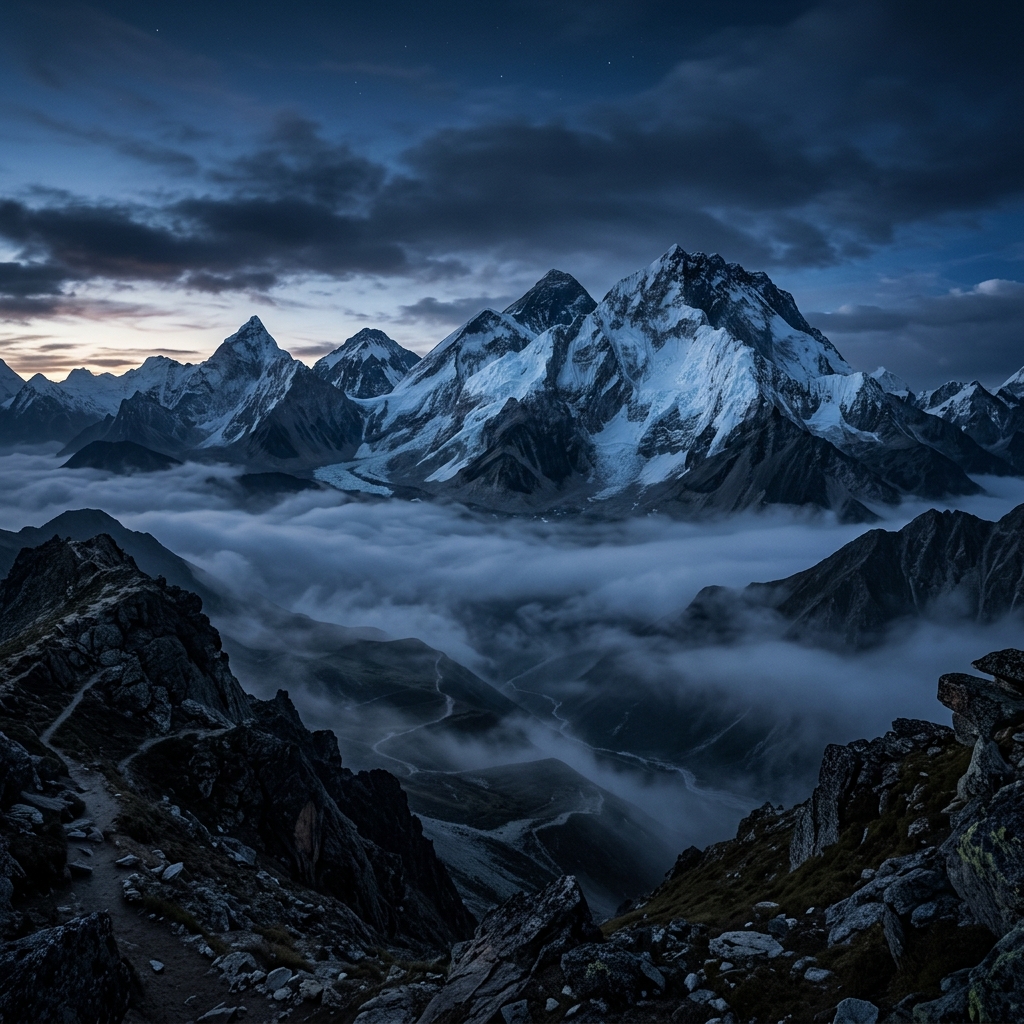

Flying Drones are popular in Nepal to capture Nepal’s stunning landscapes, cultural landmarks and the majestic Himalayan peaks. They are used to document the natural beauty of Nepal from a unique aerial perspective. It requires technical skill but the operators need to be aware about the local laws and regulations of flying drones in Nepal.
These rules must be followed to protect the local citizens, their property and failing to do so may result in fines and other legal issues. This blog is for both the local residents and foreign visitors to understand the regulations of drone flying. With this you can stay safe, capture incredible footage and respect the local rules.
Drone Regulations in Nepal
For a safe and legal use of drones, everyone must follow the set of rules by the Civil Aviation Authority of Nepal (CAAN). In Nepal, CAAN is the official body to manage and regulate drone operations safely. All drones must be registered with CAAN and comply with the various regulations of weight restrictions and altitude limits.
The drone must be within the operator;s visual line of sight and must avoid restricted zones such as airports, military areas and certain cultural and wildlife areas. These rules help to preserve Nepal’s natural beauty and cultural heritage as well as prevent accidents with other aircraft.
Drone Registration and Permits for Flying
After all the drones are registered under CAAN, it will receive a unique identification number to track and manage drone operations across the country. The drone permit requirements depend on the drone’s weight and intended use.
Drones Under 2 kg (4.5 lbs)
They do not require formal authorization if you’re flying on private property and below 200 ft. However, you must still follow the local guidelines and avoid no-fly zones.
Drones over 2 kg (4.5 lbs)
They require formal authorization and it is required if you’re flying over 400 ft or for any commercial use.
Issuing Authorities:
- CAAN
- Department of Tourism
- Ministry of Home Affairs
Required Documents for the permits:
- Passport
- Visa
- Flight plan
- A letter of commitment
Special Permits for Restricted Areas
For the restricted areas like airports, military zones, cultural heritage sites or certain wildlife zones, you may require additional permissions regardless of the weight of the drone.
Operational Guidelines and Limits
To operate drones in Nepal, you (operator) must follow specific operational limits to ensure safety.
- Drones should not fly higher than 120 meters (394 feet).
- Operators must maintain a horizontal distance of not more than 500 meters (1,640 feet).
- The drones must be within visual line of sight.
- The operators must be able to see the drone with their own eyes without using binoculars or cameras.
- The drone flight must be conducted in broad daylight and during clear weather conditions.
Documentation for Foreign Operators
Aside from the CAAN registration, foreign drone operators must complete a temporary drone registration by the Flight Safety Standard Department (FSSD) in Kathmandu. This is required to officially authorize the drone for flight in Nepal.
For further assistance, you can contact CAAN directly:
Address: Sinamangal Rd, Kathmandu 44600
Email Address: drone@caannepal.gov.np
No-Fly Zones and Restrictions
The certain areas in Nepal have strictly off limits for zones, or no-fly zones to ensure safety, security and the protection of certain zones. The location includes airports, airfields, military areas, and government buildings.
The operators must avoid crowded areas and public events to prevent any accidents and privacy compliance. The national parks, heritage sites, and religious areas require special permission before flying a drone.
Consequences of Non-Compliance
If you fail to follow the rules and regulations related to drone flying, you will face some serious consequences. You may face fines ranging from NPR 2,000 to NPR 5,000, confiscation of your drones and even legal actions. You can also endanger the local citizens, wildlife, and property.
You need to understand and respect the laws, enjoy the drone activities and stay within the law. Prevent accidents and promote responsible drone flying!
Equipment Tips
You need to carry the right equipment for effective drone operation.
- Bring your power banks, extra batteries, and protective cases.
- Carry a lightweight drone with long battery life.
- Carry a drone with stable GPS performance which is suitable for Himalayan treks.
Best Locations for Drone Photography inside Kathmandu Valley
You can capture the complex architecture and lively city life from unique aerial perspectives at iconic locations like Patan Durbar Square during Patan city tour, Bhaktapur Durbar Square during Bhaktapur city tour, and Swayambhunath Stupa during Kathmandu city tour. It is challenging to fully appreciate the centuries-old temples, palaces, and traditional Newari streets that are on display in these places from the ground up.
Pashupatinath Temple, the Garden of Dreams, and the surrounding hills offer breathtaking contrasts of greenery, rivers, and urban settlements for nature and landscape photography. To respect cultural sensitivities while taking stunning footage, you must make sure that you abide by local drone laws and stay away from restricted areas close to places of worship or busy places.
Drone Photography in the trekking region
The trekking areas of Nepal provide some of the most breathtaking drone photography opportunities. Due to the dramatic landscapes created by the Himalayan peaks, deep valleys, and isolated villages, the amazing treks include Manaslu Circuit, Upper Mustang, Kanchenjunga Base Camp, and Ghorepani Poon Hill, in addition to well-known routes like Everest Base Camp, Annapurna Circuit, Langtang Valley, and Makalu Base Camp. From the lush forests of Langtang and Annapurna to the arid landscapes of Upper Mustang, every trek offers a different view.
Conclusion: Fly Responsibly
Flying drones in Nepal offer beautiful responsibilities to capture the stunning landscape, cultural heritage and Himalayan vistas. However, you must follow the local laws, obtain necessary permits and respect the no-fly zones. You should safely explore Nepal and preserve its natural beauty and cultural integrity. Carry the right equipment and plan for a smooth and enjoyable experience!