


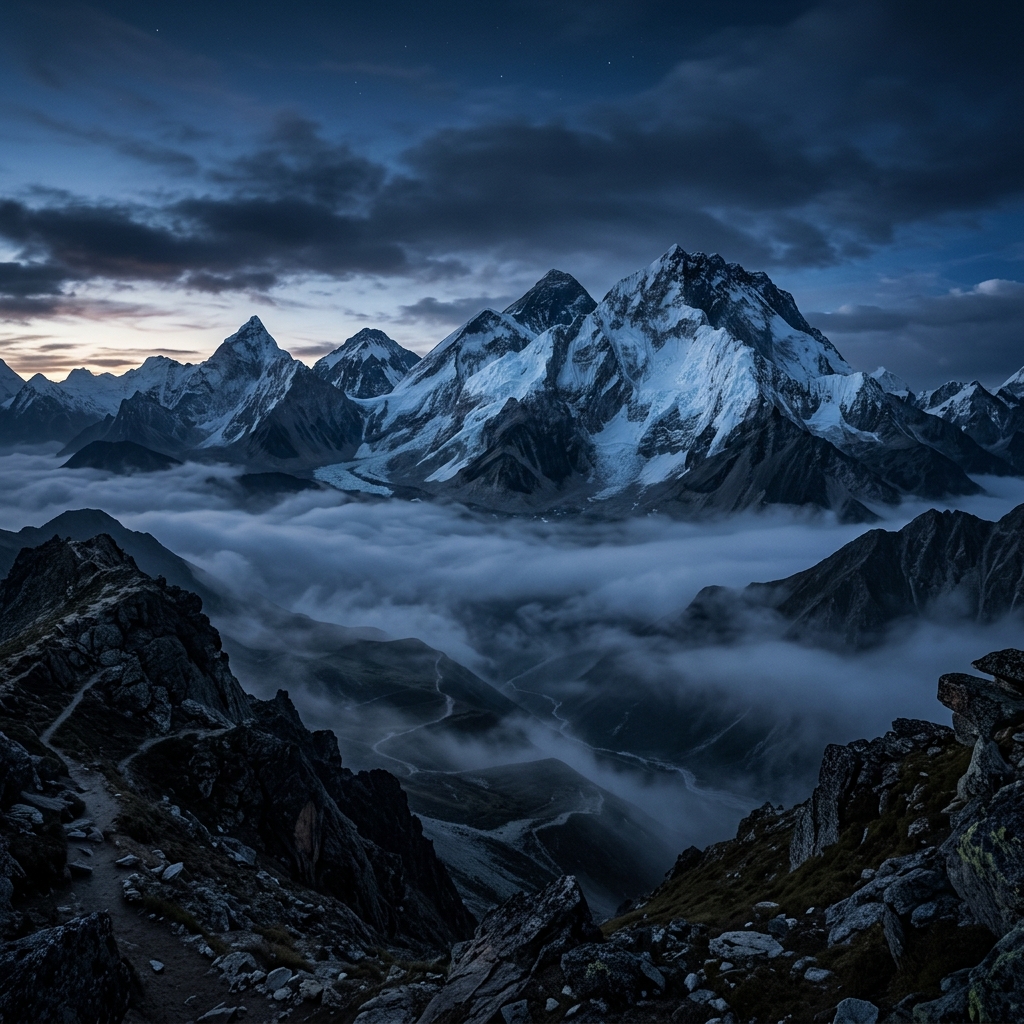

The Everest Dudhkoshi Cultural Trail at Lower Solukhumbu Nepal was officially launched on September 01, 2025. The new trail has been recently developed by Mapya Dudhkoshi Rural Municipality (RM) and Trekking Agencies’ Association of Nepal (TAAN). With further help from NTB/UNDP Sustainable Tourism for Livelihood Recovery Project (STLRP), the freshly explored trekking destination serves as a gateway to Everest Base Camp and Mera Peak Trek.
If you are dreaming about Mount Everest, this new trekking route is applicable even without even going to high altitude! The highest point of the trek is just 3,168m high therefore, it is accessible to all trekkers.
With different duration and activities, the Everest Dudhkoshi Cultural Trail offers 05 different itineraries.
Mapya Dudhkoshi Trekking Itinerary 01:
| Days | Program |
| 01 | Drive from Kathmandu to Salleri |
| 02 | Trek to Kudham Mid Camp via Ghumne Mera |
| 03 | Morning Kudam View Point and Trek to Yotelmya |
| 04 | Trek to Khastap via Rappchha |
| 05 | Drive to Salleri via Bhumesthan Paasdha (Sundar Jharana) and Mahabhir |
| 06 | Drive back to Kathmandu |
Mapya Dudhkoshi Trekking Itinerary 02:
| Days | Program |
| 01 | Drive from Kathmandu to Salleri |
| 02 | Trek to Ghumne Mera via Ratnangge |
| 03 | Morning Kudam View Point and Trek to Yotelmya |
| 04 | Trek to Juving via Andheri |
| 05 | Trek to Deurali via Hill, Solaban and Jaleswori Mandir |
| 06 | Trek to Waku and Drive to Iosku via Kanku Bhumesthan |
| 07 | Drive to Salleri via Paasdha Jharana, Mahabir Rock Climbing Sport |
| 08 | Drive back to Kathmandu |
Mapya Dudhkoshi Trekking Itinerary 03:
| Days | Program |
| 01 | Drive from Kathmandu to Salleri |
| 02 | Trek to Ghumne Mera via Ratnangge |
| 03 | Morning Kudam View Point and Trek to Yotelmya |
| 04 | Trek to Juving/ Bumburi |
| 05 | Trek to Solaban via Jube, Hill |
| 06 | Trek to Waku via Deurali |
| 07 | Drive to Salleri via Paasdha Jharana, Mahabir Rock Climbing Sport |
| 08 | Drive back to Kathmandu |
Mera Peak Itinerary via Waku, Mapya Dudhkoshi (Itinerary 04)
| Days | Program |
| 01 | Drive to Waku via Kaya Khet |
| 02 | Trek to Solaban via Deurali/ Jaleswori Mandir |
| 03 | Trek to Sibuje |
| 04 | Trek to Chhatra Khola |
| 05 | Trek to Kothe |
| 06 | Trek to Thangnak |
| 07 | Drive to Khare |
| 08 | Acclimatization Day at Khare |
| 09 | Trek to High Camp |
| 10 | Trek to Mera Peak and back to Khare |
| 11 | Trek to Taktho |
| 12 | Trek to Ramailo Dada |
| 13 | Trek to Sibuje and Drive to Salleri |
| 14 | Drive back to Kathmandu |
Mera Peak Itinerary via Salleri, Mapya Dudhkoshi (Itinerary 04)
| Days | Program |
| 01 | Drive to Salleri |
| 02 | Drive to Jube |
| 03 | Trek to Sibuje |
| 04 | Trek to Chhatra Khola |
| 05 | Trek to Kothe |
| 06 | Trek to Thangnak |
| 07 | Drive to Khare |
| 08 | Acclimatization Day at Khare |
| 09 | Trek to High Camp |
| 10 | Trek to Mera Peak and back to Khare |
| 11 | Trek to Taktho |
| 12 | Trek to Ramailo Dada |
| 13 | Trek to Sibuje and Drive to Salleri |
| 14 | Drive back to Kathmandu |
Everest Base Camp Trek via Mapya Dudhkoshi (Itinerary 05)
| Days | Program |
| 01 | Drive to Salleri |
| 02 | Trek to Kudham via Ghumne Mera |
| 03 | Trek to Kharikhola |
| 04 | Trek to Surke |
| 05 | Trek to Monjo |
| 06 | Trek to Namche Bazaar |
| 07 | Acclimatization Day at Namche Bazaar |
| 08 | Trek to Phortse |
| 09 | Trek to Dingboche |
| 10 | Trek to Lobuche |
| 11 | Trek to Gorakshep and explore Everest Base Camp |
| 12 | Early morning Kalapatthar and back to Pheriche |
| 13 | Trek to Tengboche |
| 14 | Trek to Monjo |
| 15 | Trek to Lukla |
| 16 | Flight back to Kathmandu |
Journey from Kathmandu to Salleri
By Road (Bus or Jeep)
| Mode | Route | Distance | Time Duration | Cost (USD) |
| Bus | Kathmandu → Dhulikhel → Khurkot → Ghurmi → Salleri | 267 km | 10 – 13 hours | $15 to 30 |
| Shared Jeep | Kathmandu → Chabahil → Dhulikhel → Khurkot → Ghurmi → Salleri | 267 km | 8 – 10 hours | $25 to 50 |
| Private Jeep | Kathmandu → Chabahil → Dhulikhel → Khurkot → Ghurmi → Salleri | 267 km | 8 – 10 hours | $250 to 450 |
By Air (Flight to Phaplu and Drive to Salleri)
| Mode | Route | Distance | Time Duration | Cost (USD) |
| Flight + Drive | Kathmandu → Phaplu (flight) Phaplu → Salleri (drive) | 267 km | 3 hours | $110 to 430 |
Nature and Wilderness along the Everest Dudhkoshi Cultural Trail
The Everest Dudhkoshi Cultural Trail is a beautiful journey full of natural scenery, surrounded by gurgling streams, from lush green forests to terraced farmlands and sparkling rivers. The trail passes through an amazing patch of rhododendron forests along with mountain The Dudhkoshi River winds through deep valleys and the traditional farming terraces that cascade down the hillsides. The dense oak, birch, and conifer forests in lower and mid altitude sections adds a pristine beauty at every turn.
The trail offers spectacular views of the Himalayan Peaks like Mount Everest (8,848m), Ama Dablam (6,812m), Thamserku (6,623m), Kangtega (6,782m) and Lhotse (8,516m). Along the way, you will find various:
- Flora: Rhododendron, Bamboo, Oak, Pine, Fir, Birch, Juniper, Alpine shrubs, Hardy grasses and wildflowers like primula and gentians.
- Fauna: Himalayan Tahr, Musk Deer, Red Panda, Langur Monkeys, Blood Pheasant, Snow Partridge, Woodpeckers and rarely Snow Leopard.
Cultural and Spiritual Beliefs along the Everest Dudhkoshi Cultural Trail
Mapya Dudhkoshi is deeply influenced by the Sherpa community and Khaling Rai, Tamang, Magar, Chettri as well as Brahmin communities. By staying in local homestays, you can truly experience their own cultural dances, folk songs and ancestral rituals and traditions.
Festivals throughout the year:
- Waas Festival (Khaling Rai festival)
- Ubhauli and Udhauli (Kirat Rai festival
- Lhosar (Sherpa and Tamang New Year)
- Dashain and Tihar (Nepal’s largest Hindu festival)
Along the trail you will see many monasteries, stupas and gompas as the centers of prayer and meditation. You will often find prayer wheels and prayer flags that hold spiritual significance.
Best Season to Trek Everest Dudhkoshi Cultural
As per the Mapya Dudhkoshi Rural Municipality, Solukhumbu, the Everest Dudhkoshi Cultural Trail is an all season trek hence, you can trek throughout the year. The spring (March to May) and autumn (September to November) offers the clearest skies and breathtaking mountain views of Mt.Everest, Number, Lhotse, Baruntse, Thamserku, and many more. The trail is still accessible during the monsoon (June to August) and winter (December to February) and has serene snow-clad landscapes.
From peaceful snowy landscapes to blooming rhododendrons, every season has its own charm!
Adventure activities on the Everest Dudhkoshi Cultural Trail
Rock Climbing
Rock climbing is possible on some of the trail’s rocky cliffs and rocky terrain. Climbs on natural rock faces are occasionally organised by local guides, providing adventurers with an exhilarating opportunity to test their stamina and skill while taking in the breathtaking Himalayan landscape.
Cycling
Mountain biking and cycling adventures are possible in the lower parts of the Dudhkoshi region. As you pass through Sherpa villages, you can experience both physical challenge and cultural immersion as you navigate through rolling hills, suspension bridges, and forest trails.
Honey Hunting
Locals use ropes and ladders to scale steep cliffs in order to collect wild honeycombs created by enormous Himalayan bees, making honey hunting a distinctive traditional adventure. You can watch or even take part in this risk-taking activity that combines adrenaline and cultural tradition.
Everest View Trail Marathon
Parts of the Dudhkoshi and Khumbu trails are traversed by the Tenzing–Hillary Everest Marathon, one of the highest-altitude races in the world, which is geared towards extreme adventurers. With breathtaking views of Everest and the surrounding peaks, you will traverse rocky mountain trails, suspension bridges, and steep ascents.
Accommodation during the Everest Dudhkoshi Cultural Trail
Traditional homestays are the primary form of accommodation during the Everest Dudhkoshi Cultural Trail, providing you with a cosy and genuine experience. Typically, rooms are modest but cosy, with simple bedding and communal amenities. In addition to boosting the local economy, this kind of lodging enhances the trip by fusing adventure with cultural awareness and real-life community engagement.
Homestays offer a distinctive way to experience Sherpa culture in addition to comfort. You can assist in cooking, discover regional traditions, hear folktales, and even take part in small celebrations or village events.
Required documents and permits for the Everest Dudhkoshi Cultural Trail
The required permits for the Everest Dudhkoshi Cultural Trail are Sagarmatha National Park Entry Permit and Khumbu Pasang Lhamu Rural Municipality Permit.
| Permit | Cost (USD) |
| Sagarmatha National Park Entry Permit | 25 USD |
| Khumbu Pasang Lhamu Rural Municipality Permit | 15 USD |
The required documents for the Everest Dudhkoshi Cultural Trail are
- Valid Passport
- Nepal Visa
- Passport Sized Photographs
- Travel Insurance
Trekking essentials and facilities
Along the Everest Dudhkoshi Cultural Trail, mobile phones and other devices networks are limited. Basic data services and inexpensive calling are offered by local SIM cards such as NCELL or NTC. Since electricity can be limited in isolated villages, you need to carry power banks, solar chargers, headlamps, and cameras to make the trek more convenient. Many teahouses, homestays, and lodges offer Wi-Fi and internet, frequently for a nominal fee .
Conclusion: Scenic and Accessible Trekking on the Dudhkoshi Trail
If you are looking for a combination of adventure, cultural immersion, and scenic beauty without the difficulties of high-altitude trekking, the Everest Dudhkoshi Cultural Trail is the perfect option. Since the trail only reaches a maximum elevation of 3,168 meters, it is relatively easy and appropriate for hikers of all ages, including novices and families. Choosing this trek offers a fulfilling adventure that strikes a balance between comfort, culture, and scenery. The Everest Dudhkoshi Cultural Trail is a safe and easy experience of Sherpa culture, beautiful landscapes, and Himalayan views!