Panauti Namobuddha Day Hike: 1 Day
 in TripAdvisor
Recommended by 99% of travelers
in TripAdvisor
Recommended by 99% of travelers
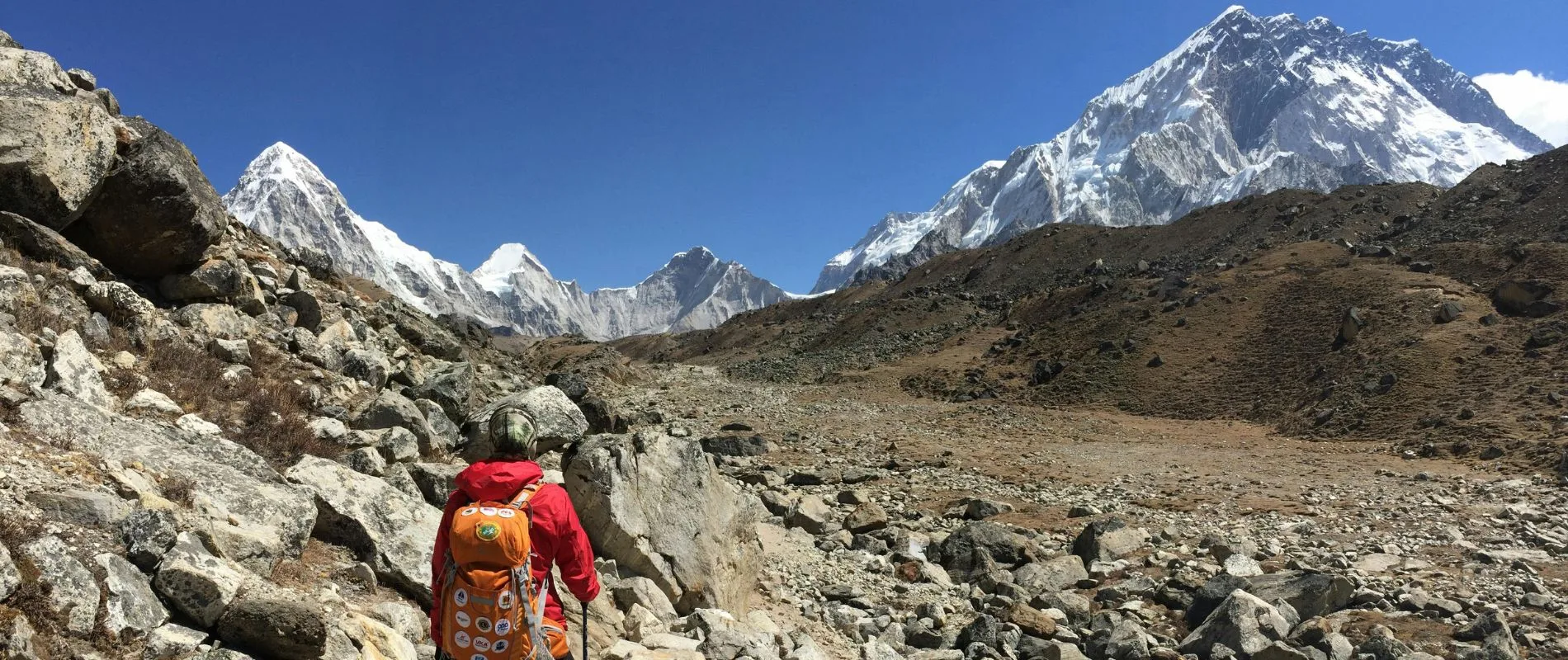
Overview Of Panauti Namobuddha Day Hike: 1 Day
- Region
- N/A
- Destination
- N/A
- Max Altitude
- N/A
- Activity
- City Tour in Nepal
- Duration
- 1 days
- Group Size
- 20+
- Best Season
- Every Season
- Accommodation
- N/A
- Meals
- N/A
- Transportation
- N/A
Highlights Of Panauti Namobuddha Day Hike: 1 Day
Historic Charm of Panauti: Start the trip from Nepal's oldest town, Panauti, which features Newari architectural wealth and spiritual legacy, along with its standout attraction - the Indreshwar Mahadev Temple.
Scenic Countryside Drive: The route leads you through Bhaktapur and Kavrepalanchok, where views include terraced fields, pine forests, and traditional hillside villages.
Picturesque Hiking Trail: Walk through rice fields, cross suspension bridges, and pass Newari and Tamang settlements to experience rural serenity.
Rest at Baithali Village: Balthali invites you to its peaceful eco-village location,, where they can experience far-reaching views of distant mountains, lands, and beautiful hills.
Lunch at Namobuddha: You can savor regional delicacies such as dal bhat and thukpa while overlooking the Himalayas and valley landscape.
Spiritual Exploration at Namobuddha Monastery: Spirituality awaits at Thrangu Tashi Yangtse Monastery, Namobuddha Monastery, where people honor the compassionate prince and the tigress through Buddhist beliefs.
Panoramic Himalayan Views: If the weather permits, you can view magnificent mountain peaks such as Langtang, Gaurishankar, and Manaslu from the monastery's hilltop.
Peaceful Return Hike and Drive Back: To end the journey, complete the trail descent once more while observing different views of the scenery. Then, finish the day with a comfortable drive back to Kathmandu.
Description Of Panauti Namobuddha Day Hike: 1 Day
The Panauti to Namobuddha Day Hike is a beautiful blend of nature and spiritual experience. The hike typically starts from Panauti and you retrace your steps back to Kathmandu.The hike from Panauti lasts between 3 and 4 hours one way and extends over rural terrains for 10 to 12 kilometers. A complete 7 to 8-hour excursion that includes stopping areas and site exploration works well as an all-day adventure.
You can hike to Namobuddha in any season. Still, due to favorable conditions, the ideal times to embark on this hike are during the spring months between March and May, and the autumn stretches from September to November. Spring walking trails are decorated with blooming rhododendrons, and autumn releases gorgeous rice fields. You walk past fields with stepped terraces throughout the trail, then move into pine tree forests, followed by traditional village sights. The hike becomes more tranquil through the combined sounds of birds and the moving prayer flags you can witness during your journey.
Entering Panauti represents a new landscape view because the return hike shows a distinct view of the mountains. Moving downhill proves less challenging, so you can maintain a slower and more leisurely pace. The route provides an opportunity to drink tea in Balthali or to take pleasure in the serenity of the region. Your day ends with a Kathmandu-bound travel that ties together your experiences of nature, culture, and spirituality.
How does the Panauti to Namobuddha Day Hike start and end?
The Panauti to Namobuddha Day Hike starts with a drive from Kathmandu to Panauti. A short hike to Namobuddha Monastery, the hike back to Panauti and the drive back to Kathmandu ends the hike day.
Driving from Kathmandu, you will pass Bhaktapur to reach the peaceful areas of Kavrepalanchok district for this one day hike between Panauti and Namobuddha. From the city edge, the landscape develops into fields with stone walls and hills covered with pine trees, while the villages present a calm atmosphere. Panauti stands as a delightful heritage community that exists where the Roshi and Punyamati Rivers join together.
Panauti demonstrates Newari's cultural, last, and historical significance because it contains the oldest Indreshwar Mahadev Temple, showcasing pagoda architecture and other ancient sites. The sanctuary of Panauti provides you with a soothing spiritual start to explore the journey throughout the day.
To reach Namobuddha, you will cross a suspension bridge before entering rice terraces, followed by a walk through traditional local houses. Green surroundings, songs of birds, and village scenes belonging to the Newari and Tamang communities decorate the entire hiking path. Balthali village is a mid-point attraction with eco-resorts and magnificent hill and peak views throughout its scenic landscape. It is an easy experience backed by natural surroundings and cultural immersion. Pine tree forests encompass the path, which reveals prayer flags while presenting views of the Namobuddha Monastery seated on the mountain ridge.
You will encounter a peaceful religious sanctuary that rests on top of a hill upon their arrival at Namobuddha. You can savor the meals at local eating spots featuring monastery cafes and local culinary delights such as dal bhat, thukpa, and vegetable curry when viewing valleys from elevated positions. After lunch, you will visit Thrangu Tashi Yangtse Monastery to see where the Buddhist legend shows how the Buddha sacrificed his body to feed a hungry tigress in his previous life.
Spinning prayer wheels, colorful murals, and prayerful spots create the monastery into an essential spiritual sanctuary. The rising eastern Range of the Himalayas extends from Langtang Peak to Gaurishankar Peak on days when visibility is good.
The return journey to Panauti uses the same beautiful path, which now holds greater appreciation from you. Traveling downward is an enjoyable experience since it gives you more opportunities to spot things in the fields, villages, and mysterious forest temples.Taking a stop in Balthali for tea provides relaxing comfort for travelers when they begin their journey back.
After returning to Panauti, you will take a serene road journey back to Kathmandu and observe identical mountain scenery and cultivated fields. The day hike provides an impeccable blend of countryside beauty with cultural revelations and spiritual tranquility through which you can keep beautiful memories of Nepal's hidden treasures.
What is the best time for the Namobuddha Monastery Day hike?
Spring in the Panauti to Namobuddha day hike brings moderate temperatures, from refreshing days to warm conditions and cool evenings. During this season, the natural landscape welcomes you with blooming rhododendrons that contrast with the vibrant plants coating the surrounding area. At this time, you can enjoy experiencing the countryside's natural beauty because the landscape reaches its peak of coloration, and skies typically remain illuminated without cloud cover. The weather conditions during spring remain comfortable since this season sits between warm and cold extremes.
Autumn (September to November)
Autumn is Nepal's most recommended time for trekking because it presents outstanding conditions. The daytime temperatures remain cool, and nights are extremely cold in this period. During this season, the sky remains crystal clear, providing optimal conditions for Langtang Peak, Manaslu, and Gaurishankar Mountain due to their exceptional height. The geographic area features radiant rice fields, which create stunning vistas. After the monsoon season ends, the trails become dry and thus safe, and the mountains far away appear with maximum clarity. People adore visiting Nepal for during autumn because it provides comforting weather, panoramic clear skies, and enchanting views.
Monsoon (June to August)
The winter weather poses difficulties on the trek while still allowing completion. Cold temperatures become severe during dawn and dusk, making hiking uncomfortable for several hikers. The Namobuddha area and other high-elevation points face freezing conditions, while snow accumulation on trails establishes an additional obstacle for trekking paths. Limits to hiking hours arise from harsh temperatures that occur during nighttime, especially since sunset approaches. The clear skies combined with low tourism rates allow you to enjoy peaceful moments despite the cold weather.
Winter (December to February)
Heavy rainfall turns the hiking trails into dangerous, slippery terrain with muddy surfaces. People tackling this trail need to watch out for landslides during their ascent, as certain route segments present actual risks to safety. During this period, the mist from thick clouds and fog blocks the visibility of magnificent mountains, so the landscape remains heavily obscured. During October through April, you should expect wet conditions and unpleasant experiences on the route while being at greater risk from weather-based interruptions.
All about Namobuddha Monastery
The Namobuddha Monastery, also known as Thrangu Tashi Yangtse Monastery, holds the religious and historical value of Tibetan Monastery. Situated about 40 kilometers southeast of Kathmandu, the establishment stands on a peaceful ridge with spectacular views over the Himalayas and adjacent valleys. Both religious Buddhist practitioners and common followers visit this location due to its links with the renowned Buddhist tale about Buddha in a former lifetime.
The legend tells that Prince Mahasattva spent a previous life in this vicinity when he saved a starving tigress and her cubs as Buddha. The prince chose to feed the starving tigress with his own body because he experienced strong compassion for her situation, although he failed to provide adequate sustenance. The majority of the Buddhist community believes this sacred spot to mark the Buddha's act of self-giving for tigress and cubs stands below the main monastery as a stone stupa.
Since the beginning, devotees and Buddhist scholars have acknowledged this location, and scholars have established a small shrine to honor it. Survivor monks reestablished the monastery during the twentieth century under guidance from the respected teacher, Thrangu Rinpoche. Traditional Tibetan architecture defines the monastery as an active place of spiritual education that educates local and international students on Buddhist teaching methods and meditation practices.
This sacred site serves as a cultural center of worship and is home to religious devotion and peaceful pursuits. The establishment invites everyone to participate in prayer services and meditation opportunities while allowing you to absorb the serene environment.
Outline Itinerary of Panauti to Namobuddha Day Hike
Drive from Kathmandu to Panauti
Hike from Panauti to Namobuddha
Break and Lunch
Explore the Area
Return Hike to Panauti
Drive back to Kathmandu
Itinerary Of Panauti Namobuddha Day Hike: 1 Day
Drive from Kathmandu to Panauti
Your tour starts with a calming drive from Kathmandu into Bhaktapur before reaching the tranquil areas of Kavrepalanchok district. During the mountain ascent, you will observe traditional villages, pine-forested hills, and agricultural terraces, demonstrating the quiet lifestyle ahead. The town welcomes you with its historic red-brick houses and temples combined with cobbled streets and centuries. Panauti rests where the Roshi River flows into the Punyamati River to form a setting that embraces Hindu and Buddhist spiritual traditions. If you have sufficient time, you will stop to see the historical sites, including the Indreshwar Mahadev Temple, which is among the oldest pagodas to survive in Nepal.
Hike from Panauti to Namobuddha
Climbing from Panauti means first crossing an old suspension bridge before walking through peaceful rice fields and traditional village houses. You will find the trail moving at an easy pace while seeing different settlements belonging to Newari and Tamang communities in traditional styles. The trail path lets you hear birds singing their melodies while you climb over then woodlands. You will reach Balthali, where you can experience the relaxing atmosphere of this scenic mid-point village and its many eco-resorts. While resting at this spot you can enjoy panoramic views of hills with farmland visibility and distances mountains. The trail takes you up through pine forests while you can see the monastery positioned on the horizon, along with fluttering prayer flags throughout the trek. The expedition develops into a state of meditative calm because the expanding vista links to breathing clean air.
Break and Lunch
When you arrive at Namobuddha your experience will be marked by tranquility while enjoying both spiritual and elevation-based perceptions. A tranquil ridge summit at this holy place provides unwritten views of eastern Himalayas alongside the surrounding green valleys. You will find a quietness for a much needed breakfast while recovering from the mountain ascent. The restaurants in Namobuddha provide fresh local food, including dal bhat, Tibetan thukpa, noodle soup, and vegetable curry with flatbread that guests and monks prepare. You may choose to eat while looking over trees from an outdoor dining area or unwind inside among comfortable furniture while enjoying the pure mountain breeze.
Explore the Area
After your lunch, spend some time absorbing the entire spiritual essence of Namobuddha Monastery (Thrangu Tashi Yangtse Monastery). The site has great historical significance because it honors the compassionate deed of a prince who is believed to be Buddha reborn since he sacrificed his life to feed a starving mother tigress along with her cubs. This important site contains a noble stupa representing the famous historical event where the Buddha manifested. The Namobuddha Monastery offers multiple sites to experience, such as prayer wheel rotations, monk observances, and silent meditation opportunities. The well-kept complex of the monastery displays vibrant colors that decorate its walls, along with spiritual symbols and artistic murals. From Langtang to Gaurishankar and Manaslu peaks, the Himalayan range will be brightened if weather conditions allow it. The location creates both tranquility and profound religious energy, providing perfect conditions for contemplation and picture taking.
Return Hike to Panauti
Your heart fills while your mind finds peace before you start walking down to Panauti. The reverse direction along the same pathway reveals fresh perspectives about the scenery since it provides a different point of view. Moving down this path provides better support for your legs, which enables you to observe patiently as the villages and their agriculture fields unfold before your eyes and hidden temples appear in the forest shadows. Prepare to stop for a brief visit in Balthali, where you can relax at a local family home while drinking a cup of tea or relax on the benches that overlook the radiant fields. The descent section of the hike brings you peace through its low human activity and abundant bird noises, thus completing the active walking segment successfully.
Drive back to Kathmandu
The drive from Panauti to Kathmandu awaits you after your journey back to this village. The complete excursion follows a calm path along terraced slopes and hills in the distance while returning back through the same direction. At the end of your journey, you will arrive at the city full of fresh vitality stemming from cultural discoveries, nature's charm, and light exercise. Your arrival in Kathmandu will encounter the vibrant city atmosphere that creates a meaningful understanding about Nepal's unknown attractions.
What's Included In Panauti Namobuddha Day Hike: 1 Day
Included
Private Transfer to Dhulikhel from Kathmandu
Private Transfer to Kathmandu from Namobuddha
Experience English Speaking Guide
Local Park Entry Fees/ Monuments Entrance Fees
Bottled Water
First Aid Kit/Hiking Poles ( refundable)
Tea/Coffee, Snacks, and Lunch
Applicable government taxes
Excluded
Accommodations and Meals ( Breakfast & Dinner)
Personal expenses such as Drinks, Shopping, etc
Personal Clothing and Hiking Gears
Your Travel Insurance
Tipping and Gratitude
Any Other Services which is not mentioned
Additional Information Of Panauti Namobuddha Day Hike: 1 Day
What documents and permits are required for the Panauti to Namobuddha Monastery Day Hike?
The Panauti to Namobuddha Monastery Day Hike is a seamless and pleasant journey that requires essential identification. You need to have a basic understanding of sacred site traditions because this hike requires little effort, yet no official trekking permits exist. Your hiking experience between Panauti and Namobuddha will benefit greatly when you understand fee policies, purchase insurance coverage, and maintain proper respect for the sites.
Required Documents and Permits
You do not require a TIMS card or conservation area permit for Panauti to go to Namobuddha, as the trail remains outside protected or restricted zones. The trail provides convenient conditions for all visitors, including both nationals and tourists. Foreign nationals should always bring copies of their passport and visas because it may help during occasional verification by local authorities. The presence of identification documents enables you to speed up security checks that local authorities or personnel might request near the hiking trail or within the Namobuddha Monastery.
Entry Fees
Namobuddha Monastery and its surrounding grounds do not require official entry fees from visitors, who are free to explore all areas. Donations at Namobuddha Monastery are voluntary but essential for maintaining the life of resident monks and the upkeep of the facilities. Visitors coming first to cultural destinations in Panauti before hiking should donate a minimal amount (typically between NPR 50–100) for their entry. These informal payments go toward local community projects of maintenance and preservation efforts.
Travel Insurance
Travel insurance is optional for the short low-altitude hike; however, all tourists in Nepal should seriously consider purchasing a coverage plan. Travel insurance with a medical emergency, accident protection, and evacuation capabilities becomes particularly useful when you begin longer rural treks in addition to your day hikes. Basic outdoor procedures are required for standard travel insurance to protect day trekkers, so verify that your policy includes such coverage.
Additional Tips
The basic official requirements for travel to a sacred place are low, yet planning remains crucial to maintaining safety during your respectful visit. You should dress modestly when seeing temples or monasteries since you must take off your shoes to enter sacred places and restrict your use of loud noises and photography. When you travel with assistance from a guide or a travel agency, they will assist with transportation logistics, route design, and etiquette understanding. Your journey improves through information and respect because it helps your spiritual and local community experiences while hiking.
Trail Difficulty and Fitness Level
The hike levels are moderate as it welcomes beginners with regular fitness habits. The trail includes some demanding slopes, mainly at its final part, yet hikers who maintain a controlled speed can manage these sections without difficulties. Natural beauty merges with rural village views to create a pleasant path that does not require extreme strength.
The trail comprises dirt trails, stone stairs, and some unbalanced areas that demand suitable walking footwear. You should take regular rest stops and drink water frequently while enjoying quick snacks that make the experience less challenging. A few steps before arriving at Namobuddha, you will experience magnificent views of the hills and valley landscape that open before your eyes. The Namobuddha Monastery marks the endpoint of the hike. The sacred establishment stands majestically on a ridge. It is the perfect place to unwind while taking pictures and basking in the serene ambiance before departing from the site.
Cardiovascular Conditioning
Aerobic fitness should be improved because the trail contains demanding uphill sections. Building cardiovascular endurance requires walking or jogging together with cycling as regular exercise. Perform cardiovascular exercises for 30 to 45 minutes in each session three to four times per week. Enhancing your climb simulation requires implementing hill or stair segments during running or walking.
Strengthen Leg Muscles
Building strength in your lower body and leg muscles will make the ascent routes in this hike easier to handle. Your efforts should revolve around squats, lunges, calf raises, and step-ups because these specific exercises reinforce thigh power and glute strength together with calf strength. Developing these muscles allows for increased leveling of the uphill journey while reducing weariness on the body.
Hiking Practice
Pre-hike preparation includes practicing your hikes on terrains matching the hiking trail. Identify walking paths within your area, which include slopes and flat areas, while attempting to walk across various ground types. Begin with brief walks, then expand the hiking length and climb heights while improving your comfort levels. The result of this practice will make you more experienced with walking diverse surfaces, therefore gaining confidence for your upcoming trial.
Prepare your Gear
Check your hiking shoes for comfort before your trip by performing tests on even and rugged terrain. Hikers should carry a light backpack to create an authentic weight experience that matches hiking conditions. Building endurance for packing purposes requires builders to gradually raise the weight of their supplies when preparing for a hiking day if they plan to carry extra items like food or fluids.
Sustainability and Responsible Travel
A hike from Panauti to Namobuddha Monastery needs you to practice sustainable travel along with responsible guest practices to safeguard the natural environment and honor local community traditions. The following guidelines will help your hike deliver positive outcomes:
Respect the Local Customs
The nearby region of Namobuddha Monastery upholds strong traditional Buddhist traditions that the local citizens practice. Modest dress and respectful behavior should always be maintained when you visit a monastery. The area demands you to maintain quiet conduct as well as stay away from rowdy conduct. Before entering prayer halls at the monastery, follow any regulations that require you to remove your footwear. The traditional Namaste greeting serves as an essential introduction step while locals follow specific cultural practices, so it brings honor to greet them politely.
Support the Local Businesses
Throughout the trek, you can support the economies of small villages that depend on travel and tourism for their income-sustaining strategies. You can support traditional local businesses by buying handmade products, snacks, and food from small family-run guest houses and shops. This approach makes sustainable tourism and economic growth for the area possible. It is best to select domestically produced items instead of imports because local choices decrease environmental impact.
Avoid Littering
Outdoor areas are mainly challenged by people who drop trash into the environment. Carry a small bag for waste disposal at all times to collect and remove your trash, including any eating waste, plastic containers, or used tissues. You should exit both trails and the monastery region with a cleaner environment than how you discovered it. Picking up random pieces of trash during trails serves two purposes: it maintains natural beauty and creates a pleasant experience for others to enjoy the trail.
Minimize Environmental Impact
During your hike, protect the surrounding nature by exercising caution. Use established hiking paths because they protect sensitive environmental areas from ruin while keeping farms safe. You must stay away from the plants and wildlife and prevent creating loud noises. Choose rocks or designated areas for resting rather than destroying delicate vegetation. Reusable water bottles should replace disposable plastic bottles for reducing plastic waste while keeping a mindful approach to resource consumption in areas under stress.
Optional Side Trips
If you have extra time after the Panauti to the Namobuddha monastery, you can consider these optional side trips to make your experience more memorable.
Panauti Heritage Walk
Panauti offers a chance for exploration because it contains rich Newar cultural elements and historical sites that visitors should experience before embarking on their hike. You can explore Panauti Durbar Square, which displays elaborate temples and pagodas, or observe the historic Indreshwar Temple, a vital Hindu temple of the area. You can learn about Newari architectural traditions in this town, which should be experienced before embarking on the hike.
Buddha Stupa at Namobuddha
From Namobuddha Monastery, you can continue to look briefly at the Buddha Stupa, which is located close to the monastery. You can consider this holy land where Buddha offered himself to save the tigress as a princely figure during his time. The Buddha Stupa enjoys a setting of serene green spaces that function as an ideal area for both reflection and meditation practice. You can use this peaceful space as a tranquil destination to watch panoramic views stretch from the hills into the valleys.
Chhetrapti Village
Before returning home, take a side trip to visit Chhetrapati village. This peaceful settlement sits atop the hill near the monastery. You can discover a secluded lifestyle focused on local homes and nice views of traditional fields and residential areas. People who choose this route avoid the main path for a relaxing experience and to witness the lifestyle of local residents.
Rato Macchindranath Temple (if in season)
Travelers visiting the area during the festival season, including the Machhindranath Jatra, should visit the Rato Machhindranath Temple in the center of Panauti. The temple symbolizes great importance to followers of both Buddhist Newar and Hindu religions. The annual festival offers a cultural richness that makes this event an attractive excursion to explore during your hike.
Gear List Of Panauti Namobuddha Day Hike: 1 Day
Clothing
Base Layers
Thermal tops and bottoms (for warmth at night).
Lightweight thermal tops and bottoms (only needed for sleeping).
Lightweight trekking pants (convertible into shorts if possible).
Insulating Layers
Fleece jacket or sweater.
Light insulated jacket (enough for chilly mornings/evenings)
Outer Layers
Waterproof and windproof jacket.
Waterproof pants.
Hiking Socks
Wool or synthetic socks (3-4 pairs).
Liner socks (optional, to prevent blisters).
Accessories
Hat (for sun protection).
Beanie or warm hat (for higher altitudes).
Buff or scarf (to protect against wind and dust).
Gloves (both lightweight and insulated if possible).
Footwear
Hiking Boots
Sturdy, well-broken-in hiking boots or trail runners.
Camp Shoes
Lightweight sandals or slippers for resting.
Backpacks
Daypack (20-30L)
For essentials like snacks, water, and rain gear.
Trekking Gear
Trekking Poles
Helpful for balance and reducing stress on knees.
Sleeping Bag
light liner or $-5^\circ \text{C}$ bag is optional, blankets are provided.
Water Bottles
Reusable bottles or a hydration bladder (2-3 liters capacity).
Water Purification
Tablets, drops, or a portable filter to avoid purchasing bottled water.
Headlamp
With extra batteries (essential for early starts or evening walks).
Sunglasses
UV protection to safeguard against strong sunlight at altitude.
Trekking Map and Compass
Optional, but can help you follow along with the route.
Toiletries
Sunscreen (SPF 50+)
Lip Balm (with SPF)
Toilet Paper
Wet Wipes
Hand Sanitizer
Biodegradable Soap/Shampoo
Toothbrush and Toothpaste
First Aid & Medication
Personal Medication
Bring a sufficient supply of any prescribed medications.
Basic First Aid Kit
Painkillers, blister care (like moleskin), band-aids, and antiseptic cream.
Altitude Sickness Medication
Such as acetazolamide (consult your doctor before taking).
Snacks and Energy Foods
High-Energy Snacks
Protein bars, nuts, dried fruit, chocolate, or energy gels for extra fuel on the trail.
Electronics
Camera/Phone
For capturing memories.
Portable Charger/Power Bank
Charging points may be scarce and expensive.
Spare Batteries
Cold weather can drain batteries quickly.
Miscellaneous
Money
Carry enough cash for food, charging, and tips in remote areas.
Small Locks
For your bags.