Island Peak (Imja Tse) Climbing - 14 Days
 in TripAdvisor
Recommended by 99% of travelers
in TripAdvisor
Recommended by 99% of travelers
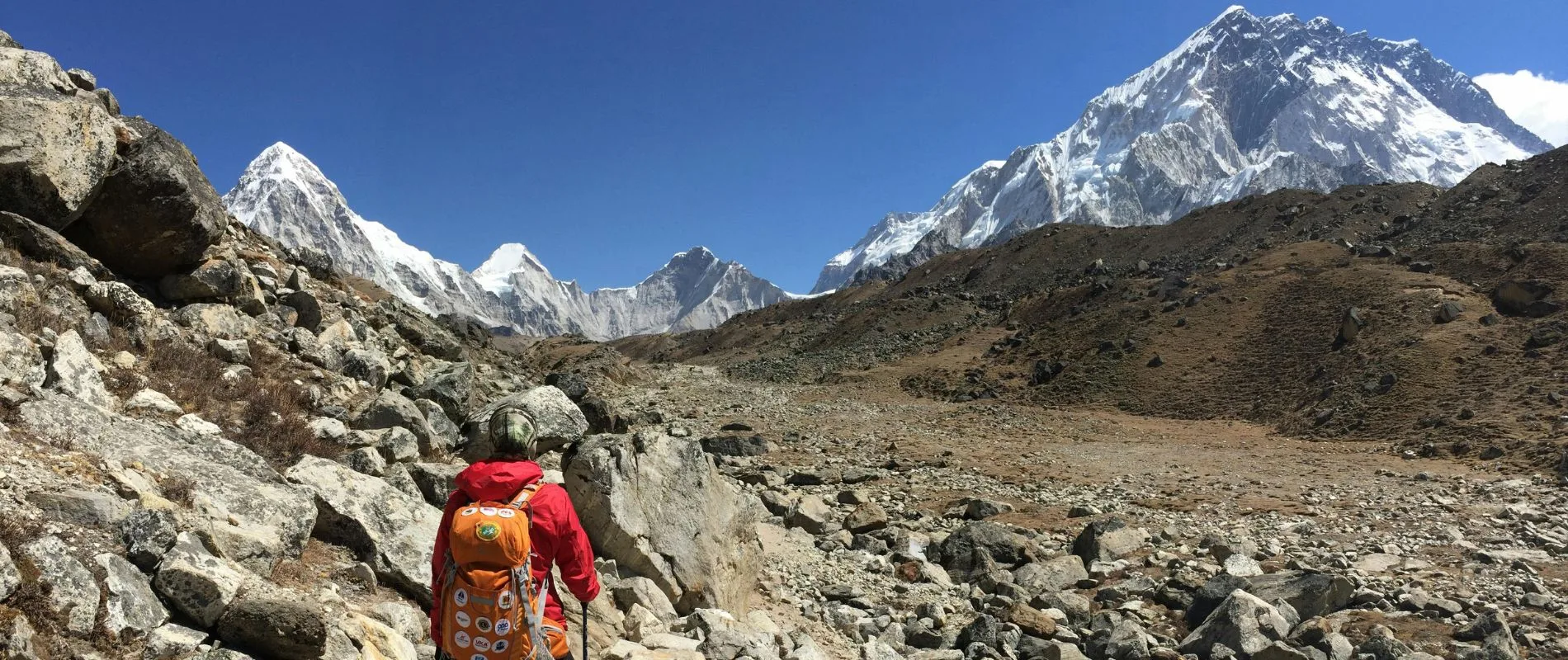
Overview Of Island Peak (Imja Tse) Climbing - 14 Days
- Region
- N/A
- Destination
- Tibet
- Max Altitude
- N/A
- Activity
- Peak Climbing
- Duration
- 14 days
- Group Size
- 1-20+
- Best Season
- March to May /Sept to Nov
- Accommodation
- N/A
- Meals
- N/A
- Transportation
- N/A
Highlights Of Island Peak (Imja Tse) Climbing - 14 Days
Fly to Tenzing Hillary Airport in Lukla, one of the world's most dangerous airports.
The trek leads visitors through the stunning Sherpa villages Namche Bazaar and Tengboche and Dingboche where Sherpa people have created a reputation for culture and friendly welcoming.
Have a short acclimatization hike to Everest View Hotel and Nangkartshang Peak, which offers mesmerizing views of mountain peaks like Mt. Everest, Ama Dablam, Mt. Lhotse, Mt. Makalu, etc.
Walk by the Sagarmatha National Park, a UNESCO World Heritage Site, and visit the Tengboche Monastery, one of the spiritual centers of the Khumbu Region.
Experience an exhilarating journey at Island Peak Summit, a challenging climb with unmatched scenery of glaciers, high passes, and towering peaks.
At Island Peak Base Camp, practice glacier walking, rope techniques, and ice climbing.
Stay in the cozy teahouses and experience authentic Sherpa cuisine.
Observe the busy street of Thamel and Kathmandu.
Description Of Island Peak (Imja Tse) Climbing - 14 Days
The Imja Tse, popularly known as the Island Peak Climbing expedition, is a demanding 14-day journey through the Everest region that combines mountain trekking with the challenge of climbing at high altitudes. The journey begins in Kathmandu for market browsing in Thamel, then continues with a flight to Lukla, which stands at (2,860m). The trek follows the typical route to Everest Base Camp by passing Namche Bazaar (3,440m) before reaching Tengboche (3,860m) and then Dingboche (4,410m). Chhukung (4,730m) and finally ends at Island Peak Base Camp (5,100m). Accompanied by professional porters and guides from Yeti Hikes, the ascent becomes secure and should be placed at an appropriate speed.
The spectacular view includes the peaks of Everest(8,848m/29,031.7ft) and Lhotse(8,516m/27,940ft), Ama Dablam(6,812m/22,349ft), and Makalu(8,485m/27,838ft). The hiking path crosses between three types of landscape featuring rhododendron forests together with high-altitude pastures and glacial moraines. Wildlife enthusiasts can spot Himalayan thars, musk deer, pheasants, and even the scarce snow leopards in distant areas. Advancing to the summit of this climb requires using crampons along with ice axes while moving up fixed ropes across the steep ice wall.
A complete set of permits includes a Sagarmatha National Park Entry Permit, a Khumbu Pasang Lhamu Rural Municipality Permit, and an Island Peak Climbing Permit from the Nepal Mountaineering Association. A successful climb requires proper adaptation to high altitude, which can only happen during rest periods in Namche Bazaar and Dingboche. The optimal months for climbing are spring (March-May) and autumn (September-November) because of stable weather conditions and clear sky views. Yeti Hikes provides adequate acclimatization programs and expert mountain guides to boost the chances of summit achievement.
The route includes both teahouses with comfortable basic rooms and tented camps at Island Peak Base Camp for accommodations. The toilet amenities gradually change from flush systems to basic squat toilets based on the elevation of the location. Dal Bhat, along with Tibetan bread momo dumplings, pasta porridge, and soups, are part of the meal menu at each teahouse, with tea, coffee, and hot chocolate offered for hot drinks. Staying hydrated using filtered water through boiling or purification tablets when reaching elevated altitudes is crucial.
Yeti Hikes provides professional guides to manage trip logistics, carry supplies, and assist climbers on the ascent to ensure trekkers get the most from the experience. Moving towards the summit becomes strenuous yet breathtaking at this point because it reveals spectacular perspectives of the Himalayan peaks. You'll return to lower altitudes through the same path traveled during descent. Through the journey on Island Peak Climbing, you will discover an unparalleled Himalayan experience.
How does the Island Peak Climbing start and end?
The 14-day climb towards the Island Peak Climbing itinerary stars with a flight from Kathmandu to Lukla. You'll then trek to Phakding, Namche Bazaar, Tengboche, and Dingboche. You'll pass by Chhukkung Ri and train at the Island Peak Base Camp for your Climb. You'll successfully summit the Island Peak and trek back to Dingboche, Namche Bazaar, and the final stretch to Lukla.
After arriving at Lukla, you'll proceed along the Everest Base Camp trail into Phakding and Namche Bazaar before acclimating to this Sherpa settlement. A section of the trail guides travelers to Tengboche because of its monastery together with Dingboche(4,410/14,469ft)) which serves as an altitude adjustment stop for climbers. Acclimatization and climbing preparation take place at Chhukung just before reaching Island Peak Base Camp at 5,100 meters.
Mountaineers who want to scale the mountain require advanced climbing abilities as they must use fixed ropes alongside ice tools and crampons. The initial part of this challenging route includes rocky terrain together with glacier passes before climbers face the steep snow and ice wall that they will scale with the assistance of fixed lines attached to it. Climbers achieve breathtaking views of Lhotse(8,516m/27,940ft), Nuptse(7,861m/25,791ft), Ama Dablam(6,812m/22,349ft) and Makalu(8,485m/27,838ft) when reaching the summit while viewing the clouds from their position in one of Earth's most spectacular settings. The descent follows the same route, providing climbers with time to acclimatize back to Chhukung and finish at Dingboche.
Yeti Hikes implements essential steps toward acclimatization success in their climbs through properly arranged itineraries with rest days alongside training and guided support. The Yeti Hikes team includes specialists who deliver safety protection during the climb and manage porters and logistics while guiding climbers through the expedition with professional expertise.
What is the best season for Island Peak Climbing?
The best season for Island Peak Climbing is spring and autumn. The trekking seasons provide ideal viewing conditions, pleasant temperatures, and transparent sky conditions. The winter and monsoon seasons create obstacles affecting trekker security and adventure benefits. Here's a closer look at why spring and autumn are the best seasons for the Imja Tse Expedition:
Spring (March to May)
Spring offers the best combination of comfortable conditions because of extended daylight hours and minimal road disruptions from weather events. The trails are decorated with vibrant wildflowers, such as rhododendrons, which grow throughout the abundant green foliage. The Himalayas offer their best climate during this period, so climbers who want more moderate weather experience their essence ideally. The spring season provides suitable conditions because the weather stays average while trekking and climbing activities remain comfortable.
Autumn (September to November)
The autumn months create perfect conditions for Island Peak climbing, which several adventurers recognize as the optimal season. Ideal trekking and peak climbing conditions exist during this period because the weather maintains a pleasant cold. During this period, Himalayan summit views appear clearly through the sky, and climbers see Everest alongside Lhotse and Ama Dablam. Autumn provides the ideal season for trekking because the fresh air pairs with excellent visibility.
The best seasons to climb Island Peak exist in spring and autumn since their weather patterns provide suitable meteorological conditions with transparent atmospheres at moderate temperatures and predictable climate patterns. The peak climbing conditions are optimal throughout these seasons because the trekking paths are free of moisture and the mountain views reach their highest clarity through outstanding Himalayan peak visibility. Temperatures during these times create suitable conditions for completing trekking and climbing tasks. Climbers can expect minimal risks of extreme weather hazards, including heavy precipitation or freezing temperatures, because of the ideal climate during spring and autumn. The seasons of spring and autumn present suitable conditions for climbers of all experience levels, making them the preferred times when mountain trekking on Island Peak.
What are the available accommodations during the Imja Tse Climbing?
The accommodations available during the Island Peak Climbing expedition include teahouses and tented camps, but the facilities will depend on the height of the terrain. The Imja Tse (Island Peak) journey enables you to experience a thrilling mountain trek through the Khumbu region, followed by the ascent of Nepal's renowned peak. Journeying upward to Island Peak, you will encounter multiple challenges for accommodations, even the toilet and bathroom facilities.
Accommodation During the Trek
Most of the time, it involves accommodation in local establishment teahouses that maintain basic comfort standards in their facilities. The major towns for teahouse accommodations stretch from Lukla through Phakding, then Namche Bazaar and Tengboche, followed by Dingboche and ending with Chhukung. Each room contains basic beds with blankets together with communal toilet access. While at the teahouses, participants can enjoy meals such as dal bhat, Sherpa stew, and traditional Nepali trekking dishes.
Accommodation at Island Peak Base Camp
Yeti Hikes to provide well-maintained high-altitude tents for accommodation. The tents contain temperature-resistant elements yet their design adheres to basic structures when compared to typical teahouses. Your Base Camp period of rest is accompanied by shared facilities including dining tents and tents for cooking at the 5,100m elevation.
Accommodation at Kathmandu
You will stay for two nights in a 3 star hotel at Thamel which has comfortable facilities within a famous tourist district. Your hotel arrangement consists of sharing a double room in the hotel facility at which you stay along with welcome and farewell dining opportunities. Every room has its own bathroom and TV equipment in addition to sufficient storage facilities. The additional hotel options for one-room occupancy or moving to four-star or five-star hotels can be booked through an extra payment. The hotels include:
Lo Mustang Hotel
Ramada Encore Hotel
Moonlight Hotel
Thamel Park Hotel
What are the Food and Beverage options during the Island Peak Expedition?
The Food and Beverage option during the Island Peak Expedition depends on the accommodation and altitude. The elevation rise results in fewer food choices yet nutritious meals sustain your energy because of the problematic trek conditions. You can find the local food favorite, "Daal Bhat," and regional Western choices depending on your location on the hiking route. People prefer drinking tea and coffee with hot water to stay warm and hydrated mainly when the temperatures drop. The safest approach is to consume hot boiled water or bottle water since drinking unboiled water can lead to stomach discomfort.
Meal | Options |
Breakfast | Porridge, eggs (boiled/scrambled), toast, pancakes, muesli, fruit, tea, and coffee |
Lunch | Daal Bhat (lentil soup with rice), noodles, sandwiches, vegetable curry, rice, and chapati |
Dinner | Daal Bhat, momos, vegetable stew, rice, noodles, Tibetan bread, and soup |
Hot Beverages | Tea (black, green, or herbal), coffee, hot chocolate, and ginger tea |
Cold Beverages | Bottled water, fruit juices, sodas (in some areas), energy drinks |
What are the Toilet and Bathroom facilities during the Island Peak Climbing?
Toilet and bathroom facilities become progressively more essential as you complete the Island Peak climbing trek because they reduce in availability with higher altitude. The lower locations of Lukla and Namche Bazaar have teahouses equipped with better contemporary amenities such as western toilets and basic bathroom facilities. The higher elevations expose you to more basic toilet facilities because most teahouses restrict their services to squat toilets. Hot showers with an added fee are sometimes available but become scarce in higher altitudes because of cold conditions and limited supply of resources. The bathrooms at these altitudes are typically communal.
The facilities at Island Peak Base Camp show simple and essential characteristics. When visiting places at higher altitudes, expect to use portable toilets along with pit latrines, during which you might experience poor privacy conditions. The severe climate reduces the maintenance in these facilities, so trekkers must bring their own toilet paper and hand sanitizers. The facilities become progressively simpler the higher you climb, which means you must plan for a primitive experience in hygiene.
How to maintain hygiene during the Imja Tse Expedition?
Both comfort and health greatly depend on maintaining hygienic practices during the Island Peak climbing trek. The essentials of wet wipes, hand sanitizers, and tissues with biodegradable soap should be packed because water may not be available for cleaning purposes. A portable hygiene set containing toothpaste, toothbrush, deodorant, and sanitary items should be filled with a sealed waste pouch. Regular sock changing combined with dry clothing will protect you from fungal infections while proper footwear hygiene will stop blisters and rashes. Since toilet paper is usually scarce during hiking, carry a personal supply for essential cleaning purposes yet dispose of everything appropriately. Sanitize your hands before you touch your face while washing your hands right before meals. Use water purification filters or tablets to sanitize water to ensure proper hydration for your body, which helps with natural detox functions. The recommended hygiene practices will maintain your comfort while keeping you healthy during your entire trekking experience.
Outline Itinerary of 14 days Island Peak (Imja Tse) Climbing
Day 1: Arrival in Kathmandu
Day 2: Flight to Lukla and Trek to Phakding
Day 3: Trek to Namche Bazaar
Day 4: Acclimatization Day in Namche Bazaar
Day 5: Trek to Tengboche
Day 6: Trek to Dingboche
Day 7: Acclimatization Day in Dingboche
Day 8: Trek to Chhukung Ri
Day 9: Trek to Island Peak Base Camp
Day 10: Summit Island Peak and trek back to Dingboche
Day 11: Trek to Namche Bazaar
Day 12: Trek to Lukla
Day 13: Flight to Kathmandu
Day 14: International Departure
Itinerary Of Island Peak (Imja Tse) Climbing - 14 Days
Yeti Hikes representive will welcome you upon your arrival at Tribhuvan International Airport before organizing your hotel transfer. Spend a few minutes relaxing in your hotel room and do make time to observe the city's streets along with shopping districts particularly Thamel. Spend your day roaming around the bustling street and do come back for your welcome dinner!
You'll have a short thirty minute flight from Kathmandu to Lukla Airport also known as the Tenzing Hillary Airport. It is one of the most thrilling experiences because of the short runway and stunning aerial route. After landing, you'll then have your breakfast and hike towards Phakding. Your climb leads from lunch to reach the consecutive towns of Monjo and Jorsale. Moving forward, you will need to cross the well-known Hillary Bridge. The journey enters Everest National Park through the Dudh Koshi River before passing into a majestic pine forest. Beautiful forested areas of rhododendrons and pine will welcome you along the path. The view of Mount Everest emerges first after you witness Thamserku Peak, Khumjung Peak, Kongde Peak, and numerous others. Four to five hours of traveling north will lead you to the Namche Bazar located at 3,438 meters (11,280 feet). A meal serving Sherpa traditional food will finish the second day of hiking.
You will stop at Phakding following your overnight stay in Namche Bazar. From this point the trail continues forward to the entry gate of Sagarmatha National Park that leads into its stunning pine forest country alongside Dudh Koshi River. The trip features stunning views of pine forests, rhododendron woods and passes along river pools and suspension bridges. Cross through the Hillary suspension bridge as you admire mountain views extending to Thamserku and Khumjung Peak with Kongde Peak among others in sight. During the expedition, you will catch your first glance of Mount Everest. The trek leads eventually to Namche Bazar at 3,445 meters elevation after trekking 5 or 6 hours north.
The steady altitude increase now requires you to take a break since it will affect both your health conditions and the adventure you experience. The selection also includes two simple treks for acclimatization during your breakfast time.
You can travel three to four hours round-trip to reach Everest View Hotel which reveals Mount Everest and Lhotse alongside Ama Dablam and Thamserku plus offers tea or coffee service. Sherpa dishes and various other meals are available for lunch at this location. The destination after the successive pathway leads to Khumjung village whereyou need to walk approximately 3 to 4 hours. During your exploration you will stop at Hillary School as well as the Khumjung Monastery where you will interact with Sherpa people. The several tea cafes within the hamlet serve food in a manner familiar to hikers during lunchtime.
During the afternoon you have the freedom to move about and explore the Sherpa Culture Museum that offers insights into Sherpa trading history combined with cultural aspects. You will have your dinner peacefully in your teahouse as preparation to continue our journey.
You will go on a sightseeing excursion to Tengboche, a significant Buddhist monastery, the next day. It offers details about the life of local nuns and their dedication to advancing Buddhist thought. You'll start the day by slowly climbing out of Namche Bazaar while taking in views of the big peaks after having a cup of tea or breakfast. Beautiful pine forests, rhododendron trees, and vistas of towering peaks like Everest and Ama Dablam encircle the trail. One of the most significant monasteries in the area, the well-known Tengboche Monastery, will be visible to you for the first time. After walking for five to six hours, you will arrive at Tengboche and eat lunch at one of the teahouses.
In order to interact with the local Sherpas, learn about their customs, and possibly delve deeper into the spiritual and cultural elements, the Yeti hikes staff advises that you all climb a few hundred meters or more to the Tengboche Monastery. As you get ready for the next destination, you can share stories with other travellers over a warm dinner to cap off your day.
The monks' serene early morning chanting will bless your morning following your amazing overnight stay in Tengboche village. Early in the morning, you will begin the next excursion, which will take you through the alpine forest to Dingboche (4,410 m/14,469 ft). Although it is the last Sherpa hamlet and has the fewest residents, some Sherpas still work and live there.
You will arrive in Phunki Thenga for a brief and delightful break and a quick snack or lunch after walking for around one and a half to two hours. The walk continues uphill, passing a number of water-powered prayer wheels. Views of the magnificent Mt. Ama Dablam, Mt. Nuptse, and other peaks await you at the end of the short Pungi Thanga trek.
You will traverse a stone-inscribed wall as you cross the Imja Khola River on a suspension bridge. Beautiful stupas, Chortens, and tiny farming communities will all be visible. As you ascend to Pangboche, you will finally reach Dingboche settlement after a 5 to 6 hours of hike.
Starting from Deboche, the walk climbs gradually along the picturesque Imja Khola River. When you get to Dingboche, you'll note that the landscape changes to a more arid setting. Some of the massive mountains, like Mount Makalu and Mount Lhotse, encircle the settlement. Stroll around the Dingboche village and with a warm dinner, have a great sleep!
In Dingboche, you will experience a peaceful day in a crucial acclimatization zone that will help your body adapt to a positive outlook. The Nangkartshang Peak hike, however, is what the Yeti Hikes team suggests you do because it will be the perfect opportunity to get your body used to the physical terrain and take in breathtaking natural sights. The journey starts off with gentle steeping that winds through lovely stretches of larger rocks and prayer flags. Hiking is both difficult and rewarding as you go higher because the trek gets longer and the sights are more expansive while also providing a breathtaking perspective of the Khumbu region's largest peaks.
It is satisfying to reach the summit of Mount Nangkartshang at an elevation of roughly 5,616 meters (18,423 feet), which explains how difficult the journey has been. The walk will take four to five hours. As a result, the views of Lhotse, Makalu, and Island Peak rising over everyone make the panoramas from the summit of the mountain appear to be from heaven. Some of the minutes will be spent enjoying the breathtaking views of the landscape and the excitement that comes with reaching such a high height. It would be the ideal location for a cold packed lunch, where one could bring power bars or sandwiches and then take in the picturesque surroundings.
Specific tea shops allow visitors to sample local food items including vegetable curries and noodles that restore your energy before continuing with further climbing activities. Your acclimatisation day permits both your body adaptation to such heights and a cultural encounter of Himalayan life before embarking on further day hikes throughout your trekking journey.
The next location is Chhukung Ri that sets on the top slope of Imja Khola valley as a pretty mountain village. Three to four hours comprise breakfast then lead to a beautiful casual walk. The journey reveals grand views of Ama Dablam when combined with Lhotse and Nuptse Ridge and several other peaks that become larger in size as the route ascends. The ascent up Imja Khola River leads the traveler toward additional glacier formations along its path. At Chhukung, you have the chance to eat at the various restaurants situated between the trail stations. It requires about one hour to walk from Chhukung until reaching Imja village. Exploring local culture becomes possible while experiencing brief walking conditions. You'll find perfect conditions to photograph while meditating in Imja village because the peaceful setting and picturesque environment create the perfect atmosphere. The tea house facilities provide you a chance to relax and speak with fellow travelers and villagers while enjoying the locals' lifestyle before making unforgettable Himalayan memories. Your hiking day concludes after having a filling meal.
The next-day climb will take you to Island Peak Base Camp, where you will reach an elevation of 5,200 meters (17,060 feet). The travel duration extends from 4 to 5 hours while passers must navigate rocky surfaces alongside glacial moraines during the trip through steep mountain slopes. Your elevation climb exposes you to effortlessly admire three peaks including Lhotse, Ama Dablam and Baruntse. You will continue to push yourself despite the thinned atmosphere because your dedication to the mountain views and climbing tasks stays constant in this phase.
After reaching Island Peak Base Camp you will create your campsite on a smooth open ground that is bordered by icy ridges. Being in this high altitude requires a rest day for your body to become used to the low atmospheric oxygen pressure. The afternoon training session focuses on teaching you rope management as well as harness use together with carabiners and ice axes. The guides will educate you about essential climbing skills which include walking along fixed lines, bridge crevasses and operating crampons during icier terrain. You will get ready for your upcoming summit attempt through this training session.
When night comes the air temperature descends rapidly giving you an intense feeling of the cold mountain breeze. Sharing mountaintop stories while eating a hot meal is possible within the dining tent structure with other climbers. After dinner you will slide into your sleeping bag for needed rest before facing the difficult climb to reach Island Peak summit in the next day.
Today is the day of excitement and intense physical strain because you will attempt to summit Island Peak. You must rise at midnight to organize for your climbing activities. Following early morning breakfast, you will suit up with headlamp gear combined with a harness together with crampons, ropes, and an ice axe. Your morning ascent starts between midnight when you encounter the freezing chill of night against the bright stars that shine above the peak heights.
The beginning of the hike involves a difficult path of rocks, leading to elevated ground. Proceeding ahead, you will come across glacier territory, where your true test starts. You should secure your crampons, and you should also establish safety loops. Moving towards the summit requires the climber to pass through crevasses along with steep icy terrain until they can ascend vertically up a fixed climbing rope. Every stride seems harder under the thin air's conditions, but your persistence moves you ahead.
The Himalayan skyline becomes visible in breathtaking gold and orange hues as the sun appears during the morning. Your efforts will be rewarded by Island Peak summit views, which reveal the spectacular mountains of Lhotse, Makalu, Baruntse, and Ama Dablam within a 360-degree circle. Valuable success and magnificent views compensate for all the energy you expended reaching the peak. You will experience an overwhelming feeling of being on top of the world after reaching the peak while being enveloped by mighty glaciers and stunning peaks.
You will enjoy a period of relaxation while observing the sights, and then you can take photographs to preserve the experience before starting your return trek to Base Camp. Climbing down proves to be more quick and difficult because you need to return meticulously through glacier sections and rocky surfaces. Upon reaching Base Camp, you will unwind with hot food combined with beverages while preparing to depart from the camp.
After reaching Base Camp, you will continue descending to Dingboche at 4,410 meters (14,468 feet). The descent to lower altitudes will refresh you because breathing will improve with each step downward. Dingboche teahouses provide comfort to weary travelers, who can now enjoy meals while celebrating their trekking success with other trekking companions. Restful nighttime sleep brings much-needed peace after a strenuous day because it sets you up for the following part of your expedition.
The peak climbing experience provided us with the most beautiful memories. At the eleventh day your preparations finish for the return journey to Namche Bazaar. The first day of your descent starts with morning breakfast followed by an early departure towards the Dudh Koshi River through dense forested terrains. Upon enjoying breathtaking views across mountains and valleys, you will pass different suspension bridges. Upon traveling past the small towns of Thame, you will need to take a brief tea break. The energetic Sherpa urban area of Namche Bazaar rests at the end of the descending path. Full downhill travel along the descending path needs a minimum of five to six hours to complete.
The final day marks the end of our exploration in Everest Region. A simple morning meal begins your easy walking path from Namche Bazaar as you follow the forested trails among attractive rhododendron plantations. Only short distance from Namche Bazaar this trail showcases the full extent of mountain views featuring Ama-Dablam and Mt.Everest as well as their neighboring valleys. People who reside in the area maintain local tea houses where you can make brief stops for lunch. After your journey from the way exits, you return by crossing suspension bridges until you reach the Dudh Koshi River. It lasts about 6 to 7 hours.
When you arrive at the active Everest Region gateway town of Lukla we suggest experiencing it through a gradual stroll. Use some of your time to discover all what the place you entered offers because success deserves this reward. Refer to my upcoming experience without wasting time in enjoying everlasting moments during your pleasure wait. Spend your last night in the Himalayan Nepalese place known as Everest Region before moving on to Kathmandu. Put in sufficient rest while becoming prepared for your upcoming leave-taking from the territory.
You will leave behind the magnificent Khumbu region by flying from Lukla to Kathmandu during an early hour of the day. A short flight gives passengers their final opportunity to gaze upon the Himalayan peaks along with deep valleys and winding rivers. The aircraft glides across mountains while you contemplate your achievement of trekking remote trails with your success in climbing Island Peak. As you arrive in Tribhuvan International Airport (TIA), Kathmandu, our Yeti Hikes staff will transfer you to your hotel. After that you're free to stroll around the local markets, restaurants, cafes and clubs.
Your adventure in Nepal draws to an end today. Your Kathmandu morning brings both accomplishment pride and happiness for what you shared with memories but brings an overall sense of regretful departure. You should utilize your morning by exploring the active Thamel streets and visiting a temple or making final purchases before you depart.
Yeti Hikes takes responsibility for your airport transportation service from Tribhuvan International Airport. During your farewell drive you will keep your Island Peak summit memories along with mountain trail recollections and mountain peak photographic views alive in your mind.
Yeti Hikes appreciates all the wonderful experiences we shared with you. You are welcome to return at any time for more Himalayan adventures, starting with another climb followed by yet another trek. Safe travels to you!
What's Included In Island Peak (Imja Tse) Climbing - 14 Days
Included
Accommodation in Kathmandu and teahouses or tents during the trek.
Three meals a day (breakfast, lunch, and dinner) during the trek.
All necessary permits, including the Mera Peak climbing permit, Makalu Barun National Park entry permit, and local area permits.
Airport transfers and domestic flights between Kathmandu and Lukla.
Experienced English-speaking trekking and climbing guides.
Porters to carry luggage during the trek.
Group climbing gear such as ropes, ice screws, and snow bars.
A comprehensive first aid kit for emergencies.
Excluded
International airfare to and from Nepal.
Nepal visa fees upon arrival.
Personal expenses such as laundry, beverages, and snacks.
Travel insurance covering high-altitude trekking and emergency evacuations.
Personal trekking and climbing gear (some companies may offer rentals).
Tips for guides, porters, and support staff.
Lunch and dinner while in Kathmandu.
Additional Information Of Island Peak (Imja Tse) Climbing - 14 Days
What are the required documents and permit for the Island Peak Climb?
The successful ascent of Island Peak (Imja Tse) requires documents and permits to ensure a smooth and legal journey. These legal permits serve multiple purposes because they protect both your safety as well as the natural environment of Sagarmatha National Park while leading you to Island Peak. Understanding the necessary permits and documents you must have for climbing Island Peak is essential.
The required permits for the Imja Tse Expedition are:
Island Peak Climbing Permit
The Island Peak Climbing Permit is needed to ensure that only registered climbers can attempt the ascent. The permit cost also contributes to mountain conservation and maintenance.
Cost:
Season | Foreigners (USD) | SAARC Nationals (USD) | Nepali Citizens (NPR) |
Spring (Mar-May) | 250 | 125 | 4,000 |
Autumn (Sep-Nov) | 125 | 60 | 2,000 |
Winter (Dec-Feb) | 70 | 35 | 1,000 |
Summer (Jun-Aug) | 70 | 35 | 1,000 |
Sagarmatha National Park Entry Permit
A Sagarmatha National Park Entry Permit is required to enter the Park. The cost also helps with wildlife conservation, trail maintenance, and environmental conservation.
Cost
Category | Cost (USD) |
Nepali Citizens | $1 |
SAARC Nationals | $11 |
Foreigners | $23 |
Khumbu Pasang Lhamu Municipality Permit
The Khumbu Rural Municipality Permit replaces the TIMS Card for the Everest Region only. The cost helps to support the local infrastructure and also emergency services for trekkers and climbers.
Cost:
USD 20 per person/ week (for the first 4 weeks)
USD 25 per person /week (beyond 4 weeks)
The additional required documents are:
Passport with at least 6 months validity.
Nepal Visa.
Travel Insurance.
Climbing experience proof.
If you want to know more about the Permits, visit our Trekking Permit and Entry Fee page.
Travel Insurance for the Island Peak Climbing
Every climber of Island Peak needs to obtain thorough travel insurance before beginning their exciting ascent. The insurance policy delivers fundamental coverage which safeguards travelers in unexpected situations such as emergency rescue operations and medical care for altitude sickness together with warranty for missing or damaged possessions. Travel insurance functions as an essential safety measure for Island Peak climbers since they need the protection during their challenging high-altitude trek in the Everest region.
What should the Insurance Cover?
High Altitude Coverage: Travel insurance must cover trekking and climbing at altitudes above 6,000 meters. The coverage must also include emergency helicopter evacuation and treatment for altitude sickness.
Emergency Medical Expenses: Peak Climbing can lead to unexpected medical situations therefore, the insurance covers medical treatments, surgery as well as repatriation.
Helicopter Evacuation: In case of emergencies at a severe altitude the helicopter evacuation covers from USD 5,000 to USD 20,000 evacuation cost.
Trip Cancellation or Interruption: The insurance coverage also includes the cost for trip cancellation or interruption due to weather conditions, flight delays or personal emergencies.
Lost or Damage to Equipment: Trekking and climbing gear are expensive. Insurance covers the cost of lost or damaged equipment.
What are the Recommended Providers for the Travel Insurance?
World Nomads.
International Medical Group (IMG).
Allianz Global Assistance.
AIG Travel Insurance.
Safety Wing.
How secure is the Island Peak Climbing?
The Imja Tse Climbing is one of the safest and simplest peaks for people with fundamental mountaineering abilities. However, you should consider the drawbacks you may face during the adventure. The Island Peak attracts numerous climbers in the Everest region while presenting safety challenges to the climbers. Security and safety levels during the expedition depend on several elements, which include proper preparation, experienced guides, and favorable environmental conditions.
Guide and Support Team
Professional guides familiar with mountain terrain, local conditions, and difficulties minimize the dangers associated with peak climbing. Yeti Hikes furnishes its climbs with a professional support team that provides expert high-altitude porters and Sherpa climbing specialists to deliver complete safety and comfort during the entire trek.
Safety Measure and Training
Climbing training is a basic requirement for most Island Peak ascent candidates because it provides skills about ice axes, crampons, ascent/descent protocols, and emergency management. Essential equipment, which includes ropes and ice axes, among other safety tools, provides seamless protection and maintains crucial stability on the summit ridge.
Weather Conditions
In the Everest region, weather can be highly unpredictable because of its inconsistent combination of winds and temperatures. Before ascending to Imja Tse, you need to check on the weather reports from the local news reporters so that you can avoid climbing runs during the severe snowfall or avalanches. The optimum times to climb Island Peak exist between spring months (March to May) and autumn months (September to November). Both these seasonal components deliver the most favorable conditions along with minimized hazards.
Emergency Services and Evacuation
You must be aware that helicopter emergency evacuation exists in the Everest area, yet these rescue services normally demand steep prices. The medical services are available in the region, but their response time may be late because of the remote terrain; therefore, you should get the proper support for faster relief beforehand. Therefore, your travel needs coverage from proper insurance that will fund emergency evacuations as well as medical service expenses and unexpected emergency costs.
Health Risks
Island Peak reaches 6,189 meters above sea level, and climbers may face serious risks of altitude sickness. When people do not manage symptoms correctly, the sickness can lead to death. For safety reasons, successful climbing at Island Peak demands appropriate acclimatization procedures in combination with gradual ascent methods.
Trekking and Climbing Route
Island Peak climbing routes enhance trail safety through excellent signage and trail maintenance capabilities. The climb's pathway becomes demanding throughout the summit ridge portion because both good technique and proper caution are necessary. The climb includes crossing glaciers, yet the crevasse and icefall risks are lower compared to other peaks of the area, especially near the summit ridge.
Acute Mountain Sickness (AMS) at Island Peak Climbing
The elevation of Island Peak (Imja Tse) reaches 6,189 meters (20,305 feet); thus, climbers are prone to the danger of Acute Mountain Sickness, commonly known as Altitude Sickness. The low air pressure at these heights decreases oxygen levels to dangerous levels, generating various health problems.
People can prevent severe symptoms of altitude sickness. A safe summit of Island Peak depends on appropriate climber adaptation, hydration practices, and early warning detection of symptoms. It is essential to pay attention to your physical condition while you should not dismiss signs of Acute Mountain Sickness. If in doubt, descend immediately!
What are the symptoms of Altitude Sickness (AMS)?
Mild AMS Symptoms | Moderate AMS Symptoms | Severe AMS |
Headache or Dizziness | Worsening Headache | Confusion or difficulty walking |
Shortness of Breath | Severe nausea | Shortness of breath, even at rest |
Nausea or Vomiting | Vomiting | Severe dizziness or loss of coordination |
Loss of Appetite | Difficulty sleeping | Cough with frothy, pink sputum (a sign of HAPE) |
Fatigue or Sickness | Reduced urine | Blurred vision or hallucinations (a sign of HACE) |
NOTE:
(HAPE) High Altitude Pulmonary Edema: The condition of fluid buildup in the lungs
(HACE) High Altitude Cerebral Edema: The condition where the brain swells with fluid.
Never ignore mild AMS symptoms; contact your guide/ team immediately.
How can altitude sickness (AMS) be prevented?
Proper acclimatization is key to avoiding AMS. Your body should adjust to the increasing altitude, so you need to rest appropriately.
Hydration repels AMS. To avoid dehydration, drink 3 to 4 liters of water daily, and avoid alcohol, caffeine, and smoking.
Consume high-energy foods, especially carbohydrates. The delicacies may lack variety, but throughout the trek, you'll find foods with proper protein and nutrients.
The Yeti Hikes guide does carry a pulse oximeter, but we suggest you carry one as well to check your oxygen saturation levels.
Your body may lack oxygen therefore, you need to be prepared for oxygen supplementation in an emergency.
What to do if you feel AMS Symptoms?
Mild AMS Symptoms | Moderate AMS Symptoms | Severe (HAPE or Hace Symptoms) |
Rest and hydrate. | Stay at the same altitude. | Go down at least 1,000 m immediately. |
Take mild pain relievers. | May descend 300 to 500m. | Seek a helicopter evacuation. |
Ascend only of the symptoms minimizes. | Use supplemental oxygen. | If available, consume emergency medications. |
Eat carbohydrate-rich foods for energy. | Let your trekking/ climbing team and guide know immediately. | Seek medical assistance after descent. |
NOTE: Emergency medication can temporarily stabilize a person, but it is not a substitute for evacuation, as definitive medical care is still required.
How do you physically prepare for Island Peak Climbing?
Cardiovascular Training
Running or jogging for 5–10 km, 3–4 times a week.
Carry 10–15 kg and hike uphill for 3–5 hours weekly.
Cycling or Stair Climbing helps build endurance for steep ascents.
Swimming improves lung capacity and overall stamina.
Strength and Endurance Training
Leg Strength: Squats, lunges, step-ups, and calf raise.
Core Stability: Planks, sit-ups, Russian twists for balance and posture.
Upper Body: Pull-ups, push-ups, and resistance training for ice axe handling.
Altitude Acclimatization and Trekking Experience
Do a high-altitude trek (Everest Base Camp, Annapurna Circuit, or Langtang Valley).
Practice multi-day hikes with heavy loads.
You must familiarize yourself with crampons, ice axes, and basic climbing techniques.
Technical Skills Training
Basic mountaineering skills: Using an ice axe, crampons, and fixed ropes.
Glacier travel & crevasse rescue techniques (practice on smaller peaks or training courses).
Physical Preparation Routine for Island Peak Climbers
Below is a structured 12-week training plan to help climbers build endurance, strength, and flexibility before attempting Island Peak (6,189m) in Nepal.
Week | Cardio Training (Endurance) | Strength Training (Legs, Core, Upper Body) | Flexibility & Recovery | Additional Notes |
|---|---|---|---|---|
1-2 | 3-5 km runs (3-4x/week) + Stair climbing with a light backpack (1x/week) | Bodyweight squats, lunges, planks, push-ups (3x/week) | Yoga/stretching (daily) | Focus on building base endurance |
3-4 | 5-8 km runs (3x/week) + Hiking with a 5-8 kg backpack (1x/week) | Weighted squats, deadlifts, step-ups, pull-ups (3x/week) | Foam rolling & mobility drills (daily) | Increase intensity gradually |
5-6 | 8-12 km trail runs (2-3x/week) + Stair climbing with a heavier pack (1x/week) | Leg presses, lunges, core exercises (3x/week) | Yoga & deep stretching (daily) | Start training with trekking boots |
7-8 | 12-15 km hikes with 10-12 kg backpack (2x/week) + Running (2x/week) | Weighted step-ups, squats, push-ups, rope climbing (3x/week) | Active recovery (daily) | Simulate trek conditions |
9-10 | Long hikes (15-20 km) with a full pack (2x/week) + Interval sprints (1x/week) | Full-body strength circuit (3x/week) | Deep tissue massage & flexibility training (daily) | Focus on endurance & strength |
11-12 | Final long hikes with a heavy pack (15-20 km) + Altitude simulation if possible | Maintain strength but reduce weightlifting intensity | Relaxation techniques & breathing exercises | Tapering phase—avoid overtraining |
Additional Tips:
Altitude Training: If possible, train at high altitudes or use a mask to simulate oxygen deprivation.
Hydration & Nutrition: Maintain a high-protein diet with balanced carbohydrates and fats.
Mental Preparation: Practice meditation, visualization, and breathing techniques for altitude adaptation.
Gear Familiarization: Train in the same gear (boots, backpack) you will use on the climb.
How do you mentally prepare for the Island Peak Climbing?
Develop a Strong Mindset
During your trek, you need to expect discomfort, so stay positive.
Prepare to adapt for the uncertain weather, altitude and trail conditions.
Stimulate Stress and Endurance
Practice deep breathing techniques like Wim Hof, Pranayama, or box breathing can improve oxygen efficiency and reduce anxiety.
You need to train in challenging conditions like in cold, rainy, or windy weather.
Learn to Handle Altitude and Isolation
Trek in areas like Everest Base Camp, Annapurna, or Langtang before Island Peak.
Visualize Success & Challenges: Picture yourself crossing glaciers, using an ice axe, and standing on the summit.
You need to imagine yourself crossing glaciers, standing on the summit and mentally push yourself.
The higher you go, the more mentally isolating it gets. Prepare to rely on self-motivation.
Manage Fear and Anxiety
Trust Your Guide and Team: Stay calm, knowing you're in good hands.
If doubt creeps in, remind yourself of your preparation and strength.
A simple phrase like "One step at a time" or "I am stronger than my fear" can help during tough moments.